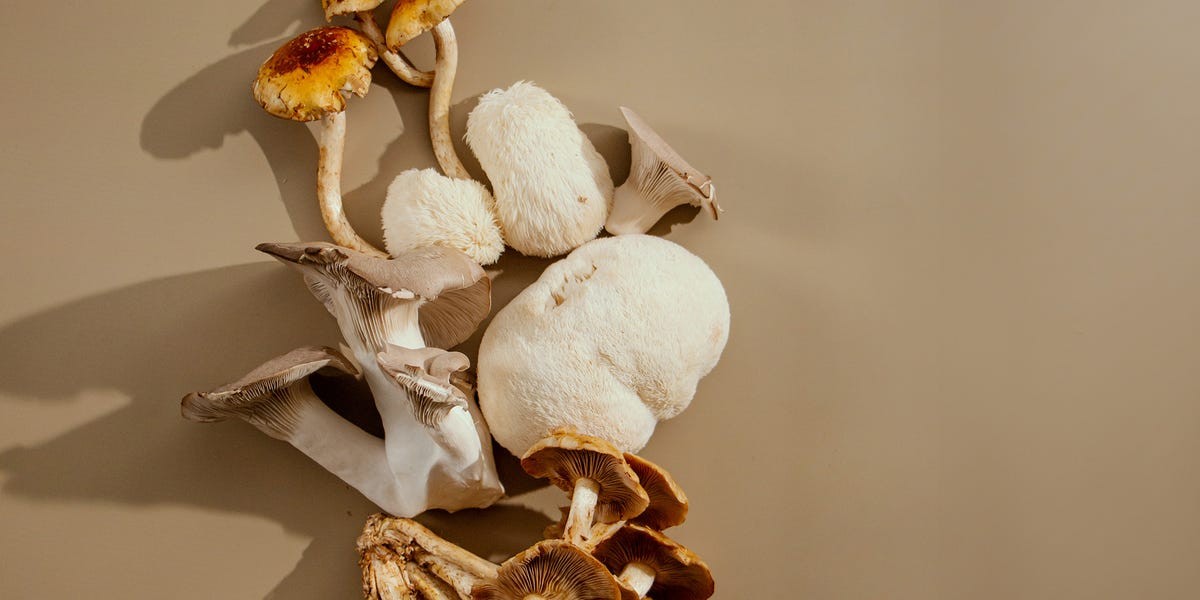
A new study has spotlighted a specific strain of maitake fungus for its potential to sharpen cognitive scores in aging populations. If you are hunting for natural ways to support brain health, the Y10M strain of hen of the woods (maitake) might be worth looking into.
The research, published in the Journal of Nutritional Science, suggests that daily consumption of this specific fungi variant could help inhibit the decline of cognitive function in healthy older adults. But it isn’t just any mushroom. It is a precise, lab-identified strain.
The Study Design and Results
The randomized controlled trial involved 47 healthy Japanese participants aged 60 to 85. Researchers split them into three distinct groups.
One group ate bread containing 50 grams of the Y10M maitake mushroom strain daily. Another group ate bread with 50 grams of the C5304 maitake strain. The third group served as a control, eating bread with no mushrooms. To mask the earthy fungal flavor, the bakers added tomato and onion powder.
Over the 18-week period, participants underwent a series of cognitive tests. The results were nuanced. Scores on standard cognitive assessments did not shift for any group. However, those consuming the Y10M strain showed significantly higher scores on the Montreal Cognitive Assessment (MoCA), particularly in the realm of memory recall.
“This study suggests that consumption of maitake maitake Y10M mushroom strain may help inhibit the decline in cognitive functions in healthy older individuals.”
The group consuming the C5304 strain saw no such boost in memory.
Why Might Maitake Mushroom Improve Memory?
The connection between Y10M and cognition appears linked to the immune system. Researchers analyzed participants’ blood for natural killer (NK) cells, which serve as the body’s first line of defense against injury and infection.
They found that Y10M consumers had increased early activation markers on these NK cells. This immune activation correlated directly with better memory test scores. The hypothesis is that the mushroom triggers an immune response that somehow supports brain function.
Maitake mushrooms contain polysaccharides, including beta-glucin, which may support immune health and, by extension, brain health. They also contain ergothioneine, an antioxidant protecting cells from oxidative stress—a key driver of age-related cognitive decline and neurodegeneration.
Is This a Superfood?
A word of caution is necessary here. Several of the study’s researchers are employed by a company that sells mushroom products. While the trial design is robust, these findings require replication in larger, independent studies before becoming dietary dogma.
Not all fungi are created equal when it comes to cognition. Lion’s Mane is another variety often cited for potential benefits regarding memory loss, though the exact mechanism remains unknown. Some experts believe maitake might work similarly, but evidence is less settled.
“Maitake mushrooms contain compounds that may support immune function, and in turn, brain health,” explains Keri Gans, RDN. “They also have ergothioneine… oxidative stress is believed to play a role
However, Dr. Clifford Segil, a neurologist, remains skeptical about declaring any single food a miracle worker. “I doubt they are a brain superfood,” he says. “Look at mushrooms as one
How to Eat Hen of the Woods Mushrooms
The study used a specific industrial formulation. You likely won’t find Y10M bread in your local supermarket. But you can incorporate maitake, often labeled as “hen of the woods,” into your diet at home.
Cooking methods matter less than you might think. “We do not know if one cooking method is better,” says Gans. The fact that the study used baked bread suggests heat doesn’t destroy the potential benefits. In fact, cooking generally makes mushrooms more digestible and may improve the bioavailability of nutrients like polyphenols and glutathione.
While maitake isn’t available everywhere, it is often stocked in well-resourced grocery stores. If you can find it, go ahead and enjoy. But keep expectations realistic.
“If you eat an otherwise
Mushrooms are nutrient-dense, providing B-vitamins, potassium, selenium, and copper. They are a healthy addition to a balanced diet. But if you ignore sleep, exercise, and stress management, no amount of fungi will fix the cognitive decline on its own.