You will be asked to brush and floss twice a day. This is the golden rule of dental hygiene. However, just because you know you “should” do something doesn’t mean it’s the right thing to do. Most people think that their everyday life is perfect. it is not.
Good oral hygiene doesn’t just prevent cavities. It keeps your teeth white. It can reduce the risk of periodontitis and cardiovascular disease. But almost every routine has hidden weaknesses. It is not a frequency. This is the tool. And the technique.
Before you throw away your existing brushes, you need to know what you’re cleaning. Your teeth are not white, hard rocks. These are complex structures consisting of four different layers.
The root anchors the tooth to the jaw. It contains the periodontal ligament and cementum.
dental pulp is an internal nerve center.
Dentin is a hard layer that protects the nerves.
Next is enamel.
Tooth enamel is the outermost shell. Polish this. This makes it white. It’s also the part taking the biggest beating. Every day, enamel suffers from acidic foods. A snack full of sugar. starchy carbohydrates. acid reflux. Tooth grinding. Nail biting. Certain medications and dry mouth wear it down.
This damage is called tooth wear. When tooth enamel weakens, erosion can begin. You may be sensitive to cold or sweet food. Teeth can look yellow because the underlying dentin is showing through. The surface may have cracks, dents or dings.
Here is the uncomfortable truth: Your toothbrush may be to blame.
How to remove plaque and enamel by brushing your teeth
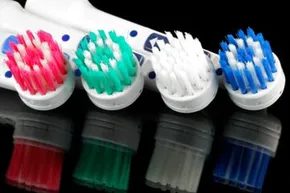
We’ve moved past chew sticks and boar bristles. We have nylon. However, a medium or stiff brush can remove more than just plaque. Tooth enamel may be lost. It can damage your gums.
The dentists agreed on one thing. Use a soft bristled brush. Stiff bristles are too aggressive for daily use. The size of the head is also important. It should fit comfortably in your mouth so that it reaches deep without twisting.
But the right tools with the wrong technique are useless.
Are you a vigorous scrubber? If you’re using your teeth like a brush against rough fabric, stop. immediately.
Proper brushing takes 2 minutes. Break it. Spend 30 seconds in each quadrant. Upper right. Upper left. Bottom right. bottom left.
Hold the brush at a 45-degree angle to the gum line. This is where plaque hides. Plaque is sticky, it is not concrete. You don’t need a lot of pressure. Even if the bristles are soft, rubbing too hard can cause damage.
Use short strokes. Move the back of the teeth up and down briefly. Here is a trick to control pressure. Hold the brush with your fingertips, not your palm. Force a lighter touch. Watch the bristles. If they bend significantly when brushing, you are using too much force.
Once the enamel is gone, it’s over. Teeth cannot regenerate. However, the remaining enamel can be strengthened by remineralization. Tooth enamel mainly consists of calcium and phosphate. Remineralization returns these minerals to the surface of the tooth. Sensitivity decreases. It fights decay.
Look for products that contain calcium phosphate or casein phosphopeptide, amorphous calcium phosphate nanocomplex (CPP-ACP). Brands like Recaldent and MI Paste are famous for this. Your own saliva can also help.
Choose a brush with soft bristles. Ease up on the pressure. Be consistent. That’s how you keep a healthy smile.
Electric toothbrushes and manual toothbrushes
Does the type of brush matter? A manual toothbrush will definitely give you the best results. However, electric brushes have advantages for long-term users. It has been shown to be more effective at removing the plaque that causes periodontal disease. It also reduces stains more effectively than manual scrubbing.
But here’s the problem. Good oral hygiene doesn’t just mean the devices in your hands.
Frequency matters. Technique matters. Whether you’re using a $5 manual brush or a $200 electric sonic, scrubbing too hard or at the wrong angle will do more harm than good.
Technology can help, but your hands are the key.
No brush is perfect. Just the right pressure. right angle. proper consistency. Most people ignore consistency. They rushed for two minutes. They push like their lives depended on it.
Why do we treat our teeth as if they are indestructible? They are not. They are delicate. They try to withstand acid, sugar and our own toothbrushes.
Start with soft bristles. Angle it right. Let the bristles do the work, not your wrists. If you notice sensitivity, use a remineralizing toothpaste instead. If you still feel like you’re missing spots, consider using a power brush.
But if the problem is yours, don’t blame the brush.
Tooth enamel slowly wears off. You might not notice the thinning until it is too late. By then, sensitivity is constant. The yellowing is deep. The risk of decay spikes.
It’s not just about having the best tools. It’s about respecting the structure. Your teeth work hard for you. They deserve a gentle touch. It is not a power wash.
It’s just a light touch.
that’s it. That’s the secret. Stop scrubbing. Start cleaning. All that remains is maintenance.