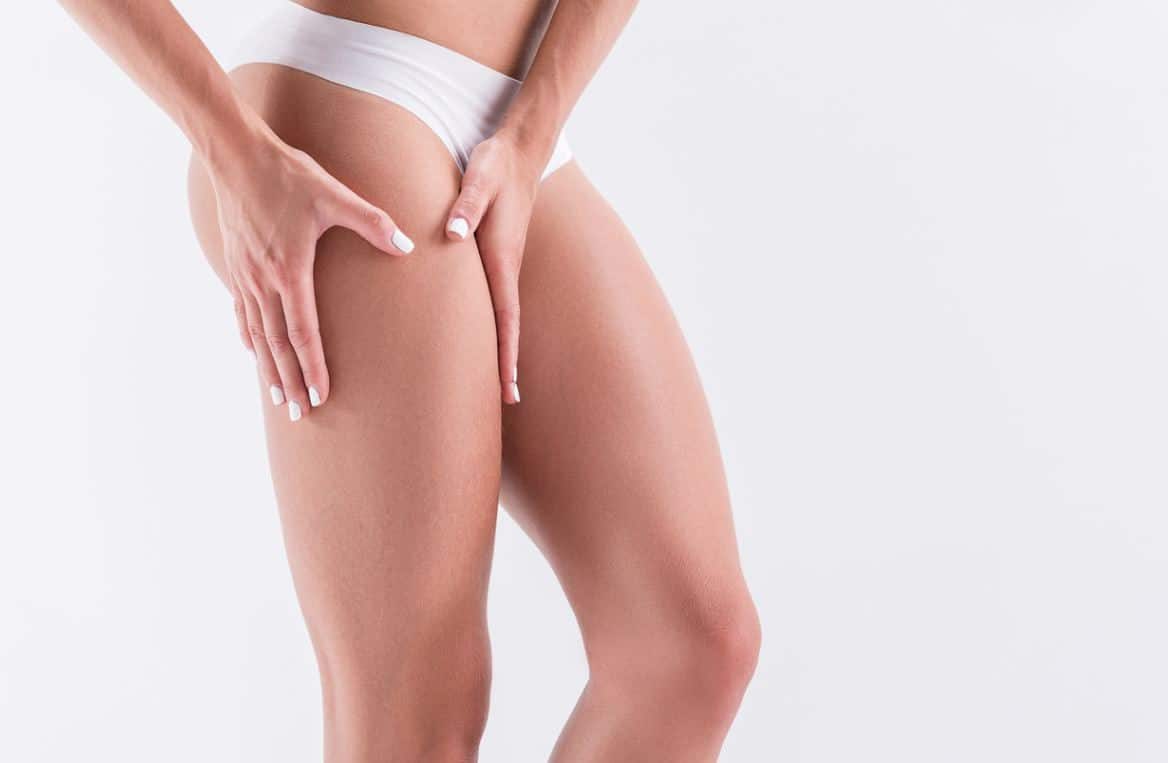
I understand how you feel. When you look in the mirror, you will notice small rough bumps. Maybe it’s on the back of the upper arm. Sometimes it is hidden behind the thighs. In rare cases, it can appear on the face. The medical term for this condition is keratosis pilaris. It sounds scary. It is not.
This situation is very common. Especially among women. Irregularities are harmless. They do not hurt. There is usually no itching. The only problem is the appearance. This is a valid concern. When you’re looking for smooth skin, no one wants bumpy skin. The good news is that it can be controlled. It can be leveled. There are some practical ways to deal with this appearance quirk without panicking.
Why do these lumps appear?
Keratosis pilaris occurs when keratin builds up and blocks hair follicles. A small plug is formed. The result is a grainy texture. It feels like the goosebumps won’t go away.
Why is this happening to you and not your friend? Genetics play a big role. If your parents had it, you likely have it too. Dry skin can make the situation even worse. This phenomenon is more likely to occur in winter because the air is dry. But this has nothing to do with unhygienic. It’s not because you don’t wash enough. It is simply how your skin processes keratin.
“Keratosis pilaris is a genetic trait. It does not indicate that you are unclean or unhealthy.”
Where do they appear?
Most women find them in three main places.
- Back of Arm: This is the most common location. I reached out to grab something, but instead it stuck to my rough skin.
- Thighs and buttocks: Here the skin is thicker. There may be noticeable unevenness.
- Face: Less common. However, if it appears on your cheek or forehead, it can be mistaken for acne.
It helps you know where to look. It is also helpful to know that these spots are not contagious. You cannot catch this from someone else. You don’t give it to them. This is just for you.
Beauty fixes: what really works?
The cause is a blocked hair follicle, so the solutions are exfoliation and moisturizing. But be careful. Rubbing too hard can make the situation worse. causes inflammation. Redness appears. In this way, the unevenness is more clearly visible.
Gentle exfoliation
Dead skin cells must be removed. However, avoid using harsh scrubs. Avoid using nut shells or coarse salt. These can tear the skin. Instead, look for chemical exfoliants.
- Salicylic Acid: Penetrates deep into pores. It dissolves the plug.
- Lactic acid: A mild alpha hydroxy acid. It exfoliates on the surface. It also has moisturizing power.
- Urea: This ingredient is a game changer. Exfoliates and moisturizes at the same time. Look for creams that contain 10-20% urea.
Humidity is non-negotiable
When the skin dries out, these keratin plugs can get stuck. Moist skin is more likely to come off. You need a good
Who really has Keratosis pilaris rubra?
It usually starts in childhood. Then comes puberty and it flares up. Many people find that they see it fade in their 30s. Rarely, the condition may continue into adulthood or return after a long break. When this happens, it is usually associated with other skin conditions. you are not alone. This is not a matter of hygiene. Your skin just produces too much keratin.
What does the rash look like?
I understand how you feel. Sandpaper skin. Dry patches. Small pimples look like permanent goosebumps. There are three main types that you need to know about:
- Keratosis pilaris rubra: This is inflamed. Redness. Irritation. It’s benign but looks angry.
- Acquired keratosis: This is not genetic in the traditional sense. It can be caused by other skin problems, such as eczema or psoriasis.
- Atrophic keratosis: This condition is rare. This can lead to clogged pores and thinning of the hair in the affected area.
Is it dangerous?
No, it doesn’t itch. It doesn’t hurt. It is not contagious. The only real result is vanity. Let’s say you look at your arms and you don’t like what you see. that’s it. The drive to fix it was purely aesthetic. And that’s valid. I want my skin to be smooth again.
Choose the right soap
Avoid using harsh body washes. These commercially available gels can damage the skin barrier. When the protective layer weakens, the accumulation of dead skin worsens. Use a mild detergent instead. surgras Look for cleansers. These are enriched with lipids. Clean without stripping.
Oil-based shower products are also a reliable option. Leaves a thin protective layer on the skin. Avoid anything with strong fragrances or sulfates. The skin needs to restore its natural moisture balance.
Not just hydrating, but moisturizing
Dry skin can make Keratosis pilaris rubra more severe. It accentuates the bumps. Deep hydration is needed. Avoid scented creams. Fragrance is just irritation waiting to happen.
Look for ingredients that can repair the barrier. Ceramides can help. Niacinamide can help. You can also try dry oils. Absorbs quickly and does not clog pores.
Jojoba oil is a top pick. Mimics your skin’s natural sebum. Argan oil also works. It contains rich in vitamin E. Apply immediately after showering while the skin is still damp. Lock in that water.
Apply essential oil
This step is controversial, but it works for many people. Essential oils soothe inflammation and reduce redness. However, you can’t just drop them only on the face and arms. They are potent.
Dilute them. Always dilute. Mix a few drops of tea tree or lavender oil with a carrier oil such as jojoba or almond oil. Tea tree has antibacterial properties. Reduces redness and swelling caused by KP. Lavender has a calming effect. Reduces the appearance of irritation.
Patch test first. Apply a small amount to the inside of the wrist. Wait 24 hours. If you don’t break out, you’ll be fine. Use sparingly. A little can make a big difference
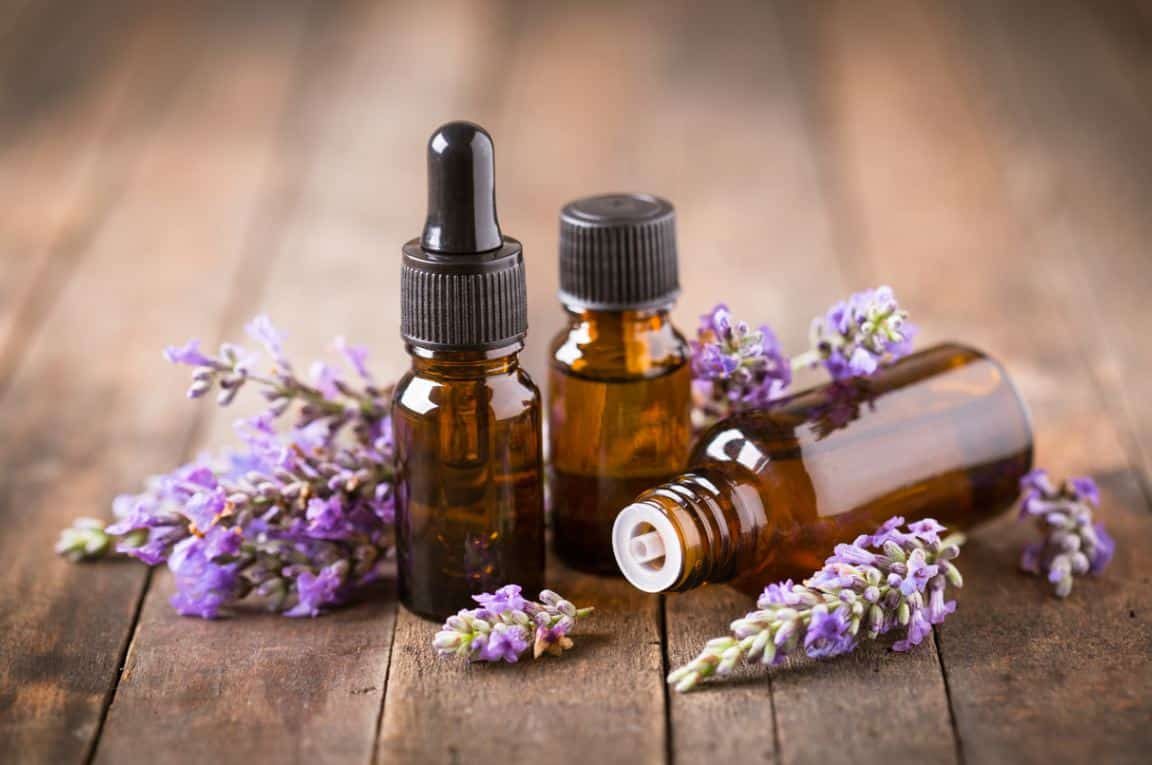
DIY antibacterial spot treatment
Certain essential oils have a strong antibacterial effect. Think tea tree and lavender. Both are potent antiseptics. You can also mix a few drops with a carrier oil such as jojoba. Apply with a cotton pad. Gently pat the affected area on your thigh.
Do not skip safety check. Essential oils are very effective. Always run a patch test first. If in doubt, consult a healthcare professional.
Weekly exfoliation routine
Dead skin cells can clog your pores. It creates a breeding ground for breakouts. Exfoliate once a week once a week. Peels can be bought. Or make your own. Mix sugar and honey. Or use coffee grounds mixed with vegetable oil. The goal is simple. It’s all about removing the dead layers. Unclogs pores.
Detox bath
Salt baths are more than just relaxation. They cleanse and purify. Sea salt works as a natural exfoliant. Removes dead skin cells. It also helps fight bacteria.
Here’s what you need to do:
– Fill the bathtub with hot water.
– Pour in one cup of sea salt. It dissolves quickly when added to running water.
– Soak for at least 15 minutes. This is the minimum time that will be for it to work.
– Add 3-5 drops of essential oil for an even better effect. Tea tree, Lavender or Peppermint are effective. Dilute them first with a fat source. It does not mix with water.
The choice of wardrobe is important
Tight clothing can make the situation worse. Jeans, leggings and synthetic tights retain heat. They create friction. Excessive use may trigger breakouts. Let your skin breathe. Choose a loose fit. Limit friction.
If you’re exercising, change immediately. Sweat on your skin can cause problems. Take a shower and change your clothes right after the workout.
Stop scraping
That’s clear. But scratches leave scars. These scars last longer than the acne itself. The temptation is real. Please resist. Do not touch the bumps. Picking them only slows healing and increases the risk of infection.
Let’s look at razors
Shaving too often can lead to acne. Give your skin a break. If you must shave, use soap or shaving cream designed for sensitive skin. There is no smell. Avoid waxing against the grain. This technique involves pushing the hair back into the hair follicle. This can cause ingrown hairs. Ingrown hairs look similar to acne.
Eat to make your skin beautiful
Bacteria love sugar. They eat it and reproduce. Reducing your sugar intake can reduce the breakout frequency. This does not mean starving yourself. It’s about making a wise choice.
Give preference to the following foods:
– vegetables. If you are sensitive to sugar, avoid pumpkin, parsnip and beetroot.
–Fruit. Avoid watermelon and dates. Banana, papaya, pineapple, mango and grapes have a moderate glycemic index. Red berries tend to have a low GI value.
– Nuts and seeds.
–Yogurt.
–Whole grains. Black bread, whole wheat bread, cereal bread.
– Oats and bran. Natural cereals and oatmeal.
–beans.
Omega-3 can also help. Reduces acne-causing molecules. Load up on:
– Avocado.
– Broccoli, spinach and radish sprouts.
– White fish, sardines, salmon and mackerel.
– herbs and spices. Basil, oregano, cloves, marjoram.
Your skin reflects your inner self. Pair topical care with internal adjustments. We’ll see where it goes.