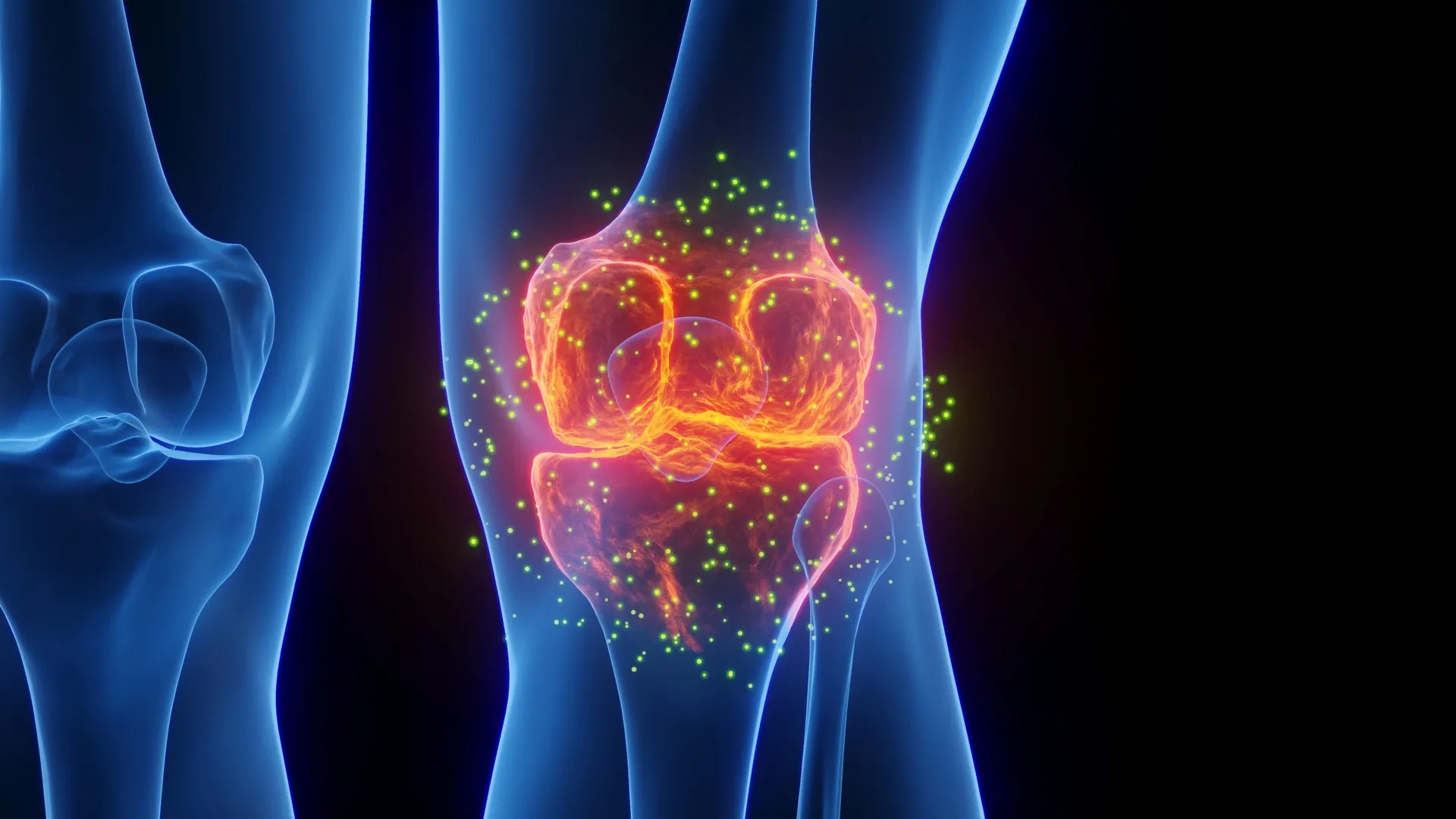
Knee replacements terrify some people. Others dread them. Cynthia Schraf-Fletcher knew this fear intimately. After complications left her shaken by her first joint replacement, the idea of subjecting her other leg to the same metal-and-plastic trauma made her hesitate. She is 74. Her knees hurt. The middle ground between painkillers and the operating room had been barren until recently.
That gap is narrowing.
Enter genicular artery embolization (GAE). For Schraf-Fletcher, the results a year post-procedure were “remarkably” successful. She says the relief matches the outcome of the total replacement on her other leg, but without the invasive aftermath. Gardening. Riding a stationary bike. Things she used to dreading are now just… things she does.
“I couldn’t be more pleased,” she says.
What actually happens?
The procedure isn’t magic, though it feels close to it. It’s an outpatient affair, usually under an hour or two. Conscious sedation. A tiny incision near the groin or knee crease. That’s it for the setup.
Leigh Casadaban, a radiologist at the University of Colorado, guides a catheter up through the femoral artery, navigating X-ray visuals like a GPS. It stops at the genicular arteries, the vessels feeding the knee. Here is the trick. The joint is inflamed. Bad blood flow makes it worse.
The doctor releases microscopic beads.
They plug the bad vessels. The blood supply to the inflammation cuts off. Swelling goes down. Pain drops. Patients go home the same day.
Casadaban calls it a “promising minimally invasive procedure” that sits squarely between failed conservative care and major surgery. Most beneficiaries have mild to moderate osteoarthritis. About 70% see their pain scores cut in half. Some get zero pain. Those patients had tried everything else. They are back to normal life.
“We really hadn’t had anything for patients in between. GAE may fill that spot.”
The technique came from Japan over a decade ago. It has been gaining ground ever since. The FDA has given “breakthrough device status” to related tools since 2021.
Does it stick around?
Pain relief can vanish fast if you’re not careful. With GAE, data suggests longevity. Early Japanese studies tracked patients for four years. One outpatient visit, years of comfort. US data is newer—only two years out so far—but it tracks the same theory. Modifying the joint’s biology works.
Casadaban is testing this rigorously. Two clinical trials are underway. One looks at knee fluid changes. The other evaluates a new device called Nexsphere-F for temporary vessel blockage. It’s all about stopping the inflammatory feed.
Is it a cure-all? No. Advanced osteoarthritis might still require metal. But for those hanging in the painful middle, this offers an exit strategy that doesn’t involve a titanium implant.
Looking beyond the knee
Knees get most of the blame, but the body has many creaky parts. Researchers are already eyeing frozen shoulders, tennis elbows, plantar fasciitis. If cutting blood flow stops pain in a knee, why not an elbow?
Schraf-Fletcher chose GAE. She chose well. Whether this becomes the standard or a niche option remains to be seen. For now, thousands of patients are skipping the surgery theater. They are planting flowers. They are pedaling. And they are mostly smiling.
It makes you wonder why it took this long.