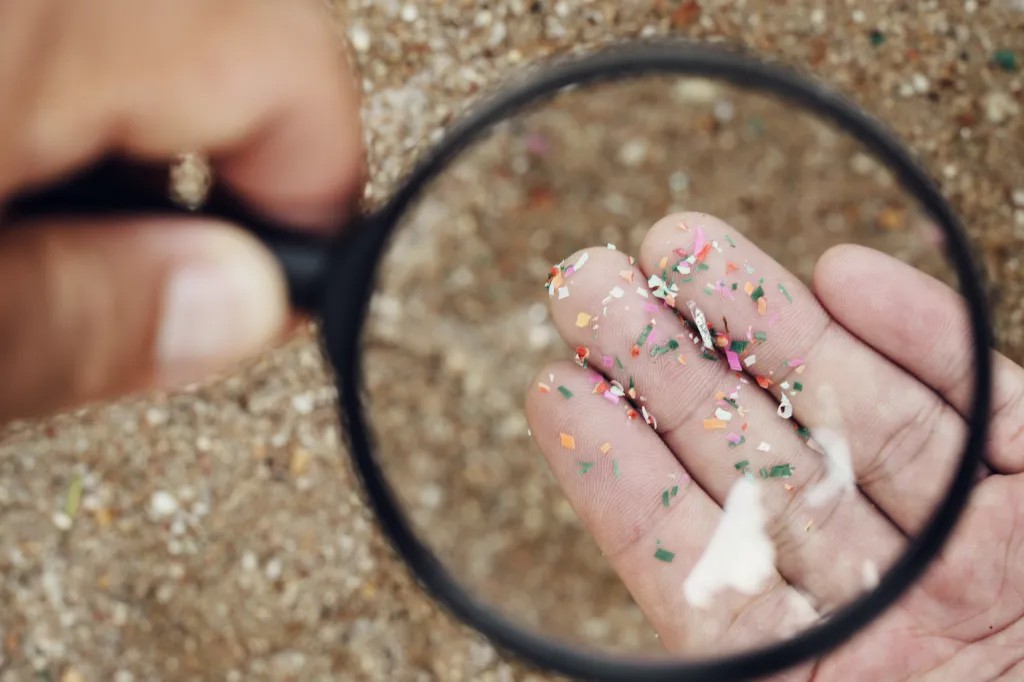
We are swimming in plastic. Or at least eating it. Microplastics have been a major health anxiety for years, finding their way into our blood, our brains, and even the very first stool of newborns. The science on their long-term effects is still messy. Linked to inflammation? Probably. Cancer? Maybe. The list of bad outcomes grows every time someone runs a study.
But now a South Korean research team suggests a solution might be fermenting right beside your left-behind takeout container. Kimchi.
It’s not magic, but the binding potential is profound.
The World Institute of Kimchi looked at a specific probiotic bacteria isolated from the stuff. In the lab. Test tubes, mostly. They threw microplastics at this strain. Eighty-seven percent gone. Impressive. Then they mimicked the harsh, acidic conditions of a human gut. The efficiency dropped to fifty-seven percent. Still better than the control strain, which crashed from eighty-five percent down to three. A clear loser.
The bacteria grabs the plastic particles inside the intestine. Holds tight. Evacuates them via stool. Sounds simple enough. Why are we not just fermenting our problems away?
Because it is just one strain. One type of bacteria. And the study never involved actual humans. Just bacteria in a dish.
Avery Zenker, a dietitian not involved in the work, puts a brake on the hype. She reminds us that laboratory bacteria do not equal a live, functioning human digestive tract. You can’t just assume that eating kimchi yields these results directly. Kimchi itself wasn’t the hero. It was a vehicle for the bacterial strain. Distinction matters.
Yet, the result remains interesting. Microplastics are tiny. Less than a micrometer. We are inhaling, swallowing, and absorbing them constantly. They show up in semen, breast milk, placenta. The ubiquity is unsettling.
If this particular bug works, it binds them. Keeps them from lingering. That is good news. Especially since fermented foods generally help gut health. Diversity. Immune support. Fermented sauerkraut, kefir, pickles. They add to the microbial mix.
Zenker says keep the skepticism, but acknowledge the promise. More research is obviously needed. We need human trials. Not just beakers.
In the meantime? Eat more fermented things. They are good for you regardless of the plastic question. Mix some kimchi into scrambled eggs. Add sauerkraut to stew. Use kefir for a smoothie. It supports the microbiome. Which affects everything from bone health to brain function.
Pair it with fiber. Garlic. Leeks. Beans. Prebiotics feed the good guys.
We are still waiting on definitive answers. Science moves slower than news cycles. But feeding your gut with diversity doesn’t hurt. Maybe the plastic clears out. Maybe it doesn’t. At least the rest of your health improves.
It’s a small win in a noisy world. Or just another thing to chew on.