Sparkling water is cheap luxury. You grab an 8-pack for $5. A single can might cost 50 cents. Yet we treat it all the same. We shouldn’t. Some of what’s on the shelf is disguised soda. Real water sits right next to it. The difference? Minerals. Source. Price.
We asked four water sommeliers to sort through the noise. Here is what they told us about what is actually in the bottle and what you should be drinking.
Not All Bubbles Are Equal
It’s easy to think all fizz is the same. It’s not. Martin Riese, a water sommelier, breaks it down into four categories. You need to know these because the marketing labels can be tricky.
- Seltzer : Just water and CO2. Milin Patel calls it “clean, crisp, and refreshing” with little to no mineral character. It’s basically filtered tap water made fizzy.
- Soda water : Seltzer plus sodium. It tastes slightly salty. Why? To cut the sweetness of cocktails. It balances flavor.
- Sparkling spring water : This comes from a natural underground source. But—and here is the catch—the carbonation is usually added after collection. The FDA requires labels to say if the CO2 was added.
- Natural sparkling mineral water : This is the big one. It comes from protected aquifers. The gas is natural. So are the minerals. Calcium, magnesium, silica. These give the water a “fingerprint,” says sommelier Anistacia Barber. It’s more expensive too. Why? Because it can only be bottled at one specific location, not in regional factories.
Check the label. If it has calories or artificial flavoring, Riese says it’s a soda. If the flavor comes from fruit? Maybe still okay. But if you want water? Stick to the clear stuff.
Does It Taste “Good”?
That depends. Like wine. If you hate bold tannins, don’t buy a heavy mineral water. Minerals dictate mouthfeel. Calcium and magnesium change how the water lands on your tongue. Some feel soft. Some dry. Some have a savory edge.
Patel notes that seltzer is lighter and more neutral. Mineral water has depth. The texture is different. Neither is better.
There is one functional perk though. A study in the Journal of the American College of Nutrition found calcium in mineral water is just as bioavailableas in milk. Good news for lactose intolerant drinkers. Another study in the European Journal of Gastroenterology & Helathy linked magnesium and sulfates to better bowel movements. So, drink up. If the bathroom schedule is erratic.
What They Actually Buy
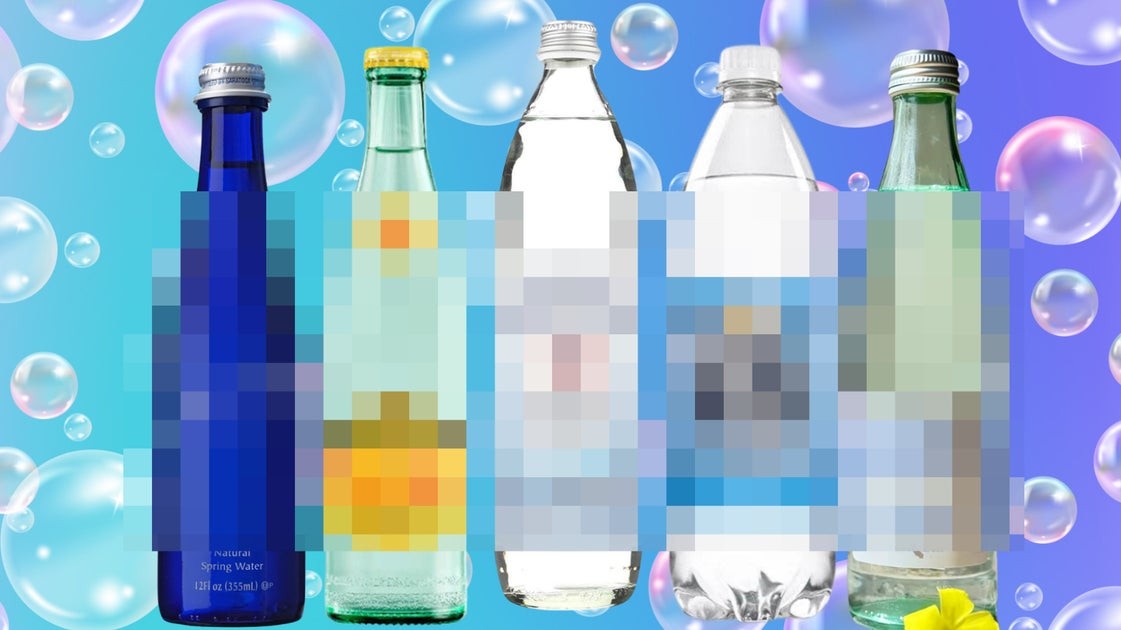
Subjectivity applies to taste. Not to price. Here are five bottles these experts pull off the grocery shelf. No added flavors.
-
Gerolsteiner
Barber likes the “rich mineral character.” Patel calls it “Mother Nature’s Red Bull.” It’s from the volcanic Eifel region in Germany. High mineral content. It has weight. It doesn’t just fizz. It has structure. If you want to taste geology, buy this. -
Topo Chico
Riese loves it. Patel admires the “sharp, lively, and persistent” bubbles. It has more presence than a standard seltzer. If you usually find carbonation too harsh or abrasive, Topo Chico might change your mind. Or confirm your hatred of carbonation. Either way, it’s distinct. -
Polar Seltzer
Looking for clean? Barber wants a crisp finish without metallic aftertastes. Since seltzer has no mineral backbone, bad filtration shows immediately. Polar passes. Patel says it’s dry and refreshing. It won’t compete with food. If you’re drinking this while eating dinner, it stays in the background. -
Adobe Mountain
Kroger’s private label? Yes. At $0.89 a bottle? Also yes. Barber recommends it for health reasons. Most waters are calcium-heavy. This one is magnesium-heavy (about 100mg per liter). That gives it an alkaline, smooth texture. It’s cheap. It’s healthy. It’s weird that people don’t know about it. -
Saratoga Spring
Patel cites “elegance.” It’s a sparkling spring water. Feels more restaurant-quality than a casual convenience store grab. If you care about presentation. This is it.
Stop Ignoring The Finish
Is your favorite water on this list? Doesn’t matter. Taste is subjective. But you can learn to taste it.
Ask yourself. Are the bubbles fine or jagged? Does it taste perfumed? Is there a finish? Or does it vanish immediately?
Once you start asking that. The drink changes. It stops being just hydration. It becomes geology. Chemistry. Culture. Pleasure in a glass.