It’s in the toothpaste. It’s in tap water. If you buy bottled water, it’s probably there too. You may have heard your dentist mention this and give encouraging recommendations to prevent cavities. But has the discussion about fluoride moved from a simple hygiene issue to something more complex?
The story begins in the 1940s. Researchers noticed a pattern. Areas that are close to natural sources of fluoride have significantly fewer cavities. The city of Grand Rapids, Michigan decided to test this theory by adding fluoride to its public water supply. The results are promising. Other states followed suit. By 1969, the practice was accepted by the World Health Organization, and countries around the world joined the movement. For decades, fluoride has been an undisputed defender of oral health.
This consensus is no longer absolute.
A silent conversation ensued. While most experts agree that fluoride prevents cavities, some researchers are investigating a possible link between high fluoride intake and osteosarcoma, a rare bone cancer. So far, no clear cause-and-effect relationship has been found. However, one side effect, dental fluorosis, is undeniable.
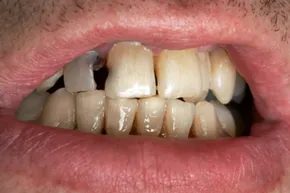
Dental fluorosis is a cosmetic condition that causes tooth discoloration and white spots. This happens when you ingest too much fluoride while teeth are forming under the gums. In other words, it only affects children. When a child turns 8, the enamel on his teeth has hardened and he is no longer at risk of fluorosis.
The Centers for Disease Control and Prevention (CDC) reports that 32 percent of American children have symptoms of dental fluorosis. The important thing here is to remember that most cases are so mild that they go unnoticed without a dentist’s magnifying glass. They don’t harm the function of the teeth. They are just minor cosmetic changes.
So how could this happen? Usually it doesn’t just come from water.
Adults and older children need 3-4 milligrams of fluoride per day. What about babies and toddlers? Only 0.5-1 mg. It’s a small window. In the United States, about 75 percent of human fluoride intake comes from water and fluoride-containing beverages such as soda and juice. Add in toothpaste, mouthwash, and the inevitable moment when your toddler swallows a pea-sized amount of peppermint gel because it tastes like fruit, and the dose adds up quickly.
“Fluorosis is a permanent condition where teeth become discolored or mottled from ingesting too much fluoride.”
The problem is not that fluoride is poison. For young children, there is little room for error. If you are doing 歯磨き with children, please apply a large amount of 歯磨き粉 to children under 3 and 3 to 6 years old.
This is a little bit of a habit. It’s not a fear, it’s actually a basis for discussion about what goes into our water and mouth.