It tastes like a five-star appetizer. It takes thirty minutes.
That’s the trick.
The sauce is the real hero here. And it’s not heavy, despite what your heart (and hips) might fear. The secret? You don’t just chop artichokes. You blend them. Specifically, half of them.
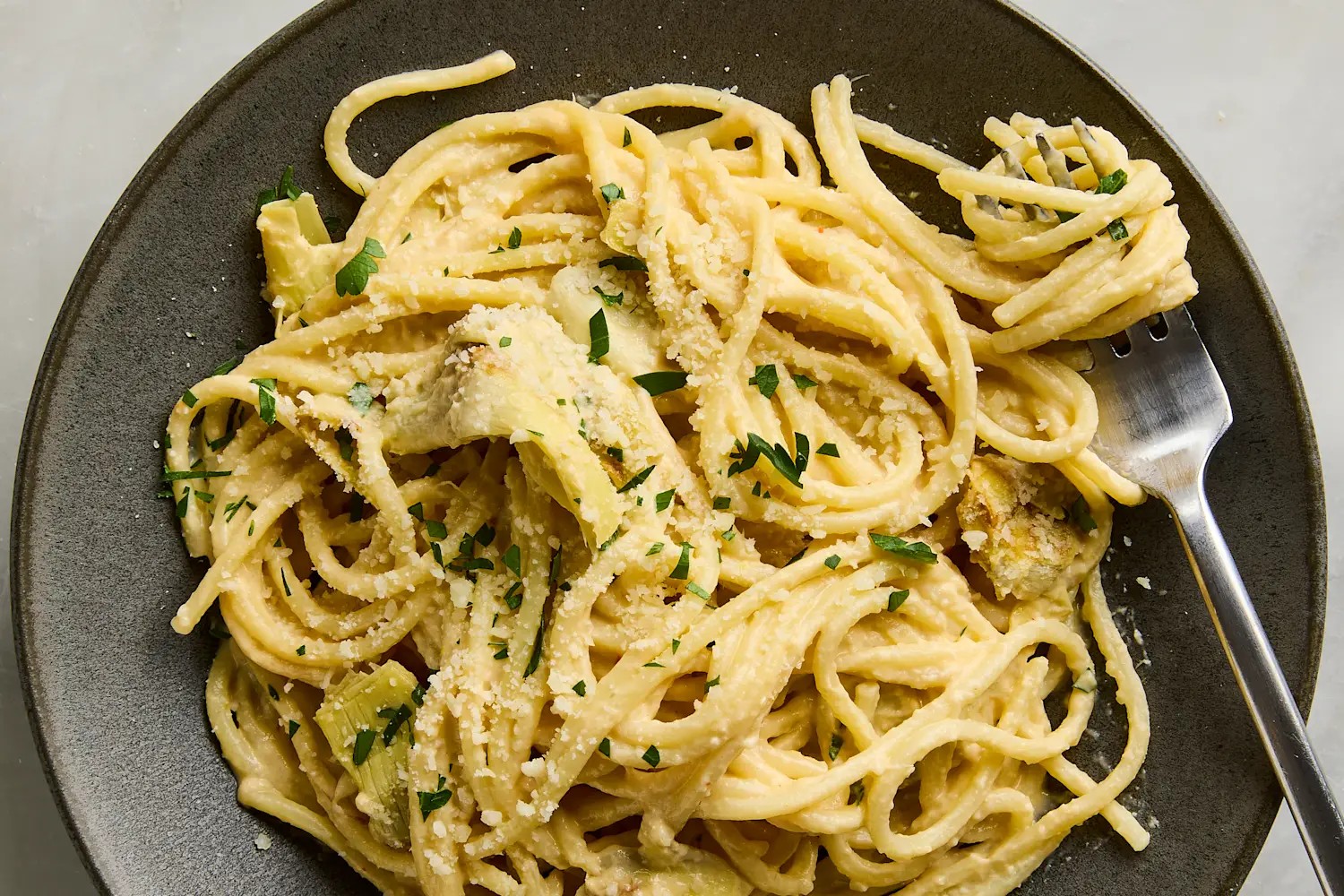
This method turns canned hearts into a luxuriously smooth, emulsified coating that clings to every strand of pasta. It’s the flavor profile of that viral restaurant-style dip, but made for your dinner plate. With lemon and Parmesan keeping it bright. Without the effort.
Why This Recipe Works (And Why You Should Trust It)
I’ve been cooking professionally for 15 years. French school. Test kitchens. High-volume catering. I know what makes a recipe actually work versus what just looks good in a photo.
This one works.
The blend of textures is key. Half the artichokes go into the blender for that creamy body. The other half get seared until golden. They get stirred back in at the end for bite.
And the ingredients? Minimal. Pantry staples. If you have canned artichoke hearts, shallots, garlic, and cream, you’re halfway done. The rest is just timing.
“The clever step of blending half of the artiches into the cream sauce ensured that every bite has artichoke flavor. Not just bits in a bowl.”
That’s what a tester noted after trying it. No more where-is-my-artichoke-heart situation. Every forkful has flavor.
Key Ingredients for the Best Creamy Artichoke Sauce
You don’t need fancy imports. You need balance.
- Canned artichoke hearts: Water-packed is fine. Drain them well. Pat them dry before searing. This step is non-negotiable for browning. If they’re wet, they steam. Steamed artichokes don’t get that savory depth.
- Shallot: Milder than onion. Sweet. Essential. Dice it finely.
- Parmesan: Grate your own. The pre-shredded stuff has anti-caking agents. They don’t melt smoothly. You want nutty, savory, thickened sauce.
- Lemon: Zest and juice. The zest hits you first. Bright. Citrusy. The juice cuts the fat later. Balance.
- Calabrian chili: Optional. But recommended. It adds heat that lingers without burning. Like red pepper flakes, but fruity.
Step-by-Step: How to Make Artichoke Pasta
1. Prep and Boil
Get water boiling. Salt it heavily. Pasta water is liquid gold for your sauce. Save two cups before you drain.
While the linguine cooks, drain the artichokes. Pat them dry with paper towels. Chop them roughly. Don’t overthink it.
2. Sear the Texture
Melt 2 tablespoons of butter in a large skillet over medium-high. Add the artichokes.
Let them sit. Don’t stir too much. You want spots of brown. 6 to 8 minutes should do it. Remove half. Set them aside. This half will give your pasta texture.
3. Build the Flavor Base
Lower the heat. Add the remaining tablespoon of butter. Drop in the shallot. Garlic. Cook until soft. 2 minutes max. Don’t burn the garlic.
Here’s where the magic happens. Transfer the shallot-garlic mix to a blender.
4. Create the Silk Sauce
Add to the blender:
* The half of artichokes you set aside? No. Add half of the brown artichokes. Wait. Let’s clarify. You browned all of them. Take half of those browned artichokes and put them in the blender.
* 1 cup heavy cream.
* Grated Parmesan.
* Lemon zest.
* Calabrian chili paste.
* 3/4 tsp kosher salt.
* 1 cup pasta water.
Blend until smooth. It should look like thick soup. Liquid gold.
5. Toss and Finish
Pour that sauce back into the skillet. Warm it up. Simmer briefly.
Drop the drained pasta into the sauce. Add the other half of the seared artichokes (the ones you saved for texture).
Toss. Vigorously. Add more pasta water if it’s too thick. You want it coating the noodles. Not pooling at the bottom.
Off the heat now. Stir in the lemon juice. Half the parsley. Taste. Need more salt? Add it. More acid? Lemon juice.
Plate it. Top with more cheese. Zest. Parsley.
Swaps and Substitutions
Don’t have linguine? Use spaghetti. Fettuccine. Bucatini. Any long noodle works for this kind of sauce. Short pasta? Maybe penne, but it won’t be as elegant.
Want protein? Shrimp cooks in minutes. Chicken breast, sliced thin. Italian sausage. Add them after searing the artichokes, or before. Just make sure they’re cooked through.
Fresh herbs? Basil. Chives. Parsley is traditional, but flexibility is your friend.
Storage and Reheating
Leftovers? Store in an airtight container. Fridge. Up to 3 or 4 days.
Reheating can be tricky. Cream sauces separate if you blast them.
Don’t microwave on high. Do it gently. Stovetop is best. Add a splash of milk, water, or cream. Heat slowly. Stir constantly. Bring it back to life.
Nutritional Snapshot
Per serving (assuming 6 servings):
* Calories: ~586
* Fat: 24.6g (high, mostly from cream and Parm)
* Carbs: 74g (fiber is solid at 10g)
* Protein: 20g
* Sodium: 524mg
Vegetarian. Pescatarian-friendly. Gluten-free only if you swap the pasta. Egg-free. Soy-free. Nut-free.
Why This Fits Your Weeknight
You want flavor. You don’t want a 20-step recipe. You don’t want to shop for 15 ingredients.
This delivers.
The blender trick eliminates the fear of chunky, uneven sauce. It’s consistent. Creamy. Rich. But the lemon keeps it from feeling like a brick. The seared artichokes add crunch.
It’s not just pasta. It’s comfort food, upgraded.
Go make it. Your pantry is already full enough. You just need to mix it right.
What’s the one ingredient you always forget when you make pasta? Salt. Always salt. Don’t skip that.