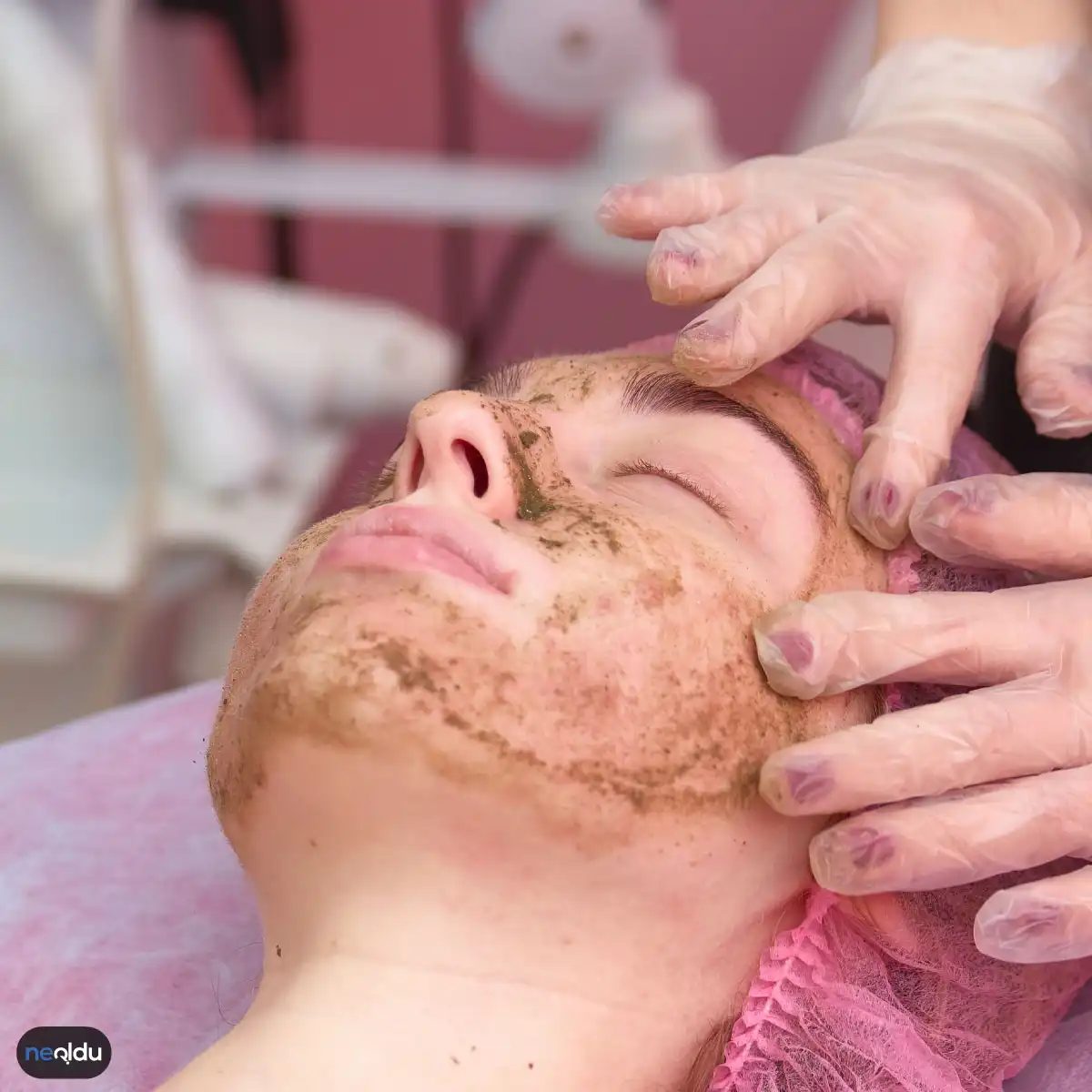
Exfoliation is the unsung hero of a glowing complexion. It strips away the dead skin cells that clog pores and leave your complexion looking dull. But there is a right way and a wrong way to do it.
The Truth About Exfoliating
So, what exactly is a skin peel? It is a process that removes the outer layer of dead cells. This reveals fresher, brighter skin underneath. The benefits go beyond just looking better. It helps with hyperpigmentation and uneven texture. It also allows other skincare products to penetrate deeper into the skin.
But here is the catch. Not all peels are created equal. Some are harsh scrubs that damage your skin barrier. Others are gentle chemical solutions that work with your skin’s biology. Choosing the wrong method can lead to redness, irritation, and long-term damage.
You need to know your skin type. And you need to understand the difference between mechanical and chemical exfoliation. One size does not fit all.
Physical vs. Chemical: How Exfoliation Actually Works
Exfoliation is simply the process of clearing away dead skin cells, excess oil, and grime to let your skin renew itself. The result? A complexion that looks healthier, more vibrant, and noticeably brighter. You can achieve this through specialized products or simple DIY mixtures found in your kitchen.
When deciding between physical and chemical exfoliation, it’s important to understand that one size does not fit all.
Mechanical Exfoliants: The Scrub Factor
Traditional scrubs rely on particles—like sugar, salt, or crushed nuts—to physically buff away debris. These are effective for immediate smoothness but carry risk. If you press too hard or use grains that are too jagged, you can create micro-tears in the skin barrier.
- Best for: Resilient, non-sensitive skin types.
- Drawback: Inconsistent pressure can lead to irritation.
- Tip: Use gentle, circular motions. Never scrub aggressively.
Chemical Exfoliants: Dissolving the Problem
Chemical exfoliators work by breaking down the “glue” holding dead cells together. This category includes Alpha Hydroxy Acids (AHAs) and Beta Hydroxy Acids (BHAs).
- AHAs (like glycolic or lactic acid): Water-soluble. They work on the surface to brighten tone and improve texture. Ideal for dry or sun-damaged skin.
- BHAs (like salicylic acid): Oil-soluble. They penetrate deeper into pores to clear out sebum. A go-to for oily or acne-prone skin.
Choosing the Right Method for Your Skin Type
If you have rosacea or extremely sensitive skin, physical scrubs might be too harsh. A low-percentage lactic acid toner could be a gentler alternative. Conversely, if you struggle with clogged pores, a salicylic acid treatment will likely serve you better than a gritty paste.
The goal isn’t to strip your skin raw. It’s to encourage turnover. Start slow. Once or twice a week is enough for most people. Watch how your skin reacts. Adjust based on redness or dryness, not on a rigid calendar.
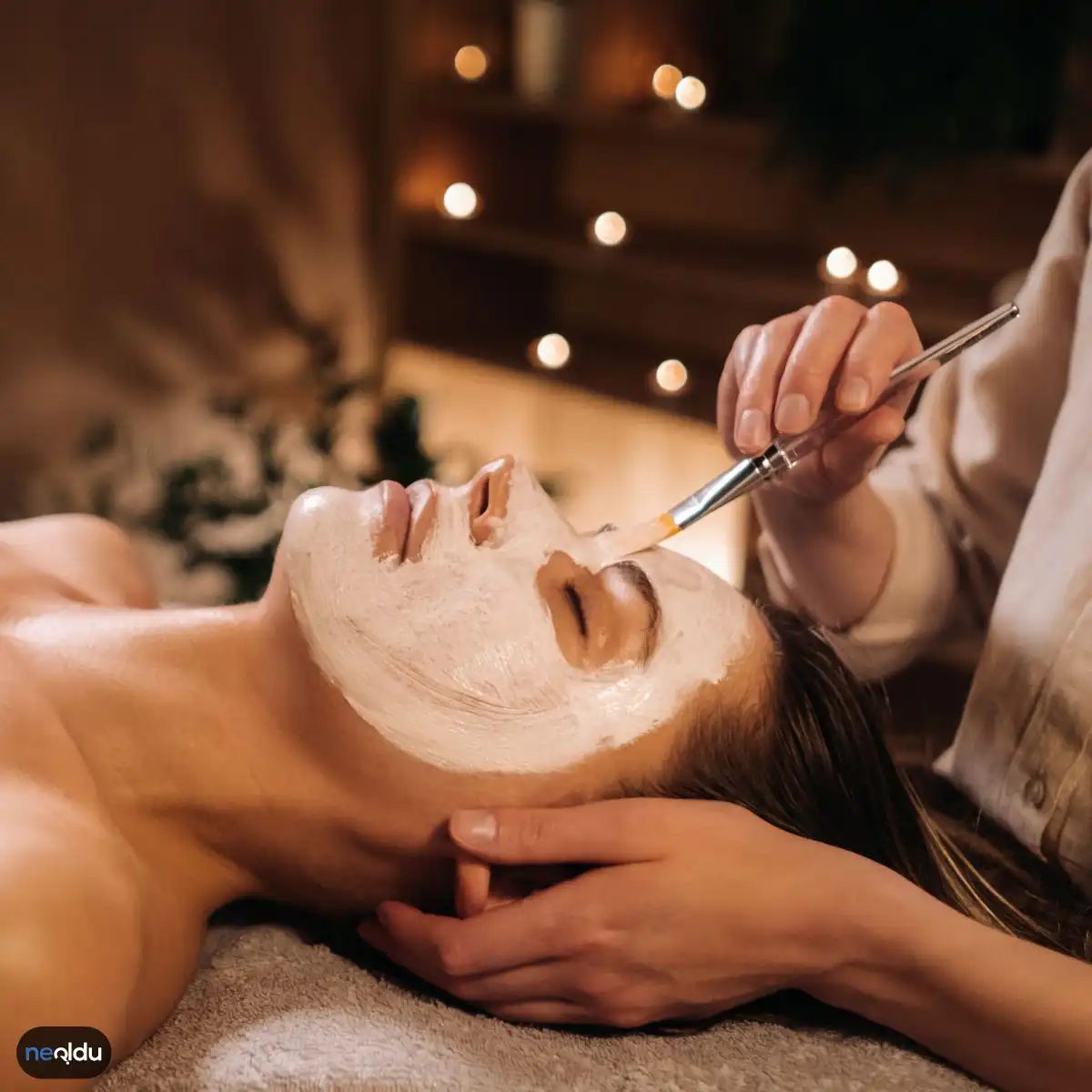

Three Ways to Shed Skin, One Wrong Way to Choose
You’ve probably scrolled past a dozen “peel” tutorials this week alone. The marketing is loud. It’s shiny. It promises that glass-skin glow in three simple steps. But before you grab that jar of apricot pits or the bottle of pure glycolic acid, pause. Not all exfoliation is created equal. And picking the wrong method for your current skin state is a fast track to irritation, not radiance.
Most beauty brands group these into three buckets. It’s a useful framework. But understanding the mechanics behind each one changes how you shop. It stops being about hype and starts being about biology.
The Acid Approach: Chemical Peeling
Let’s start with the heavy hitter. Chemical peeling uses acids to dissolve the glue holding dead skin cells together. It’s not scrubbing. It’s dissolving. This is why the results often look smoother, more uniform, than mechanical scrubs ever could.
The key here is depth. You aren’t just picking one lane. You’re choosing a level of intervention based on what your skin actually needs right now.
- Light peeling: Targets the very top layer. Think lactic acid or mild salicylic acid. Good for surface dullness.
- Medium peeling: Penetrates a bit deeper. TCA (trichloroacetic acid) or stronger glycolic solutions fall here. It tackles texture issues and hyperpigmentation.
- Deep peeling: This is serious stuff. Phenol peels. They require medical supervision. They aren’t a weekend spa treatment; they’re a procedural overhaul.
If your goal is to clear up acne or fade dark spots, this is your lane. But you have to respect the strength. A medium peel on sensitive skin is a one-way ticket to a red, stinging mess.
The Physical Scrub: Mechanical Peeling
Then there’s the brute force method. Mechanical peeling relies on friction. It uses tiny granules—think sugar, salt, crushed walnut shells—or specialized devices with bristles or sonic vibrations to physically buff away dead cells.
It feels satisfying. There’s a tactile honesty to it. You can feel the grit working. But it comes with a warning label that many beauty influencers ignore: over-scrubbing.
When you drag particles across your face, especially with pressure, you risk micro-tears in the skin barrier. It’s aggressive. It’s great for thick, resilient skin on the body (elbows, knees), but applying it to your delicate facial skin daily is a bad idea. If you choose this route, be gentle. Use a soft cloth. Let the product do the work, not your elbow grease.
The Gentle Alternative: Enzymatic Peeling
Not everyone can tolerate acids. Not everyone should be scrubbed. Enter enzymatic peeling.
This is the sophisticated middle ground. It uses natural compounds, primarily fruit enzymes like papain from papaya or bromelain from pineapple, to break down protein bonds in dead skin cells. It’s gentle. It’s non-abrasive. It doesn’t strip your barrier like strong acids might.
If you have rosacea, sensitive skin, or just want to maintain a healthy complexion without downtime, this is often the safest bet.
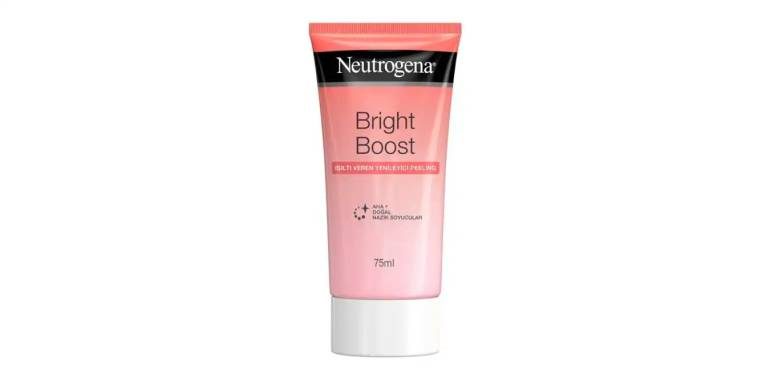

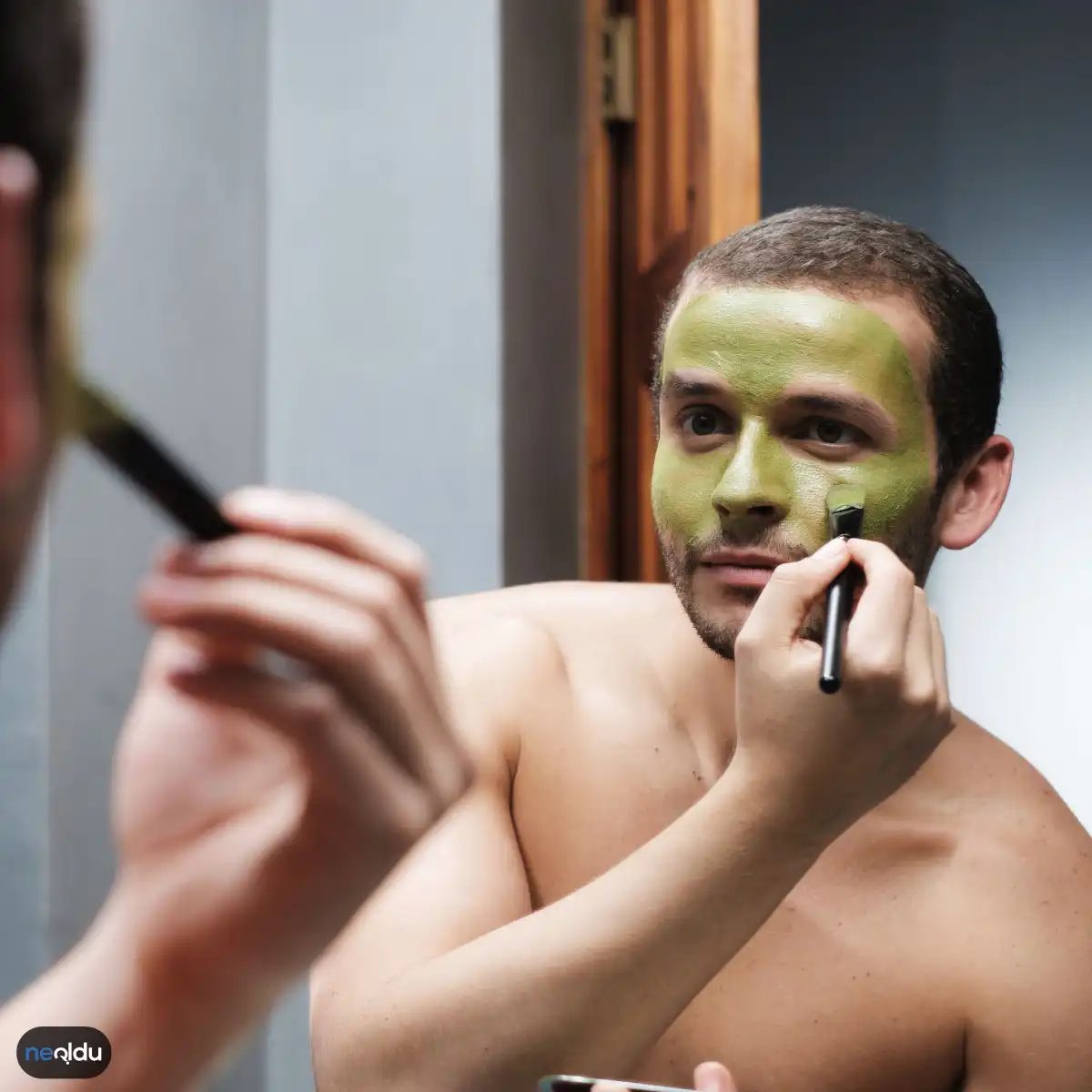
Pek çok kişi peelingi sadece bir lüks veya ekstra bakım adımı olarak görür. Oysa cildin kendi yenilenme sürecini hızlandırmak, ölü hücrelerin birikmesini önlemek ve ürünlerin daha iyi emilmesini sağlamak için bu adım neredeyse vazgeçilmez. Piyasada o kadar çok seçenek var ki, hangisinin sizin cildiniz için doğru olduğunu seçmek bazen bir bulmacadan zor olabilir. Doğru peeling ürünlerini seçmek ve doğru uygulamak, cildinizde anında fark yaratabilir.
Evde Peeling Uygulama Adımları
Peeling yapmak karmaşık bir prosedür gerektirmez, ancak doğru sırayla ve nazikçe yapılmazsa cildinizi tahriş etme riski taşır. İşte evde etkili bir peeling routine’u için izlemeniz gereken adımlar:
-
Cildi Temizleyin: Her şeyden önce, yüzünüzü nazik bir temizleyiciyle yıkayın. Makyaj kalıntıları ve gün boyu biriken kirlerin temizlenmesi, peelingin cildin derinliklerine ulaşabilmesi için şarttır. Temiz bir yüz, ürünün maksimum verimlilikle çalışmasını sağlar.
-
Ürünü Uygulayın: Seçtiğiniz peeling tipine (kimyasal, mekanik veya enzimatik) göre cildinize uygulayın. Genellikle dairesel hareketlerle nazikçe masaj yapmak, ölü hücrelerin daha kolay ayrılmasına yardımcı olur. Ancak asla cildinizi ovalamayı unutmayın; bu, hassas ciltlerde kızarıklığa neden olabilir.
-
Bekleme Süresi: Ürünün talimatlarında belirtilen süreyi bekleyin. Genellikle bu süre 5 ila 10 dakika arasında değişir. Sabırlı olun. Ürünü bekletmeden hemen durulamak, istenen sonucu elde etmenizi engeller. Cildinizin türüne göre bu süre değişebilir, bu yüzden paket üzerindeki yönergeleri dikkatlice okuyun.
-
Durulama: Peeling ürününü cildinizden ılık suyla yavaşça durulayın. Sıcak su cildi kurutabilir, soğuk su ise gözenekleri büzebilir. Ilık su, cildin doğal dengesini koruyarak tahrişi en aza indirir. Nazik olun, cildinizi ovuşturmayın.
-
Tonik ve Nemlendirici: Peeling sonrası cildiniz hassaslaşır. Gözenekleri sıkılaştırmak ve cildin pH dengesini yeniden ayarlamak için bir tonik kullanın. Ardından, cildin nem bariyerini onarmak ve beslemek için kaliteli bir nemlendirici krem sürün. Bu adım, peelingin zararlarını minimize ederken faydalarını maksimize eder.
Peelingin Faydaları Nelerdir?
Peeling yapmak sadece cildin üst tabakasını temizlemekle kalmaz.
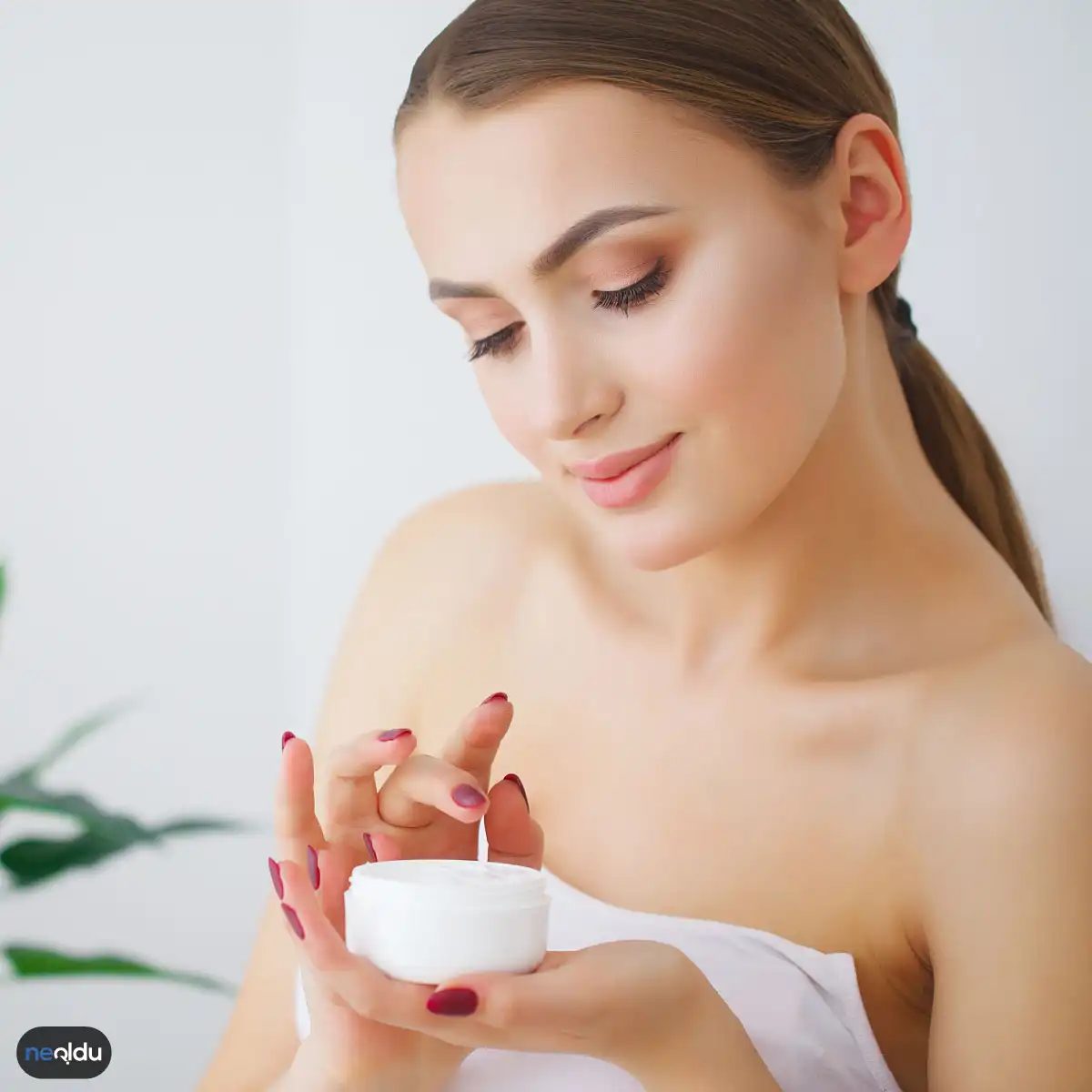
So, who actually needs this? And who should probably sit this one out?
It sounds simple. But skin is tricky. What works for one person might ruin another’s complexion.
Who is a good candidate?
If you’re dealing with dullness, peeling is your best friend. It’s the fastest way to wake up tired skin.
- Dullness: If your face looks gray or lifeless, a peel removes the dead layer. Suddenly, you look awake.
- Hyperpigmentation: Sun spots? Age spots? Post-acne marks? Peels fade these. They speed up cell turnover. That means fresh, even-toned skin shows up faster.
- Fine lines: Not deep wrinkles. But those tiny lines around the eyes and mouth? Peels soften them. They don’t erase them. But they blur the edges.
- Uneven texture: Bumpy skin? Rough patches? Peels smooth it out. You’re left with a consistent glow.
Who should avoid it?
Not everyone is ready. Or safe.
- Active breakouts: If you have inflamed acne, skip it. Peeling can irritate bacteria. It makes redness worse.
- Open wounds: Cuts? Scrapes? Don’t apply acid to broken skin. It stings. It heals poorly.
- Recent procedures: Did you get Botox or fillers last week? Wait. Ask your provider. Usually, it’s two weeks minimum.
- Extreme sensitivity: If your skin stings from moisturizer, a peel will burn. You need to build tolerance slowly.
“Listen to your skin. If it burns beyond mild tingling, wash it off immediately. Less is more.”
The middle ground
What about dry skin? Or sensitive types?
You don’t have to skip entirely. You just change the approach.
Use a lower concentration. Glycolic acid is strong. Lactic acid is gentler. It hydrates while it exfoliates.
Start small. Once a month. Not every week.
See how your skin reacts. If it feels tight or red for hours, wait longer next time.
The verdict
Peeling isn’t magic. It’s maintenance.
If you want brighter skin, clearer tone, and smoother texture, it’s worth it.
But you must be honest about your skin’s current state.
Is it calm? Ready for change?
Or is it fighting a battle you need to support, not disrupt?
Check your calendar. Check your mirror. Then decide.
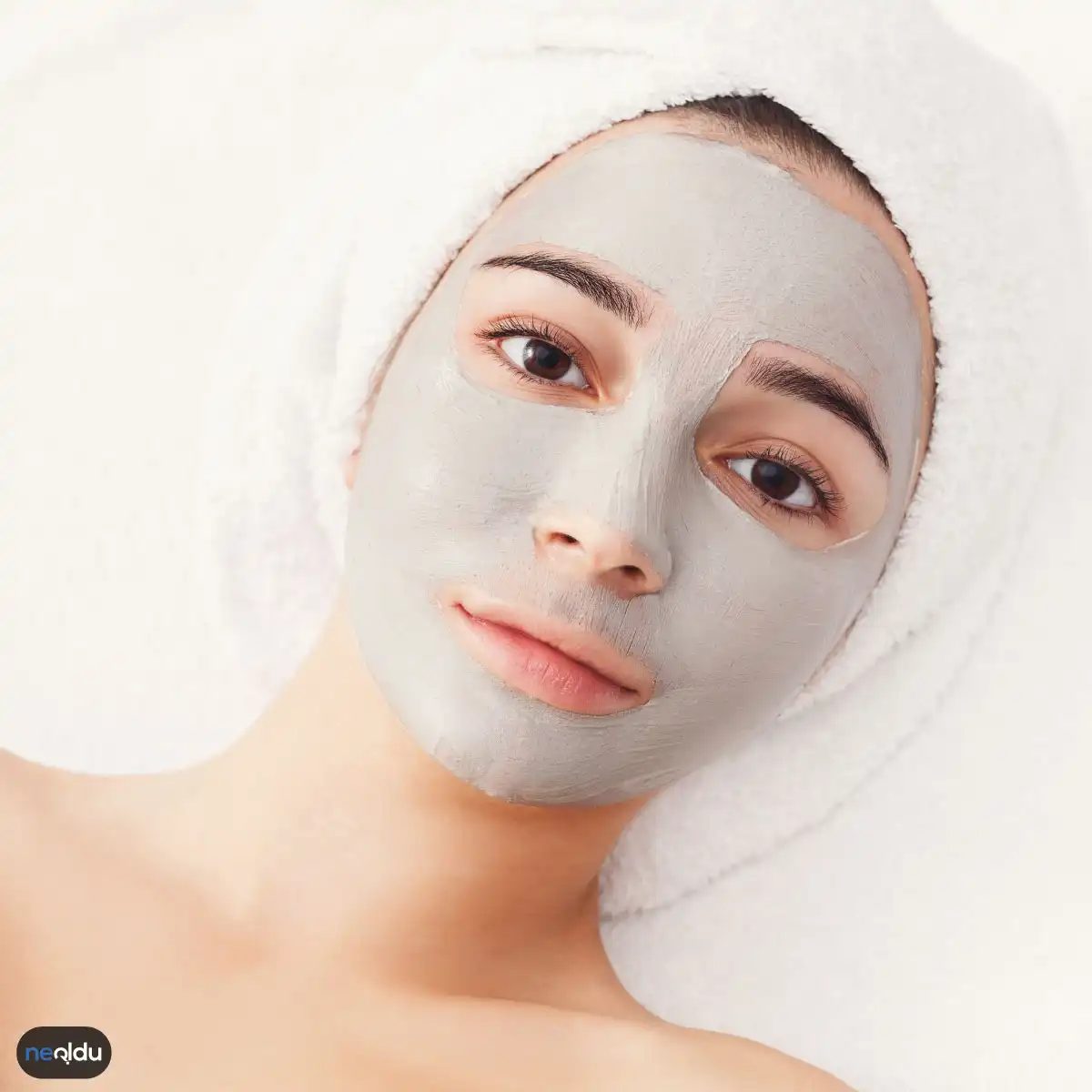
Most skin types can handle the burn. Normal, oily, dry, and combination skin usually tolerate chemical exfoliation without a second thought. But you are not the average. If your face reacts to a breeze, or if you have active dermatitis, rosacea, or eczema, do not guess.
See a dermatologist first.
Pregnant women should also pause. Certain acids can absorb into the bloodstream. Your doctor knows the risks better than you do. And if you are walking around with a fresh sunburn? Wait. Your skin barrier is already compromised. Adding acid to that is just asking for a chemical burn.
The rule is simple: if your skin is compromised, the peel must wait.
It is not about avoiding exfoliation forever. It is about timing. Let the burn heal. Let the hormones settle. Then, and only then, consider whether a peel is the right move.