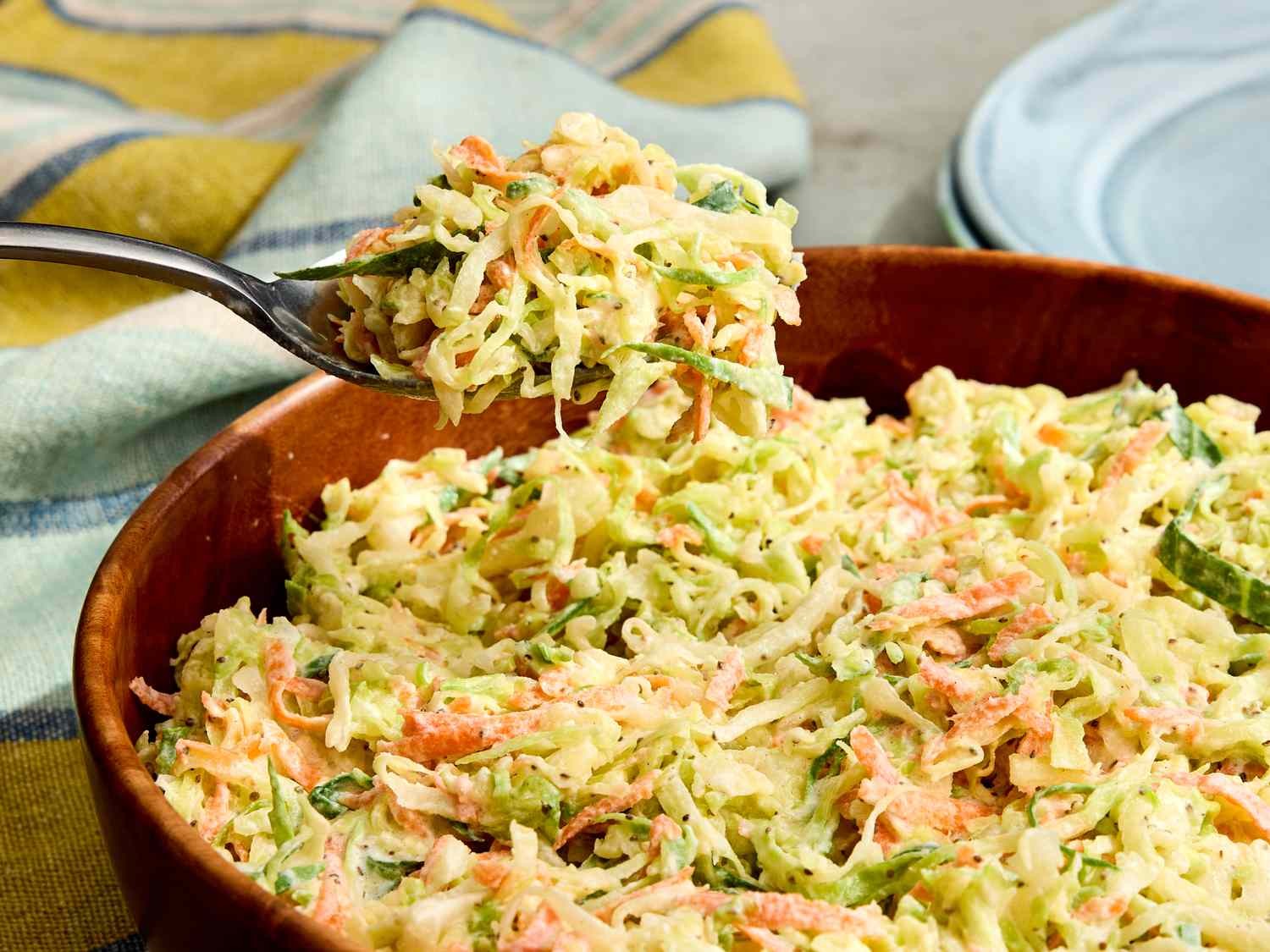
For the modern palate, coleslaw is almost synonymous with mayonnaise. However, before the mass production of shelf-stable emulsions changed the American pantry, a different tradition reigned in the Midwest: Cream Slaw.
This vintage side dish, characterized by a tangy, velvety dressing made from heavy cream and vinegar, offers a glimpse into a pre-industrial culinary era where dairy was the primary source of richness.
From Dairy Farms to Deli Shelves
The shift from cream to mayonnaise wasn’t just a change in taste; it was a result of industrial evolution. In the late 19th and early 20th centuries, recipes for “Cream Dressing” were common in American cookbooks, such as the 1877 Buckeye Cookery and Practical Housekeeping.
The decline of cream slaw coincided with the rise of mass-produced mayonnaise. Around the 1910s, entrepreneurs like Richard Hellman began focusing on the mass production of mayonnaise, providing a highly convenient, shelf-stable alternative to heavy cream, which was notoriously perishable and difficult to transport.
The Brookville Hotel: A Kansas Landmark
While much of the country moved toward mayo-based salads, a pocket of tradition remained in the American Plains. The Brookville Hotel, a historic Kansas institution founded in 1870, became a bastion for the cream slaw tradition.
Under the stewardship of the Martin family, the hotel’s restaurant became legendary. Mark Martin, a fourth-generation proprietor, noted that the restaurant served nearly 100,000 people annually at its peak. The signature fried chicken dinner—which featured the family’s cream slaw—was a staple from 1915 until the hotel’s original era ended.
“When you’re used to lighter, tangier cream slaw, the version typically served at cookouts tastes goopy and bland.” — Mark Martin
The recipe’s popularity was so enduring that the Martin family sold recipe cards for just five cents, allowing the flavor of the Brookville Hotel to travel far beyond its small-town Kansas roots.
The Science of the Cream Dressing
It may seem counterintuitive that heavy cream can replace the thick, oily texture of mayonnaise, but the process is rooted in simple culinary science.
When heavy cream is combined with vinegar, the acid causes the proteins in the cream to coagulate. This reaction thickens the liquid into a texture similar to sour cream, allowing it to cling effectively to shredded vegetables. The high fat content of the cream serves a vital functional purpose: it mellows the sharp acidity of the vinegar and balances the heat of seasonings like mustard, celery seed, and white pepper.
Modernizing a Classic
To recreate this vintage dish today while ensuring a professional result, one can apply modern techniques to the traditional flavor profile.
Key tips for a successful cream slaw include:
– Salting and Draining: Before mixing, salt the shredded cabbage and carrots and let them sit. This draws out excess moisture, ensuring the vegetables stay crisp and preventing the dressing from becoming watery.
– Texture and Balance: Incorporating grated carrots adds natural sweetness and visual texture.
– Flavor Profile: Focus on a balance of acidity (vinegar), fat (cream), and spice (celery seed and white pepper) to achieve that signature tangy finish.
Conclusion
Cream slaw represents a bridge between the agrarian past and the industrial present. While mayonnaise became the convenient standard, the enduring legacy of recipes like the Brookville Hotel’s reminds us of a lighter, more nuanced way of dressing vegetables.