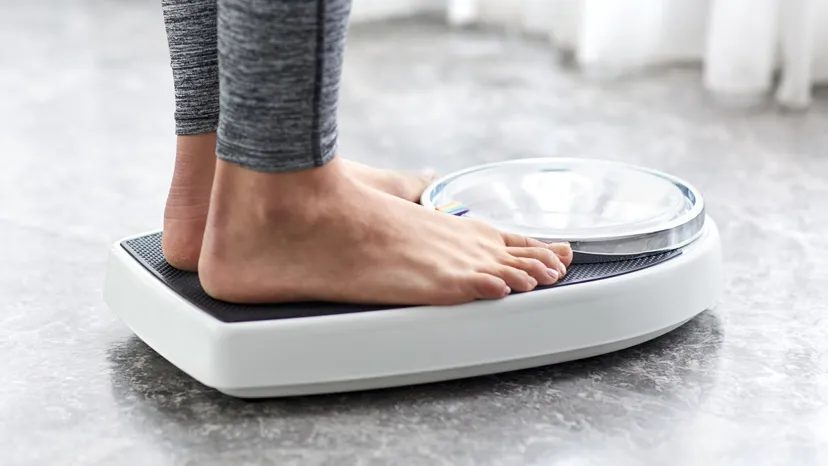
You step on the scale. You hold your breath. The numbers go up.
Panic sets in. You feel heavier. You look at the clock. It’s 6:00 AM. You haven’t eaten a thing since dinner. How is this possible?
Here is the honest truth. You haven’t gained fat. You haven’t stored a single gram of extra body mass overnight. You are seeing the physical weight of water. And water is heavy.
A gallon of water weighs eight pounds. A pint weighs one pound. In metric, one liter equals one kilogram. If you drink a 1-liter bottle of soda before bed, you are carrying an extra 2.2 pounds of weight the moment that liquid enters your system. That is a massive shift on the scale. It happens instantly. It disappears just as quickly, usually within a day.
But it’s not just about what you drink. It’s about what your body does while you sleep.
The Silent Drain: Respiration and Perspiration
While you are unconscious, your body is not idle. It is losing water through two main channels. The first is respiration. Every time you exhale, you lose moisture. Try breathing onto a cold windowpane or a mirror. You will see the fog. That is water leaving your body. You don’t notice it. You don’t feel it. But it adds up.
The second channel is transpiration through the skin. This is sweating. Even if you aren’t waking up drenched in sweat, your skin is constantly releasing moisture to regulate temperature. Over the course of a night, both respiration and perspiration eliminate a significant amount of water weight.
Then there is the morning routine. Using the restroom before you step on the scale can shed up to one pound of water. That is another rapid drop in weight. None of this is fat loss. It is simply water balance.
How Much Water Do We Actually Lose?
The average person eliminates about 1.2 liters of water in urine daily. Add to that roughly one liter lost through perspiration and respiration combined. That is 2.2 kilograms of weight fluctuation in a single day. Almost five pounds.
This explains why you may have heard the advice to drink eight glasses of water a day. Your body is constantly losing it. You need to replace it.
But let’s address the real concern. Can you actually lose weight by sleeping?
No. Getting proper sleep will not melt fat. You cannot sleep your way to a smaller waistline. However, poor sleep is a silent saboteur. Lack of rest disrupts hormones. It increases cravings for high-calorie foods. It reduces your ability to resist sugary snacks. High-quality sleep helps you avoid excess weight gain by keeping your choices in check. It is not a weight loss tool. It is a weight maintenance tool.
Sleep Position and Duration: What Matters?
If you want to optimize your rest for health, consider your posture. Sleeping on your side with a straight spine can improve sleep quality and lower the risk of sleep apnea. Apnea disrupts rest. Disrupted rest hurts metabolism.
As for duration, doctors generally recommend seven to nine hours per night. Anything less puts you at risk. Sleep deprivation is linked to poor dietary choices. It makes you hungrier. It makes you sluggish. It makes weight management harder.
So when you see that jump on the scale in the morning, do not despair. It is just water. It is just physics. Drink water. Sleep well. Eat consistently. The scale will settle back down.
The body is not a static container. It is a dynamic system. It changes. It flows. It weighs differently depending on the hour, the meal, and the night’s rest.
Does this mean the scale is a liar? No. It means you are looking at the wrong metric. Fat loss is slow. Water weight is fast. Confusing the two leads to frustration. Understand the difference. Trust the process. Watch the trends over weeks, not hours.
And what happens if you ignore sleep? You might gain weight. Not because you slept. But because you failed to fuel properly the next day. The chain reaction starts in the dark.