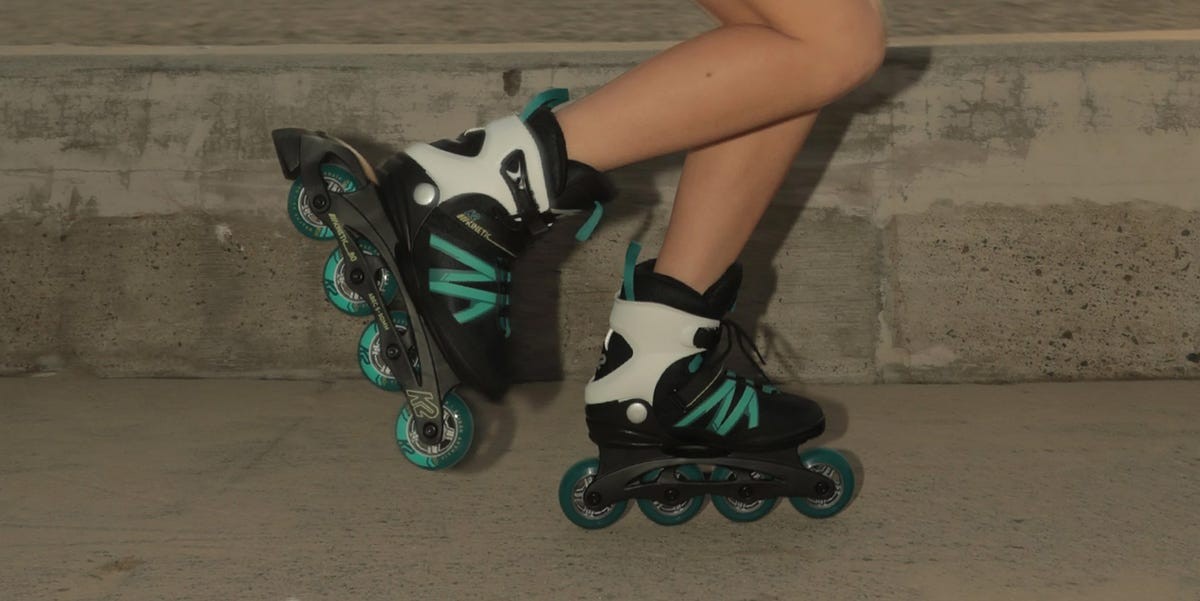
As the warmer months approach, many are looking for ways to transition their fitness routines from the gym to the outdoors. Rollerblading has emerged as a premier choice, offering a high-intensity aerobic workout that combines the thrill of gliding with the technical challenge of mastering edges and turns.
Whether you are a former ice skater transitioning to wheels or a complete beginner looking for a new hobby, selecting the right equipment is crucial for both safety and enjoyment. This guide breaks down the essential technical details you need to know before making your purchase.
Understanding the Anatomy of a Quality Skate
A high-quality inline skate is more than just a shoe with wheels; it is a precision tool. To ensure longevity and performance, focus on these three core components:
- The Boot: This is the actual shoe that holds your foot. A good boot should provide support without being overly heavy.
- The Frame (or Plate): This is the piece that attaches the wheels to the boot. The material of the frame significantly impacts the skate’s durability.
- The Wheels and Bearings: These determine how smoothly you glide and how much vibration you feel from the ground.
Expert Tip: Most professional skates are modular. Over time, you can upgrade your wheels, bearings, or even frames to adapt to different skating styles or to replace worn-out parts.
Key Technical Factors to Consider
When shopping, avoid being swayed by aesthetics alone. Instead, look at these technical specifications to ensure the skates meet your specific needs.
1. Frame Material: Durability vs. Cost
The frame is the backbone of your skate. While budget-friendly models often use plastic frames, experts warn that these are less durable and more prone to breaking under heavy use. For those planning to skate frequently, aluminum or composite frames are highly recommended for their strength and stability.
2. Wheel Configuration and Size
The number and size of your wheels will dictate your learning curve:
* For Beginners: A four-wheel setup with smaller diameters (80mm to 90mm) is ideal. Being closer to the ground provides better stability and easier maneuverability.
* For Advanced Skaters: A three-wheel setup with larger wheels (100mm to 110mm) allows for higher speeds and better performance over rougher terrain.
3. Wheel Hardness (The Durometer Scale)
Wheel hardness is measured on the Durometer A scale. This is a vital distinction depending on where you plan to skate:
* Softer Wheels (Lower Durometer): These absorb shock and provide better grip. They are the best choice for outdoor concrete or trails.
* Harder Wheels (Higher Durometer): These offer more speed and better maneuverability for tricks. They are preferred for smooth indoor rinks.
4. Weight and Comfort
In the world of skating, lighter is almost always better. Heavy, clunky skates are often a sign of low-quality construction, such as excessive molded plastic. Excessive weight can lead to fatigue and a less enjoyable experience.
Finding the Perfect Fit
A common mistake is buying skates that are too loose or too tight. Your inline skates should fit similarly to a high-quality running shoe.
- The Toe Test: There should be enough space so your toes aren’t slamming into the front, but not so much that your foot slides around inside the boot.
- The Snugness Factor: The fit should be secure to provide control, but not so tight that it restricts circulation.
- Closure Systems: While some skates use multiple buckles, too many can create uncomfortable “pressure points.” Experts suggest looking for designs that prioritize ankle support specifically, rather than excessive straps across the top of the foot.
Budgeting for Your Journey
While you can find entry-level skates for under $100, they may lack the durability required for regular street use. For a balance of safety, comfort, and longevity, experts suggest a budget between $150 and $200. Investing in this mid-range ensures you are getting reliable components that can withstand the rigors of outdoor pavement.
Summary: To choose the right skates, prioritize aluminum frames for durability, select wheel hardness based on your terrain (soft for outdoors, hard for indoors), and aim for a snug, running-shoe-like fit to ensure both safety and comfort.