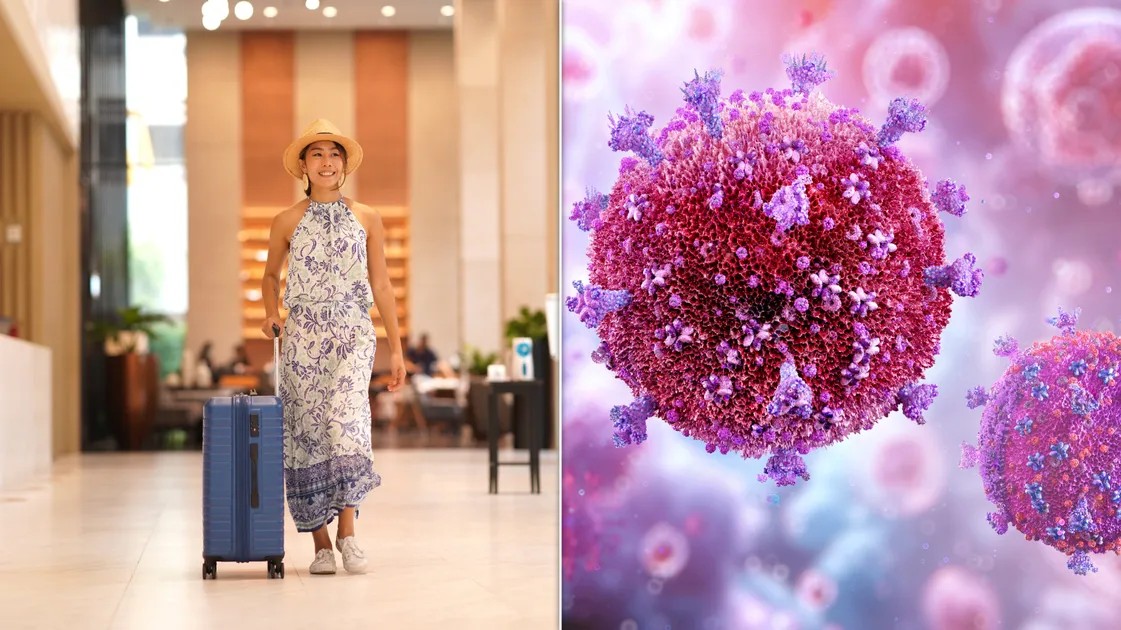
While checking into a hotel is often the gateway to relaxation, it also marks the beginning of exposure to a vast array of pathogens. Travelers frequently overlook the fact that high-traffic communal areas serve as major hubs for the transmission of bacteria and viruses.
The Invisible Threat in High-Traffic Zones
The primary issue lies in the collective hygiene habits of guests. Microbiologists note that handwashing hygiene often declines during vacations, creating a perfect environment for germs to thrive. According to microbiologist Jason Tetro, known as “The Germ Guy,” common threats include fecal bacteria and Staphylococcus .
The window of risk is surprisingly narrow but highly effective: once you touch a contaminated surface, you have approximately a four-hour window to inadvertently infect yourself by touching your face, eyes, or mouth.
The “First Floor” Problem
While many travelers worry about bed linens or bathroom cleanliness, experts point to a much more overlooked culprit: elevator buttons.
Research conducted by Mary Spitzer at the University of Arizona highlights a specific pattern in hotel lobbies. Because almost every guest must press the button for the first floor to exit the building, these buttons become the most frequently touched “fomites”—objects capable of transmitting infectious diseases.
“Everybody touches the first floor [elevator button] to get out,” warns microbiologist Chuck Gerba. “I have to knuckle elevator buttons these days, because we’ve sampled enough of them.”
Why this matters:
* Viral Longevity: Viruses like the flu and COVID-19 can survive on hard surfaces like plastic buttons for four to eight hours.
* Minimal Contact, Maximum Risk: You do not need to linger on a surface to pick up a pathogen. A single, brief press is sufficient to transfer infectious residue from a previous guest’s cough or sneeze to your skin.
Other High-Risk Surfaces to Watch
Beyond the elevator, hotel rooms contain several “high-touch” items that are frequently neglected during standard housekeeping routines. Because these items are rarely disinfected with the same rigor as linens, they pose a continuous risk:
- Remote controls and telephones
- Doorknobs and light switches
- Alarm clocks
- Ice buckets (often overlooked during cleaning)
How to Protect Yourself
Mitigating these risks requires a two-pronged approach involving both hotel management and guest behavior.
For Hotel Management
Spitzer’s research suggests that targeted cleaning is far more effective than general sweeping. Focusing disinfection efforts specifically on high-touch areas—such as refrigerator handles, credit card readers, and elevator buttons—can significantly reduce the overall viral load in a facility.
For the Traveler
Since interacting with communal surfaces is unavoidable, guests should adopt the following habits:
1. Sanitize Immediately: Use hand sanitizer right after using elevators or lobby amenities.
2. Avoid Face Contact: Be mindful of “hand-to-face” movements. Avoid touching your eyes, nose, or mouth after handling communal objects.
3. Wash Before Eating: Ensure hands are thoroughly cleaned before consuming food or snacks provided in the room.
Conclusion: While hotels provide essential comfort, their communal surfaces—particularly elevator buttons—act as major conduits for disease. Staying healthy requires a combination of more rigorous hotel disinfection protocols and disciplined personal hand hygiene.