For many, grilling, roasting, and even air frying are seen as healthier ways to cook. But emerging research suggests that these popular methods can create harmful compounds linked to serious health issues, including cancer, diabetes, and accelerated aging. The problem isn’t just deep frying; even seemingly benign techniques trigger chemical reactions that accumulate in the body over time.
The Science Behind Browning
The appealing golden color and crispy texture of cooked food come at a cost. When temperatures exceed 280°F, sugars and proteins react, forming Advanced Glycation End Products (AGEs). These compounds contribute to chronic diseases like cardiovascular problems and Type 2 diabetes.
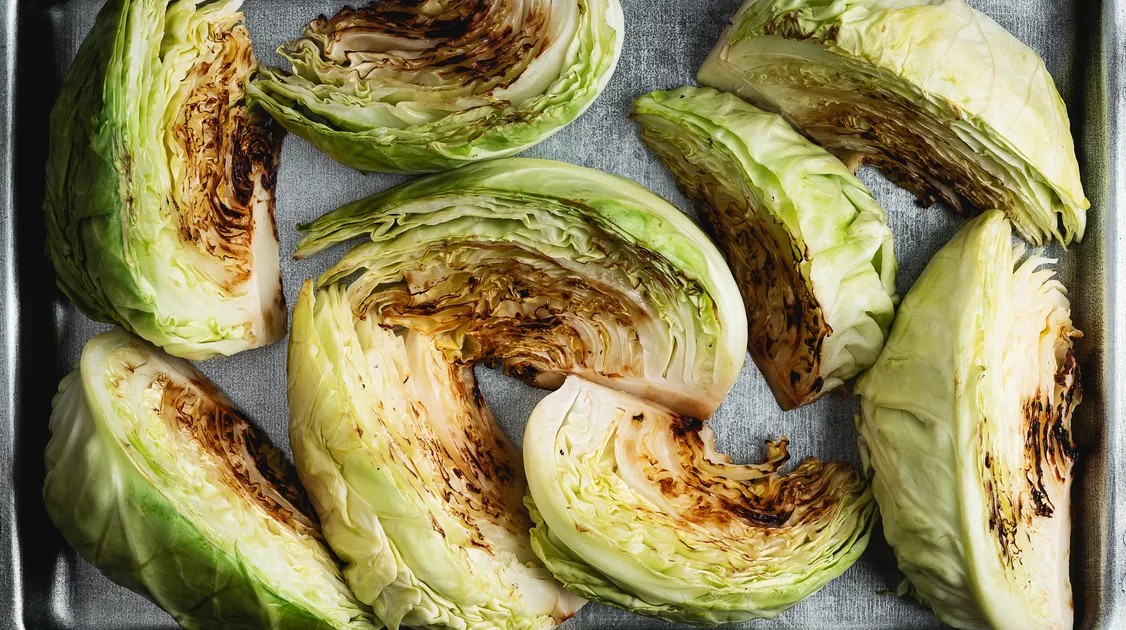
Any cooking method that browns food creates AGEs, from roasted vegetables to grilled chicken.
Grilling introduces an additional risk: when fat drips onto flames, it produces Polycyclic Aromatic Hydrocarbons (PAHs) – carcinogenic smoke that re-deposits onto the food. Studies show grilling can increase PAH exposure by three to five times. Fattier cuts worsen the problem, as they produce more smoke.
Even air fryers, often touted as a health-conscious alternative, aren’t entirely safe. They avoid the PAH issue, but still generate AGEs through browning. While better than deep frying, they aren’t risk-free.
What You Cook Matters Just as Much
The risk isn’t just how you cook, but what you cook. Grilled or charred animal protein, especially processed meats and red meat, produces the highest levels of carcinogens. Chicken and fish are safer choices, though not immune to the effects.
Vegetables also produce AGEs when roasted at high temperatures, but in far smaller quantities than meat. Cooking meat at high heat every other day increases Type 2 diabetes risk by 28% compared to cooking it once a week, highlighting the impact of frequency.
Don’t Panic: It’s About Long-Term Habits
The research doesn’t mean occasional grilling will cause cancer. Cancer risk stems from cumulative exposure over years, not isolated meals. The real danger lies in combining high-heat cooking with frequent red/processed meat consumption, excessive charring, and a diet already rich in processed foods.
Simple Steps to Reduce Your Risk
Fortunately, small changes can significantly lower exposure:
- Marinate: Acidic marinades (vinegar, lemon juice, wine, yogurt) reduce AGE formation. Avoid high-sugar sauces, which worsen the reaction.
- Reduce Heat & Time: Shorter cooking times and avoiding excessive charring minimize exposure. Cut meat into smaller pieces for faster, safer cooking.
- Precook: Microwaving food briefly before grilling reduces the time it spends over flames.
- Choose Alternatives: Gentler methods like braising, steaming, poaching, stewing, and microwaving minimize harmful compounds.
Choosing vegetables, fish, or chicken over red meat, skipping processed meats, and trimming visible fat further reduce risk.
The key isn’t eliminating grilling entirely, but adapting your habits. Cooking smarter – not harder – is the path to enjoying flavorful meals without compromising long-term health.