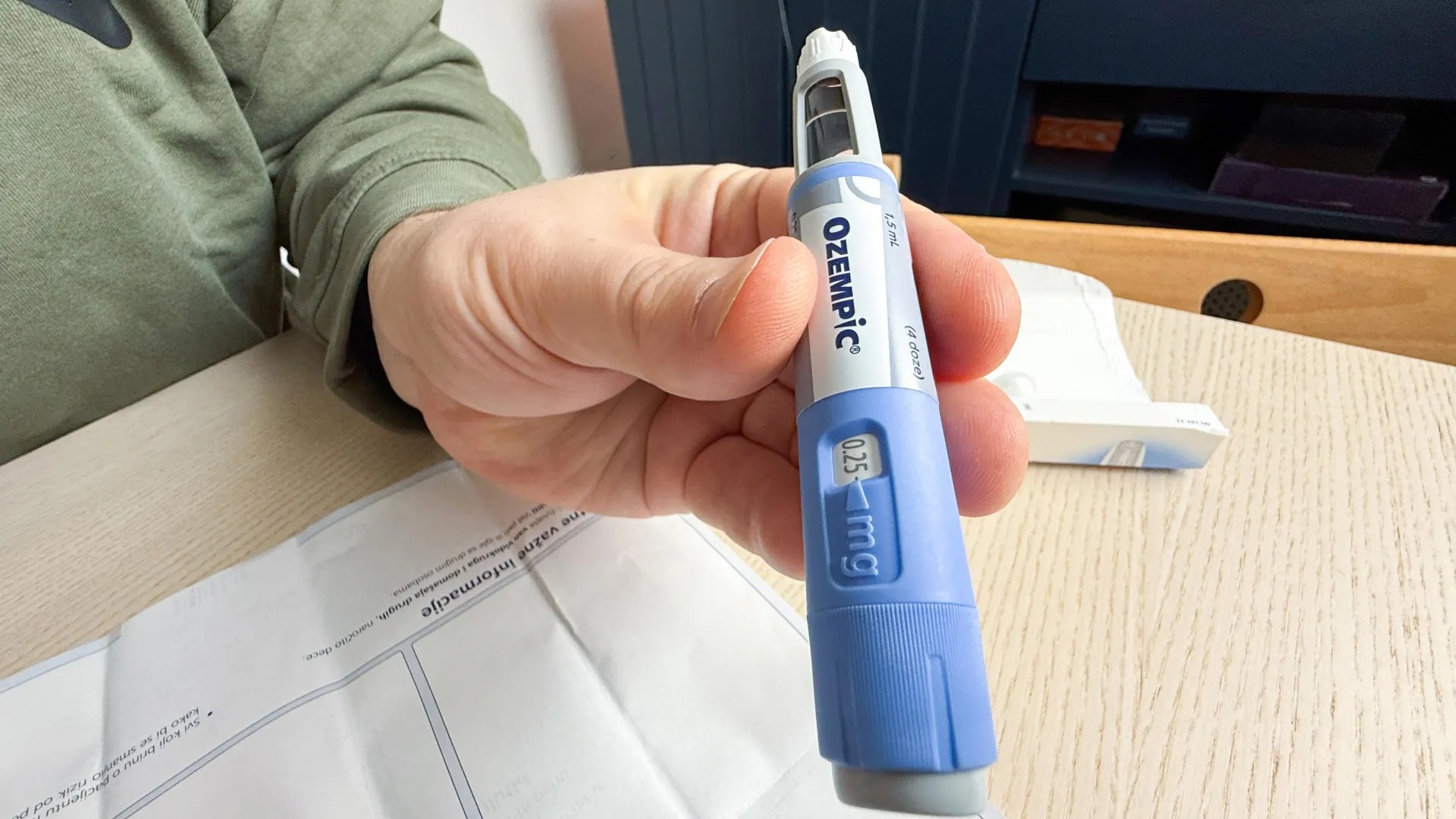
A new study suggests GLP-1 drugs don’t just shrink waists. They might shrink the chances of developing breast cancer too.
Researchers presented data at the 2026 ASCO Annual Meeting showing women on these meds had about a 30% lower risk compared to non-users.
The findings landed in JCO Oncology Practice. Big deal for a digital age where we treat drugs as lifestyle accessories. But the numbers are stubbornly interesting.
Elizabeth McDonald, MD, PhD, runs the lab at Penn. She’s blunt about the limitations.
“It does add to the growing body of suggesting that it’s worth investigating…”
Observational study. No definitive cause-and-effect proven. Yet.
How They Work (And Why Scientists Are Baffled)
GLP-1s mimic a gut hormone.
Semaglutide (Ozempic/Wegovy). Tirzepatide (Mounjaro/Zepbound). They started as diabetes tools. Now they are the main event in the weight loss game.
The original goal? Appetite control. Blood sugar regulation.
Nobody planned on anti-cancer benefits.
Or so they thought.
Several studies have hinted at this. Observational only, of course. Which means correlation. Not causation. Researchers hate saying it doesn’t work until it works. But they also refuse to say it does. So we wait for big clinical trials. McDonald’s team is building one now. For high-risk women. Some with a cancer history.
“GLP-1 medications didn’t designed for therapy,” McDonald notes. “But they hit multiple pathways.”
111,000 Women. 30% Lower Odds.
The sample size is massive.
Penn Medicine records from 2022 to 2025 yielded data on 111,647 women aged 45-80 with a BMI over 25.
- GLP-1 users: 15,269
- Non-users: 96,377
Two ways to look at it. Both gave similar results.
First, the raw pool. Users showed 35% lower odds of diagnosis.
Second, a matched group of 30k+ women. Same age, same BMI, same race. Controlled variables. The drop was 30%.
It holds up. Mostly.
Flaws exist.
They didn’t track duration. Genetics were blurred. Tumor subtypes ignored. They lumped all drugs together. Did you take Ozempic for a year or five? Does it matter? Probably. But we don’t know yet.
The Inflammation Factor
Why does losing weight help breast cancer risk?
Excess fat tissue, especially after menopause, produces inflammation. That inflammation fuels cancer cells. It is a slow burn. Chronic, low-grade.
GLP-1 drugs cool that fire.
But it isn’t just weight.
These meds tweak metabolism. They touch epigenetic switches that control gene activity. Biology is messy. And these drugs mess with more than just your stomach.
Is it the weight? Yes.
Is it the mechanism? Maybe.
Better Options Than Mastectomy
Prevention choices right now are… sparse.
Screening. Genetics tests. High-risk women often face surgery. Or Tamoxifen.
Tamoxifen works but side effects keep many away. It’s a pill, yes. But it feels like a trade-off no one wants.
GLP-1s?
Millions already take them. The infrastructure is there. The demand is there.
“We want to find better options.”
McDonald says survival rates have climbed. That is good. We’d rather prevent it than treat it. The gap is wide.
Will this lead to new guidelines? Probably not today.
Will researchers keep digging? Yes.
Because cancer hates complexity. And right now, GLP-1s are complicated enough to scare it straight. Maybe.
Wait for the trial results. Or just watch your waistline.
Study funded by American College of Radiology and Pennsylvania Breast Cancer Coalition.