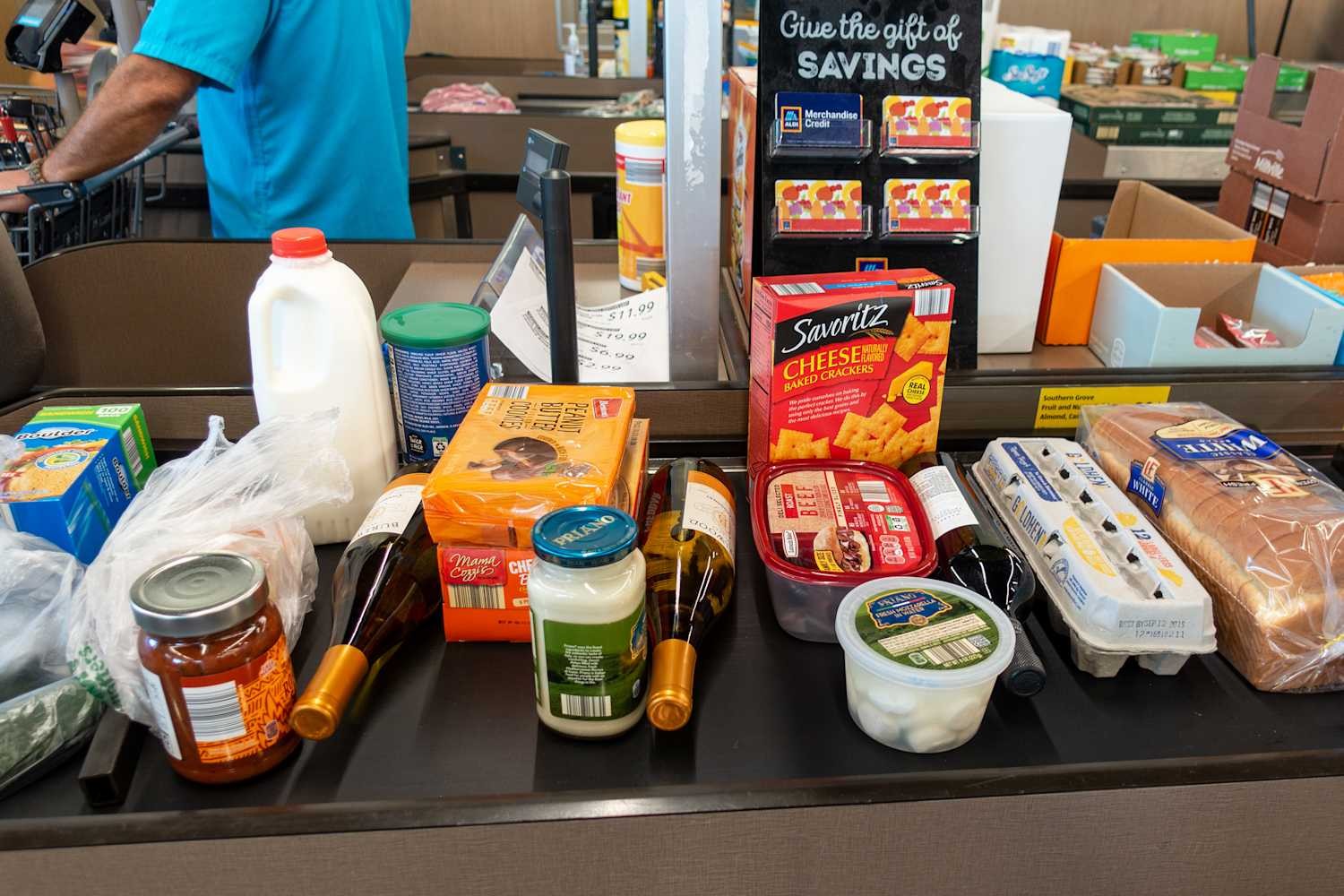
Many shoppers find themselves overspending on groceries due to impulse purchases and lack of planning. One effective solution is a strict budget cap: a hard stop at $50 per grocery trip. This method forces consumers to prioritize essentials, eliminate unnecessary items, and reduce food waste.
The Problem: Uncontrolled Grocery Spending
For many households, grocery shopping quickly escalates beyond initial intentions. A simple trip for three items can easily result in a $100+ bill due to tempting but ultimately unnecessary purchases. This “cart creep” drains budgets and contributes to wasted food.
The Solution: The $50 Hard Stop
The $50 hard stop involves creating a strict grocery list of only the most essential items for the week. Anything not on the list is deferred to the next shopping trip. This eliminates impulse buys and forces shoppers to focus on needs rather than wants.
Implementation and Early Challenges
Initially, adopting this method requires discipline. Shoppers unfamiliar with detailed grocery lists must commit to planning and resisting in-store temptations. The first few weeks may be difficult as the habit of spontaneous purchases is broken.
Long-Term Benefits: Savings and Efficiency
After a few weeks, the process becomes easier. Maintaining a running grocery list and resisting impulse buys become second nature. The result is significant savings, typically $100-$150 per month, and reduced food waste.
Shifting Mindset for Lasting Results
The key to success is a mindset shift. Instead of viewing grocery shopping as a browsing experience, it becomes a focused mission. This approach not only saves money but also speeds up shopping trips, freeing up valuable time.
The $50 hard stop is a simple yet effective strategy for regaining control over grocery spending. With discipline and planning, households can drastically reduce their bills and improve their financial health.