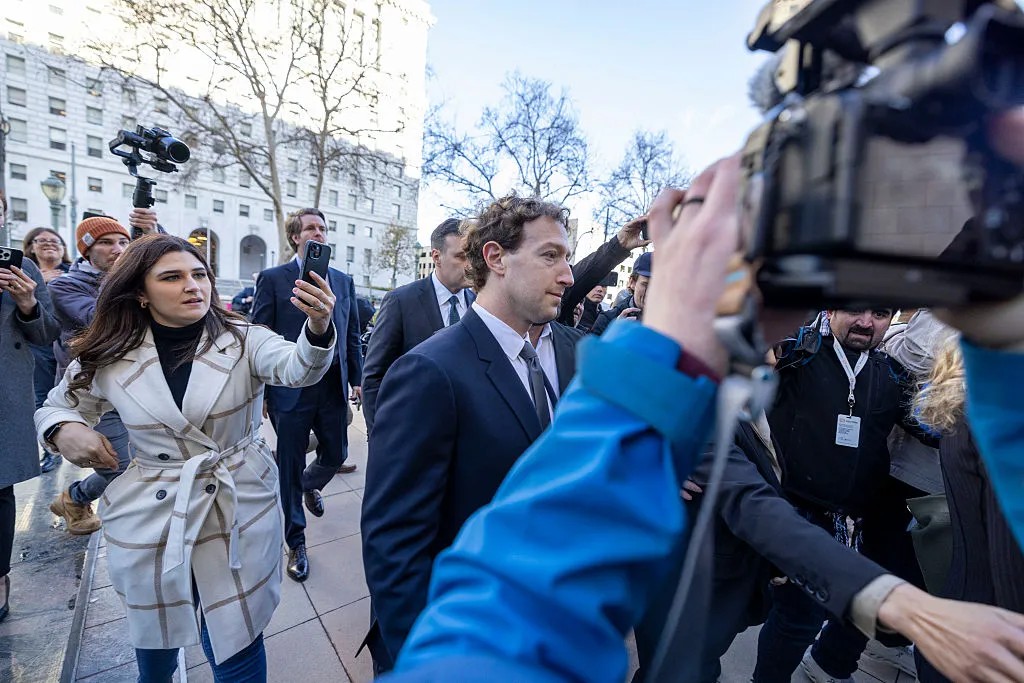
Recent court rulings against Meta, finding the company liable for hooking children and damaging their mental health, have drawn widespread applause. However, beneath the celebratory surface, a growing chorus of concern is emerging – not from Big Tech defenders, but from those deeply committed to protecting free speech. The legal precedent these cases set isn’t just about holding social media accountable; it’s about redefining the boundaries of online expression and liability in ways that could stifle open communication.
The Core of the Debate: Speech vs. Substance
Critics argue that framing social media platforms as equivalent to addictive substances – like cigarettes or alcohol – is a dangerous oversimplification. As The New York Times opinion columnist David French points out, a social media site delivers speech, not a drug. While harmful content certainly exists, equating platforms to illicit substances opens the door to aggressive regulation that could curtail free expression.
The key distinction lies in how these platforms are being targeted. Instead of suing over user-generated content, plaintiff lawyers are focusing on the design elements themselves: infinite scroll, autoplay, algorithmic recommendations. The argument is that these features are inherently addictive and harmful, regardless of the content they serve. This strategy, as explained by tech reporter Taylor Lorenz, is a “moral panic” that obscures a more insidious goal.
Section 230 and the Weaponization of Lawsuits
At the heart of the issue is Section 230 of the Communications Decency Act, which protects websites from being held liable for user-posted content. Critics fear that these lawsuits are circumventing this protection by targeting the platform’s design, effectively shifting blame from individual users to the company itself.
As Mike Masnick of Tech Dirt warns, this approach won’t remain confined to Meta. The legal theories used in these cases can be weaponized against any platform, big or small, threatening the future of the open internet. Marginalized communities, activists, and creators who rely on these platforms for connection and expression will bear the brunt of these changes.
The Slippery Slope: Censorship and Control
Lorenz highlights a critical point: blocking content is now being framed as a matter of child safety, but it easily escalates into broader censorship. Conservative and activist groups already have agendas for what content should be restricted – LGBTQ issues, criticism of capitalism, and even political dissent. The precedent set by these trials could empower governments and powerful interests to dictate what speech is permissible online.
“The legal precedent being set is terrifying,” Lorenz writes. “It’s about the content… because if you replace every single piece of content on Instagram with a black square, is that product addicting? No.”
The Future of the Internet: Blandness and Control
Masnick concludes that while Meta and Google will likely survive, they will adapt by making their platforms blander, less useful, and more heavily controlled. The real losers will be the users who depend on these platforms for connection, expression, and community. This shift towards blandness and control is not just a loss for individual users; it’s a step towards a less open, less vibrant, and less democratic internet.
Ultimately, the Meta lawsuits raise uncomfortable questions about the balance between protecting children and preserving free speech. The long-term consequences of these decisions extend far beyond the courtroom, threatening the very foundations of online expression.