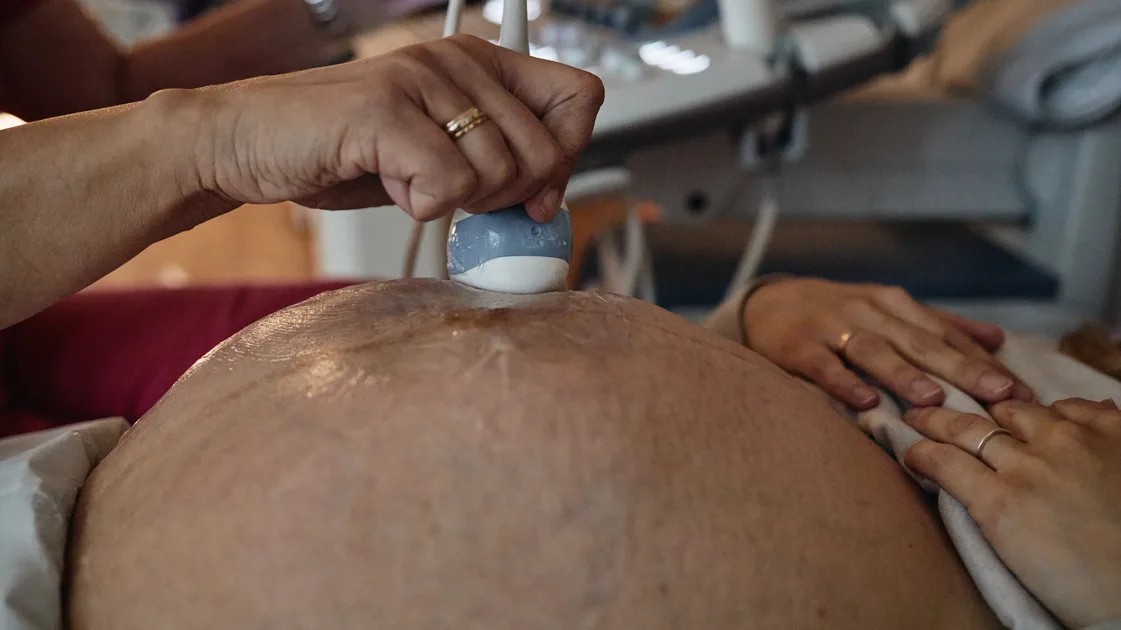
The silence in a labor and delivery room is broken only by the frantic search for a fetal heartbeat. When a seasoned nurse asks for an ultrasound, it signals a grim reality: the baby may not be alive. The attending physician and I scan repeatedly, desperately hoping for a mistake, but sometimes there is no heartbeat. The mother’s scream is a sound no medical professional ever forgets.
The core issue is clear: fear of Immigration and Customs Enforcement (ICE) is preventing pregnant individuals from seeking critical prenatal care. A recent poll reveals that 20% of respondents have avoided medical appointments due to ICE activity. This isn’t theoretical; patients are showing up in labor after months without checkups, and maternal-fetal medicine departments report record-high no-show rates for ultrasounds.
This matters because consistent prenatal care is directly linked to preventing stillbirths, premature births, and infant deaths. A study of over 25 million births proves this: less care equals higher mortality rates. ICE’s actions force a horrifying choice: attend appointments and risk family separation, or stay home and risk complications that could kill the baby, the mother, or both.
The impact extends beyond obstetrics. Patients with chronic conditions are also skipping appointments, jeopardizing their long-term health. Operation “Charlotte’s Web,” a recent Border Patrol campaign, has left lasting damage, with patients avoiding care months after the raids. The terror is real, and it’s fracturing families and eroding trust in healthcare systems.
This isn’t just a medical problem; it’s a humanitarian crisis. Immigration enforcement policies are forcing impossible decisions on individuals who deserve dignity and the right to seek care without fear. The human cost is visible daily in clinics and delivery rooms, where preventable tragedies unfold because of policy-driven terror.
The situation demands immediate attention. Families need to be able to access healthcare without risking separation, and institutions need to address the climate of fear that is driving patients away.
The consequences are clear: inaction will result in more preventable deaths.