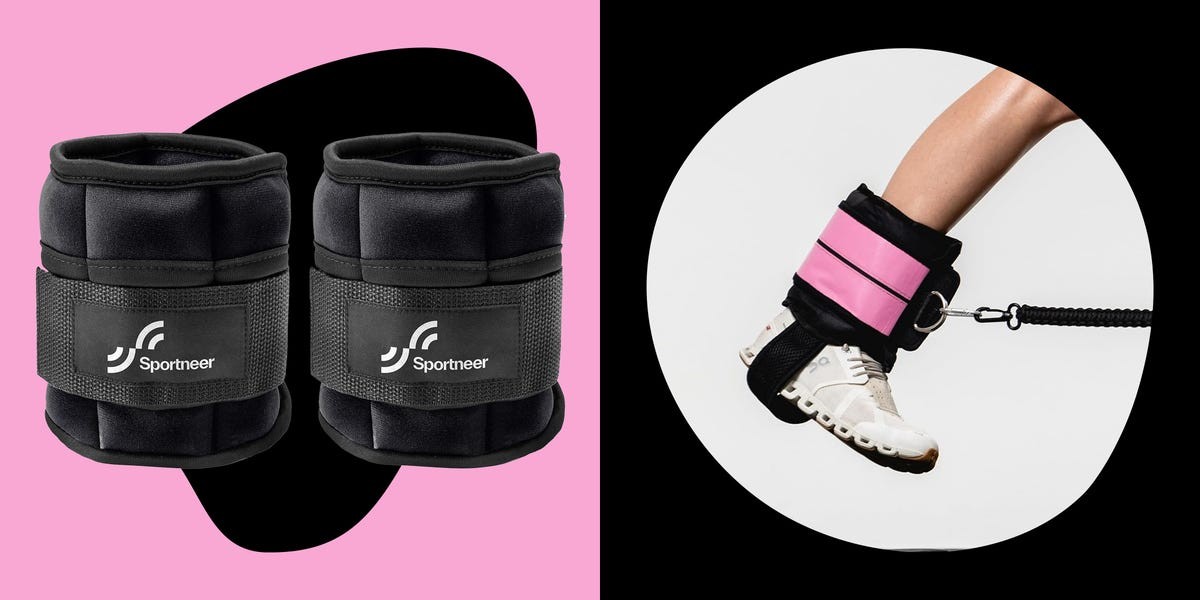
Ankle weights are a simple yet effective tool for enhancing lower-body workouts. Personal trainers recommend them to add resistance to exercises like leg raises, fire hydrants, and calf raises. This can improve muscle endurance, bone density, and even provide a light cardiovascular challenge when used correctly.
Why Ankle Weights Work
The key benefit of ankle weights lies in their ability to increase the demand on your muscles during isolated movements. As Albert Matheny, co-founder of SoHo Strength Lab, explains, they’re ideal for exercises targeting single muscle groups. This focused resistance can lead to more noticeable toning in the glutes, legs, and thighs.
Emily Diers, founder of Body Craft, adds that ankle weights can turn standard exercises into more intense workouts. By increasing resistance, you force your muscles to work harder and longer, improving endurance and potentially boosting cardiovascular benefits if done without rest.
How to Choose the Right Ankle Weights
Selecting the right ankle weights involves considering adjustability, materials, weight range, and budget. Here’s a breakdown:
- Adjustability: Ensure the weights fit securely without cutting off circulation. Look for strong closures such as long velcro, D-rings, or buckles to prevent slippage.
- Materials: Comfort is essential. Choose weights with soft edges, padding, and breathable liners, with neoprene or silicone being good options.
- Weight: Start with 1 to 1.5-pound weights after mastering bodyweight exercises. Gradually increase to 2 or 3 pounds as you gain confidence. Adjustable weights allow for easy load adjustments.
- Budget: Prices range from $10 for basic pairs to $140 for heavier, more adjustable options.
When to Avoid Ankle Weights
While beneficial for sculpting, ankle weights aren’t suited for all workouts. Matheny advises against using them during cardio or high-impact exercises like jumping. The added weight can disrupt natural movement patterns, potentially leading to altered gait mechanics, joint stress, or overuse injuries.
Trainer Insights
Personal trainers emphasize the importance of proper use. Diers recommends adding weight only after mastering bodyweight movements, ensuring form remains correct. Singer highlights that secure, comfortable weights are crucial for consistent use.
“Working with body weight and gravity is enough resistance at first, and then once you feel confident in what the movement is, and what the format is, then you can add weight.” – Emily Diers, CPT
Conclusion
Ankle weights are a valuable addition to lower-body workouts when used strategically. By focusing on isolated exercises and prioritizing proper form, you can maximize their benefits for muscle endurance, toning, and even bone density. However, it’s essential to avoid using them in high-impact or cardio activities to prevent injury and maintain natural movement patterns.