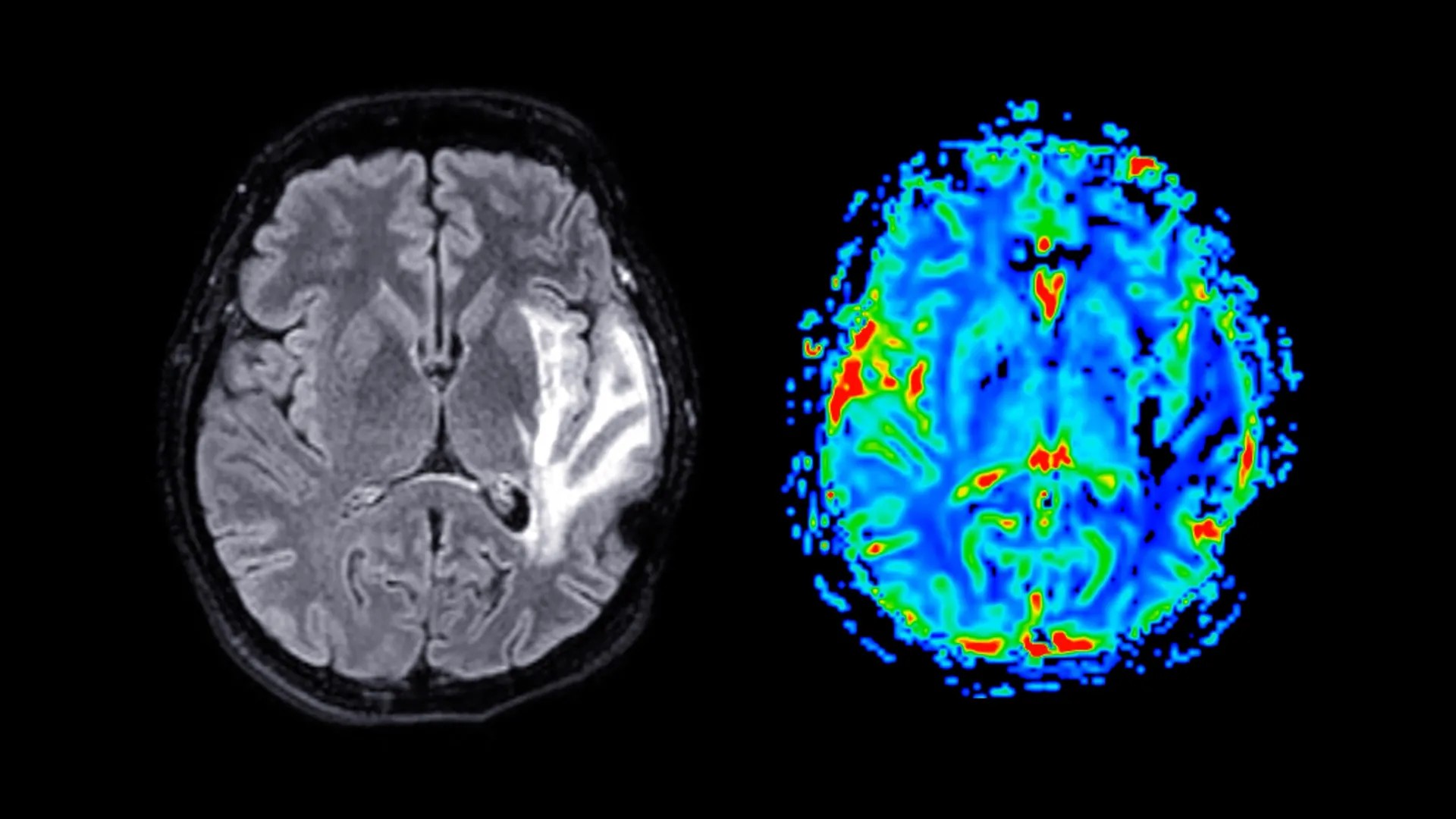
Recent research confirms that menopause is associated with measurable changes in brain structure and cognitive function in women, raising questions about long-term neurological health. A large-scale study leveraging data from the UK Biobank—involving nearly 125,000 participants—reveals that post-menopausal women experience reductions in grey matter volume in key brain regions, even though hormone replacement therapy (HRT) does not appear to prevent these changes. This matters because the affected brain areas are critical for memory, emotional regulation, and decision-making, and could explain why women face a higher risk of dementia than men.
Mental Health and Sleep Disruption
The study found that women transitioning through or past menopause were significantly more likely to seek treatment for anxiety, depression, and sleep disturbances. Those who used HRT did not show improved mental health outcomes compared with those who did not, suggesting that HRT does not prevent these symptoms and may even exacerbate some. This is notable because nearly 15% of women in England are prescribed HRT, often in anticipation of worsening symptoms, but the data suggest it’s not a universal solution. Fatigue levels were also highest among women using HRT, despite no significant differences in total sleep duration.
Cognitive Slowdown, Not Memory Loss
While memory performance remained largely stable across all groups, reaction times slowed in post-menopausal women who did not use HRT. HRT use was associated with slightly slower reaction time decline, suggesting it may offer minor protection against this aspect of cognitive aging. This finding supports the idea that menopause accelerates natural age-related cognitive slowdown, but doesn’t necessarily cause severe memory deficits.
Brain Structure Changes
MRI scans showed that post-menopausal women had reduced grey matter volume in the hippocampus (memory formation), the entorhinal cortex (information processing), and the anterior cingulate cortex (emotional regulation). These regions are also vulnerable in Alzheimer’s disease, leading researchers to speculate that menopause could increase long-term dementia risk in women. Senior author Professor Barbara Sahakian emphasizes that while not conclusive, this finding helps explain why women are diagnosed with dementia at nearly twice the rate of men.
Lifestyle Matters
Researchers recommend prioritizing a healthy lifestyle—exercise, diet, and social activity—to mitigate some of the negative effects of menopause. Mental health support is also crucial, as stigma around discussing symptoms can delay treatment. The key takeaway is that menopause is a complex biological transition with measurable cognitive and emotional consequences, but lifestyle interventions can play a role in minimizing their impact.
This study underscores the need for further research into menopause and HRT effects, as well as proactive mental health support for women during this life stage.