More people are questioning their relationship with alcohol, whether identifying as “sober curious,” “soberish,” or simply seeking moderation. With rising awareness of hangovers, “hangxiety,” and the proven health risks of alcohol consumption, reducing intake is a growing priority. Yet, doing so can be difficult when alcohol is deeply embedded in many social settings.
The Pervasive Role of Alcohol in Modern Life
Alcohol isn’t just a beverage; it’s a cultural fixture. As Leah Young, Clinical Manager at Pathlight Mood & Anxiety Center, points out, “It’s hard to go anywhere without someone offering you a drink.” This normalization extends from sporting events and corporate gatherings to casual nights with friends, even serving as a crutch for both celebration and grief. Hilary Sheinbaum, author of The Dry Challenge, observes that alcohol has become “the main character in social situations”—present at happy hours, first dates, birthday parties, and even breakups. This constant accessibility makes cutting back challenging.
Why It Matters: Beyond Health Risks
The ubiquity of alcohol isn’t accidental. Decades of marketing and cultural tradition have normalized its presence. It provides a social lubricant, easing interactions and sometimes masking underlying discomfort. Trying to shift alcohol from a central role to a background element requires logistical adjustments and personal resilience. The question isn’t just can you still go to the bar with friends, but how will others react when you don’t drink?
Navigating Social Pushback
Deciding not to drink can trigger curiosity—or discomfort—in others. Shani Gardner, LCSW at Soulful Grace Therapy, suggests viewing such reactions as “a them thing, and less of a you thing.” People might project their own anxieties onto your choice. Approaching these situations with kindness is important, but not at the expense of your boundaries.
Hayley Treloar Padovano, PhD at Brown University, cautions against overthinking others’ perceptions. “We fill in the gaps in our head with what we think other people are thinking or feeling about us,” she says. Often, those assumptions are inaccurate.
Maintaining Social Connections Without Alcohol
Reducing alcohol consumption doesn’t mean sacrificing social life. Sheinbaum emphasizes, “You’re still going to be as fun…if not more engaged.” The key is shifting focus from what’s in your hand to the conversation itself. Better sleep, improved digestion, and financial savings are additional benefits.
Six Practical Strategies for Decentering Alcohol
Here are six expert-backed tips to help reduce alcohol consumption:
- Prepare a Response: If you anticipate being offered a drink, rehearse a polite refusal in advance. This builds confidence and minimizes awkwardness. Simple phrases like, “Thank you, but I have a big day tomorrow,” or “I’m craving a Diet Coke instead,” work well.
- Delay Your First Drink: If you typically order a drink upon arrival, wait 30 minutes. This tests your reliance on alcohol and can reveal that you don’t need it to feel comfortable. Treloar Padovano explains that anxiety will plateau; it doesn’t keep rising indefinitely.
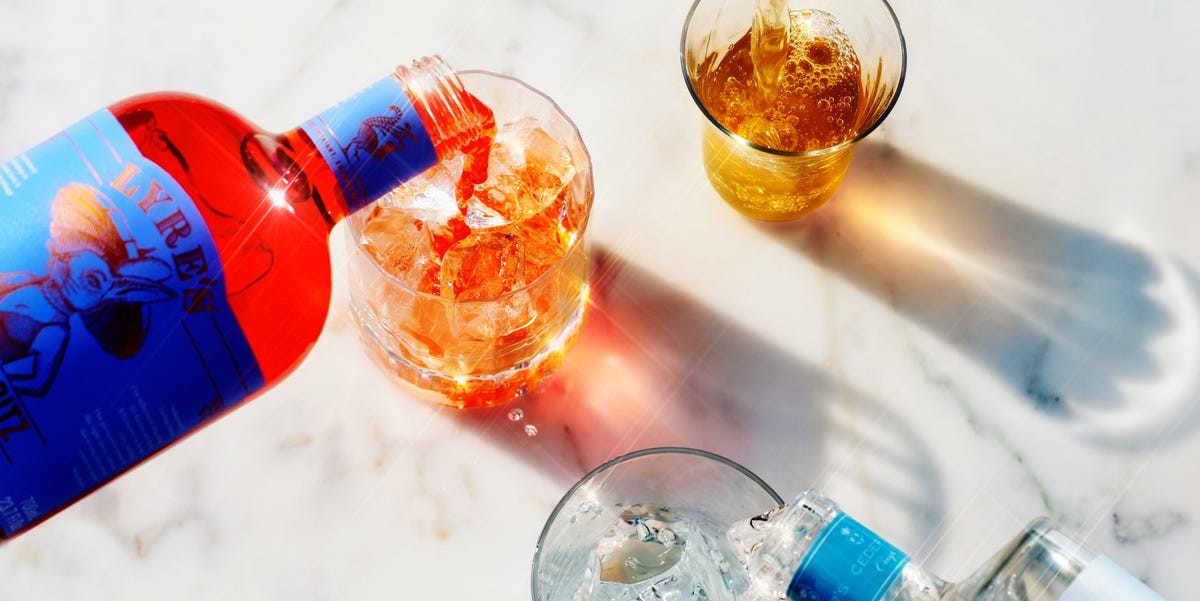
- Take the Initiative: Set the tone by ordering a mocktail, lemonade, or Shirley Temple. Others may follow suit. Hosting events where alcohol isn’t central (game nights, pottery classes) further shifts the focus.
- Communicate Your Intentions: Share your goals with trusted friends and explain what support you need. Transparency fosters understanding and reduces pressure.
- Find Alternative Calming Mechanisms: If you use alcohol to manage nerves, explore healthier alternatives. Playlists, meditation, or deep breathing exercises can provide similar relief.
- Consider a Dry Challenge: A short-term abstinence period (Dry January, Sober October) can disrupt habits and demonstrate long-term benefits. Sheinbaum notes that challenges can transform perspectives on alcohol’s impact.
Cutting back on alcohol isn’t about deprivation; it’s about conscious choice. By implementing these strategies, you can reclaim control over your social life and well-being, one drink at a time.