


Personal care is the interface between hygiene and aesthetics. You do your best. You wash. You condition. You try to look put together. But sometimes biology has other plans. Dandruff still occurs.
It doesn’t care about your routine. It’s caused by environmental factors, poor diet, or just plain old stress. Although it often appears during adolescence, it does not disappear by adulthood. It lingers. It itches. It flakes.
Forget strong shampoos for a moment. Nature has calmer and gentler answers. Here’s how you can solve the problem with plants instead of potions.
1. The soothing power of aloe vera
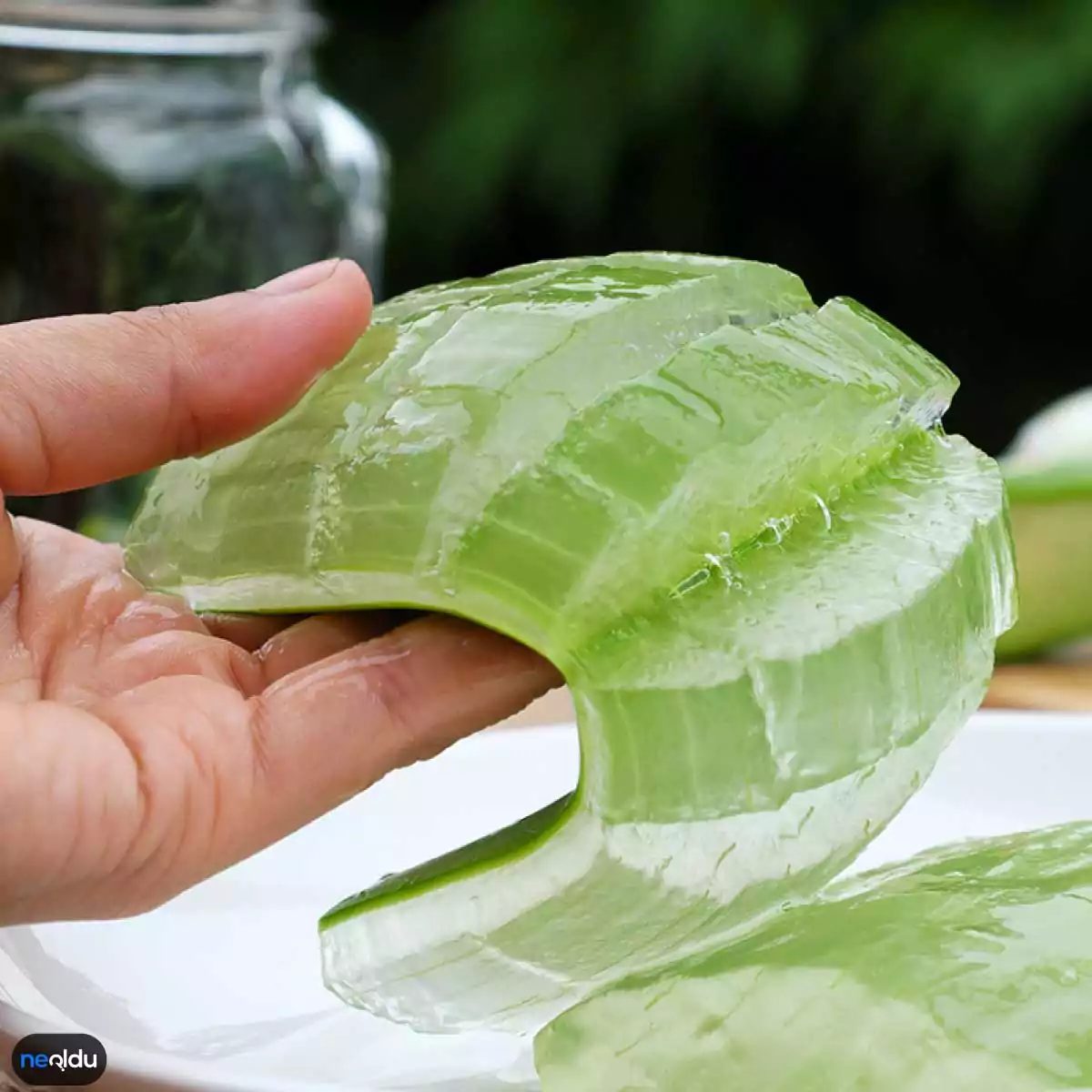
Start with the plant gel itself. Aloe Vera does not only help against sunburn. It’s a scalp saver.
The compound is cooling. It reduces inflammation. Applying fresh gel directly to the scalp relieves itching. It also helps to balance the pH of the skin. A balanced scalp sheds less.
“Aloe Vera relieves inflammation and moisturizes the scalp without stripping it of its natural oils.”
How to use it:
– Remove the clear gel from the fresh leaf.
– Gently massage into the scalp.
– Leave it on for 15 minutes.
– Rinse with cold water.
No strong smells. No synthetic fragrances. Simply cool relief for a stressed scalp.

Dry scalp is often the cause of dandruff. It’s not just about itching. It’s about an barrier that’s compromised. Aloe vera addresses this directly. It moisturizes the scalp. It calms the irritation. And it strengthens the hair follicle from the inside out.
Here is a practical approach to aloe vera for dandruff :
- Apply fresh aloe gel directly to the scalp.
- Massage gently before showering.
- Let it rest for about 10 minutes.
- Rinse thoroughly.
Using it in conjunction with a moisturizing shampoo can improve results. The goal is to reduce breakage and hair loss and keep the skin flexible. But aloe is just the beginning.
The role of apple cider vinegar
Once you’ve soothed the dryness, you need to take care of the balance. Your scalp has a natural pH value. If this balance is upset, the yeast can overgrow. This leads to flakes.
Apple cider vinegar works differently than aloe. It doesn’t just add moisture. It restores acidity. A mildly acidic scalp fights the fungi that cause stubborn dandruff.
The method is simple, but requires care:
– Dilute the vinegar. Never use it directly.
– Mix one part vinegar to three parts water.
– Pour it into your hair after washing.
– Let it rest for a few minutes.
– Rinse it off.
The smell disappears quickly when the hair dries. The benefit remains. You are resetting the environment of the scalp. Dryness is one thing. Another problem is fungal overgrowth. A two-step strategy is needed to treat both. Aloe moisturizes. Vinegar regulates the pH value.
This combination targets the most common triggers. It is not a miracle cure for severe medical conditions. But when there is seasonal dryness or mild flaking, the game changes. You stop fighting the symptoms. You start by repairing the skin.
What happens if the flakes persist despite these efforts? Then you look deeper. Maybe it’s stress. Maybe it’s the diet. Or maybe it’s something that needs a dermatologist’s attention.

Apple cider vinegar is a household staple, but its benefits extend far beyond the salad bar. It is known for its antibacterial properties and is surprisingly effective in reducing dandruff on the scalp and balancing the pH of the hair. If you’re looking for natural ways to fight dandruff, this simple rinse can be a game changer.
Mix one part apple cider vinegar with two parts water. Apply the solution directly to the scalp and massage gently. Leave it on for about 20 minutes before rinsing thoroughly with water. You can incorporate this into your routine regularly, preferably after every shower. The acidity helps soothe irritation and remove build-up without stripping your hair of its natural oils.
The power of tea tree oil
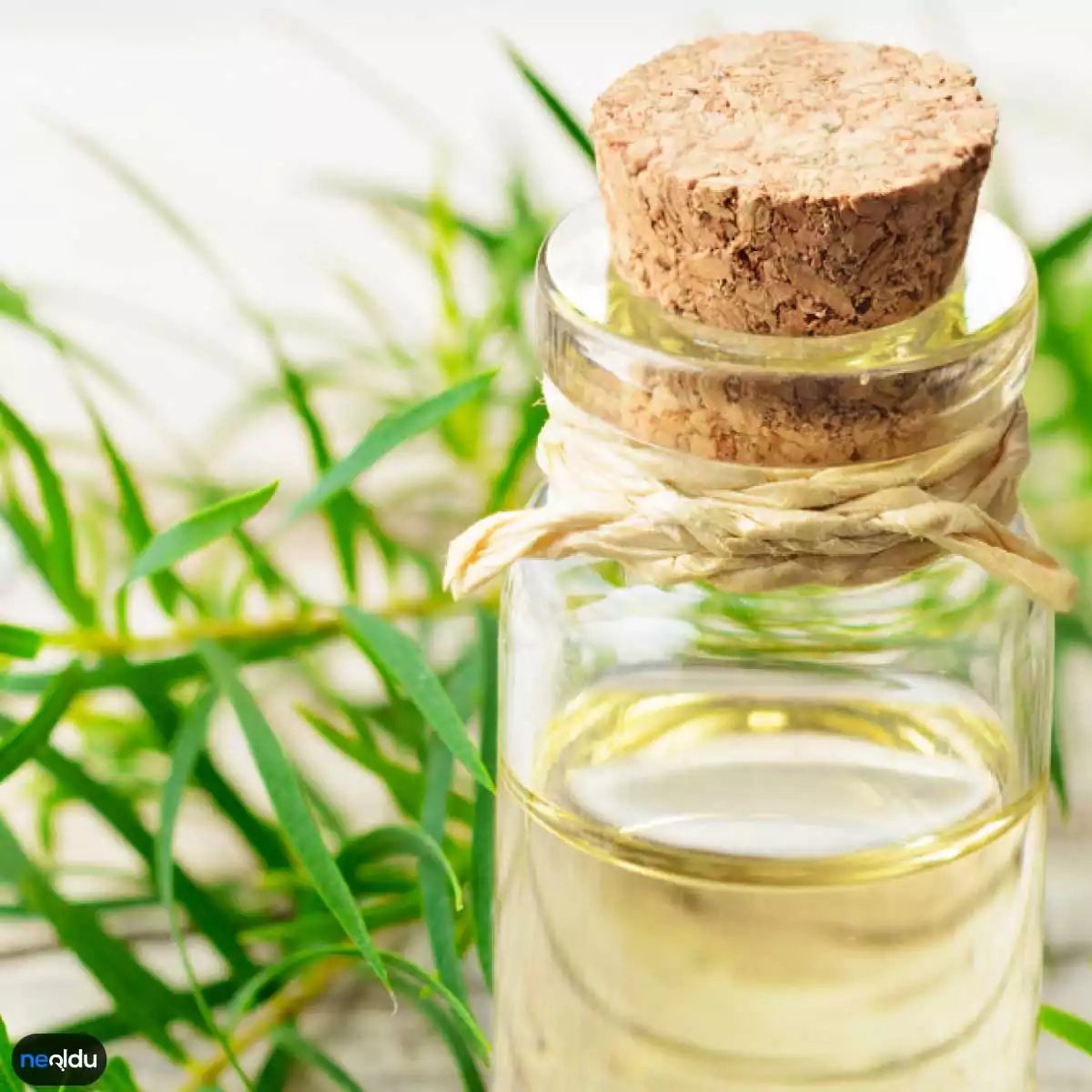
If apple cider vinegar brings the pH balance under control, tea tree oil goes after the root cause. This essential oil is known for its powerful antifungal and antiseptic properties. Dandruff is often caused by a yeast-like fungus called Malassezia, which feeds on scalp oils and causes excessive cell turnover. Tea tree oil interferes with this process and reduces inflammation and itching.
Because it is potent, never apply tea tree oil directly to your skin. Instead, mix a few drops into your regular shampoo or a carrier oil like coconut or jojoba oil. Rub it into your scalp, leave it on for a few minutes and then wash it off. For many people, this natural approach significantly reduces the severity of dandruff. It’s not an instant solution, but with regular use, the scalp environment becomes less hospitable to the microbes that cause dandruff.
4. Lavender oil
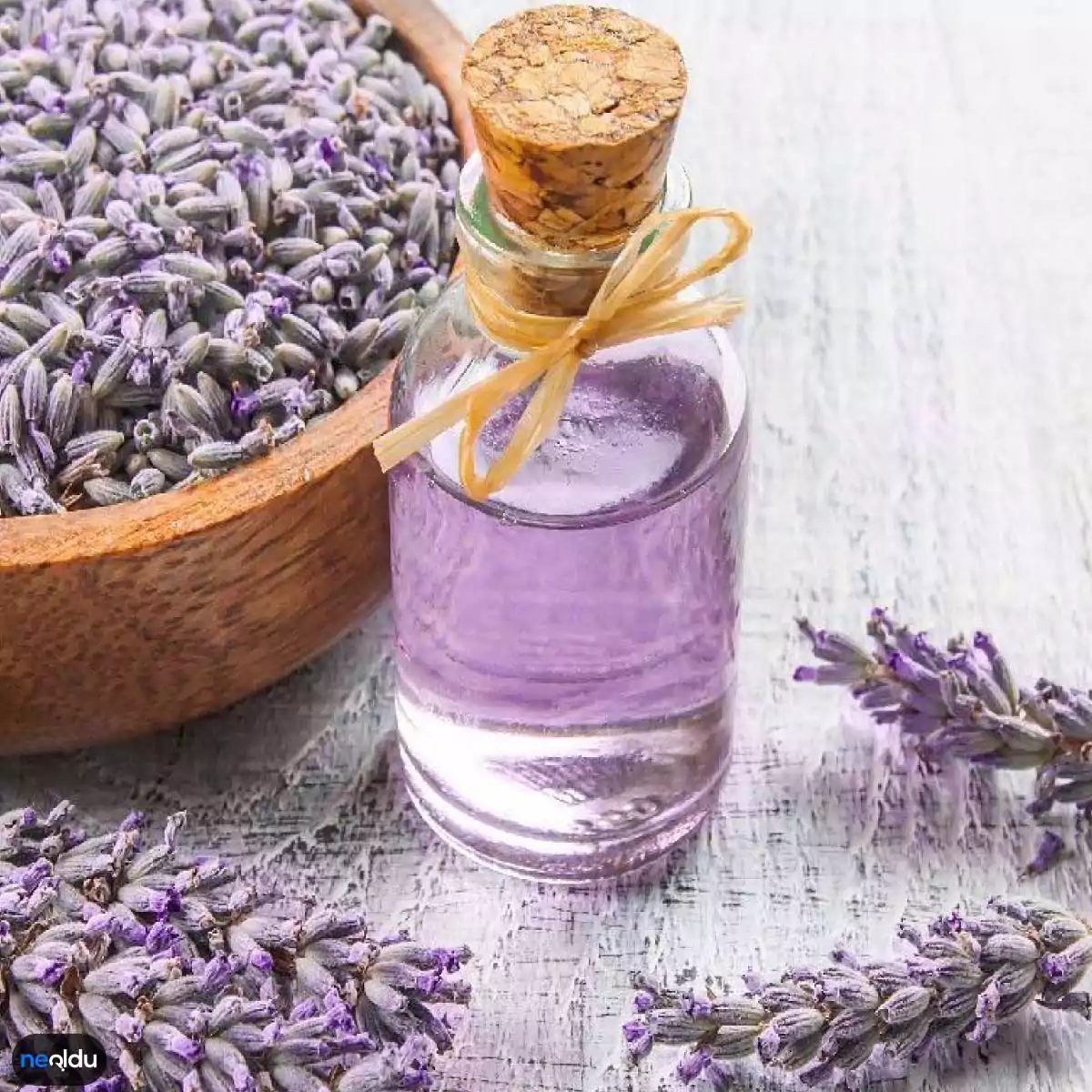
If tea tree is a harsh, clinical antiseptic, lavender is a soothing counterbalance. It doesn’t just smell good – it actually soothes irritation. For those who suffer from scalp inflammation or dryness, Lavender Oil offers a gentle alternative to harsher treatments.
The mechanism is straightforward. Its antimicrobial properties help maintain a healthy scalp environment without the irritation caused by some essential oils. It also promotes relaxation, which is more important than you think. Stress is a silent killer of hair growth, so a soothing scent during your routine can’t hurt.
Use it in the same way as tea tree oil. Dilute it in a carrier oil such as jojoba or argan oil before applying directly to the scalp. It’s all about the ratio – aim for about three to five drops of lavender per ounce of carrier oil. Too much and you can sensitize your skin. Too little and you won’t benefit.
You can also mix a few drops into your shampoo. Not a whole bottle’s worth. Just enough to give the product its benefits. Wash as usual. Let the foam do its job. The lingering scent is a bonus, not the main event.
Does it replace drug treatment for serious diseases? No. But for daily maintenance, it is a quiet and efficient instrument. Especially if you prefer things that smell more like a spa than a drugstore.
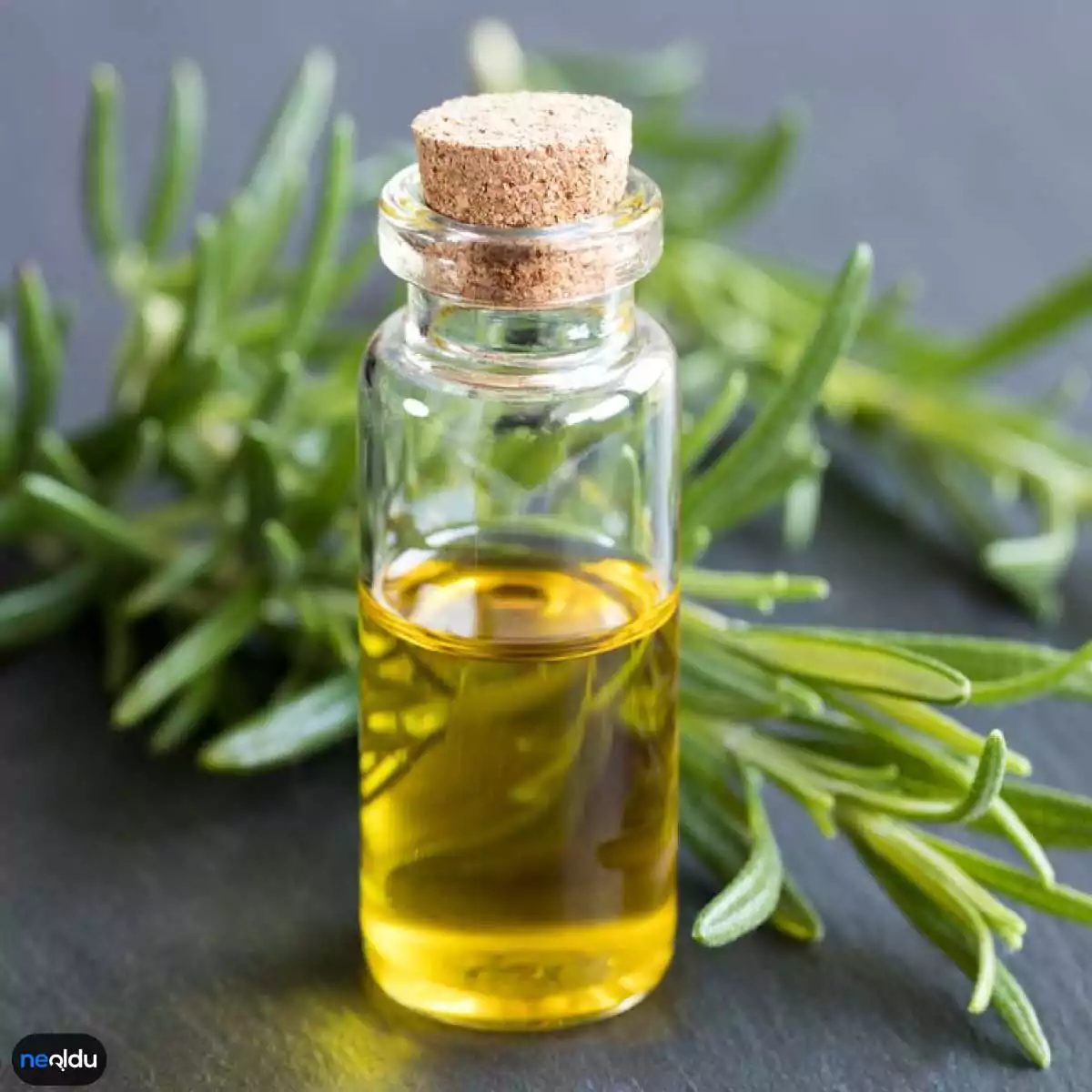
Rosemary oil is the unsung hero of the scalp. It’s not just about the scent, although herbal freshness is nice. It’s about what’s going on beneath the surface. Studies show that it can stimulate blood circulation in the scalp. Better blood circulation means more nutrients reach the hair follicles. In this way, rosemary oil for hair growth, becomes a credible candidate in the field of natural hair care.
Apply directly? No. Never. That’s a recipe for irritation. Dilute it. Mix a few drops with a carrier oil such as jojoba or coconut. Rub it into the roots. Leave it on. Then wash off. Consistency is important here. You won’t see results overnight. But within weeks, a change in density and texture will become noticeable.
6. cedarwood oil
Cedarwood oil works differently. It targets the environment of the scalp itself. It has anti-inflammatory properties. It helps to balance oil production. If your scalp is too oily or stubbornly dry, cedarwood can help regulate this. It is also antifungal. This means it fights the microbes that cause dandruff and itching.
Think of it as a reset button for a troubled scalp. Mix with neutral oil. Apply before going to bed. Let it work while you sleep. Wake up with a cleaner and calmer scalp. Hair growing from this soil is healthier. Stronger. Less prone to breakage.
7. Tea tree oil
Tea tree oil is aggressive. Use it respectfully. It is powerful against dandruff and acne on the scalp. Its antimicrobial properties are well documented. It removes deposits. It reduces inflammation. But it is strong. Too strong and you’ll burn your scalp.
Dilution is not negotiable. One drop in a tablespoon of carrier oil is a good starting point. Patch test first. Apply a small amount behind the ear. Wait 24 hours. If there is no redness or itching, you can safely proceed. Use it twice a week. Not every day. Daily use removes natural oils from the scalp. Balance is key. Tea tree oil cleanses. The carrier oil restores. They work together.
Rosemary oil is a quiet powerhouse for scalp health. It fights against the imbalance of fungi and bacteria that often cause dandruff. Think of it as a reset button for your scalp environment. Use it effectively, never apply essential oil directly to your skin. Dilute it first. Mix a few drops with a carrier like sesame or jojoba oil. Massage that blend into your roots. The result is a revitalized scalp, where it is difficult for dandruff to settle. However, there is a catch. If you have light or blonde hair, proceed with caution. Rosemary can darken hair pigments over time. A little goes a long way. Less is more.
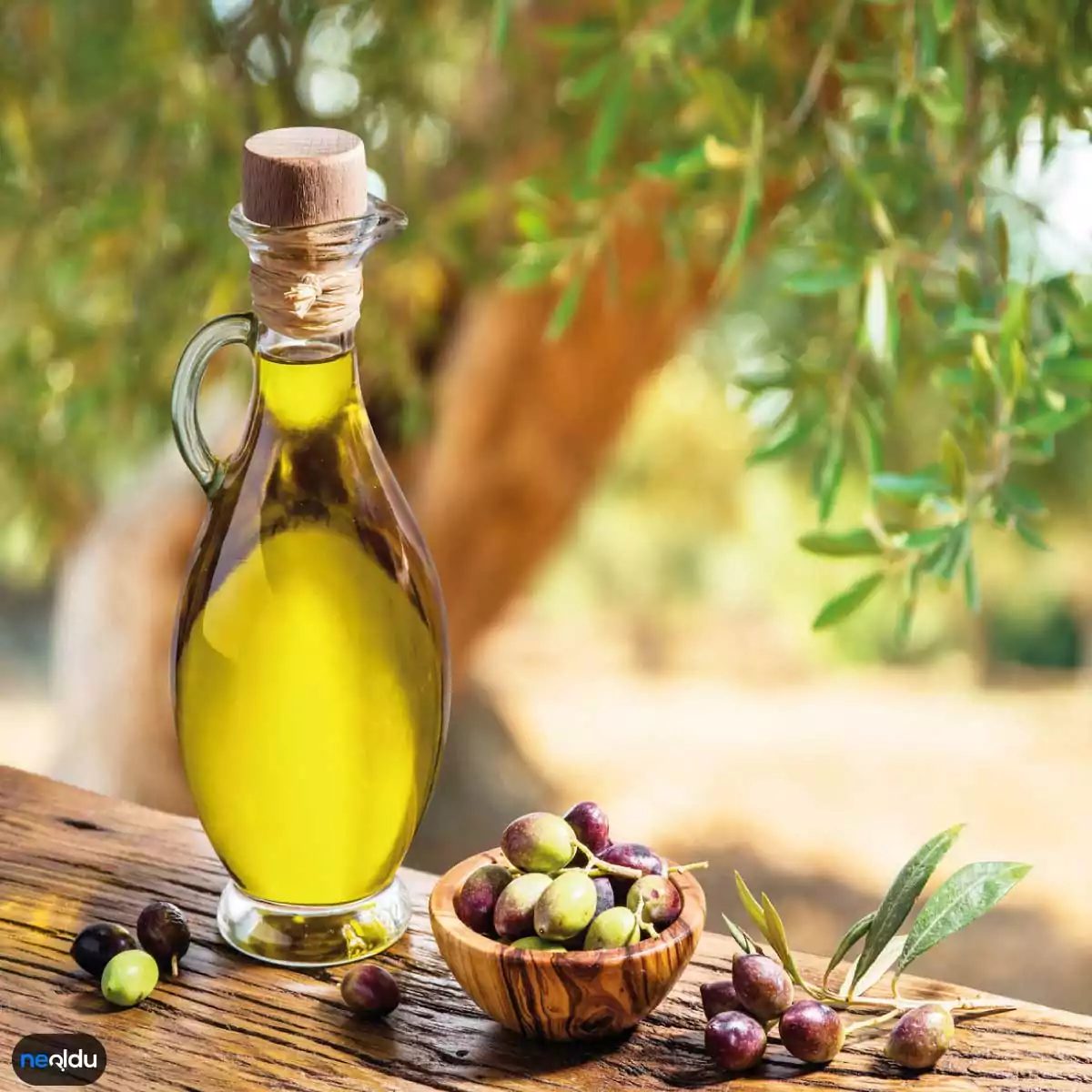
6. Olive oil
Then there’s olive oil. A kitchen staple that also works as a hair saver. It’s not just for salads. This thick, golden liquid penetrates deep into the hair shaft. It restores moisture to strands damaged by heat, color or the elements. Dry, brittle hair absorbs it. Fatty acids act as a seal and locking hydration inside the cuticle. You get shine, softness and hair breakage is significantly reduced.
How does it compare to the other oils we’ve discussed? Rosemary has an effect on the scalp. Olive oil affects the hair itself. They serve different purposes, but work well together. You can use rosemary on the roots and olive oil on the lengths. Or you can keep them separate. It depends on what your hair is calling for that day.
For a quick fix, gently heat a tablespoon of olive oil. Rub it between your palms. Smooth it over the mid-lengths and ends. Avoid the scalp if you are prone to oiliness. Leave on for twenty minutes. Wash it off. Your hair should feel silkier. Lighter. The dullness fades.
It’s an old remedy. But the remedies stick around for a reason. They work. You just need to know which tool to choose.
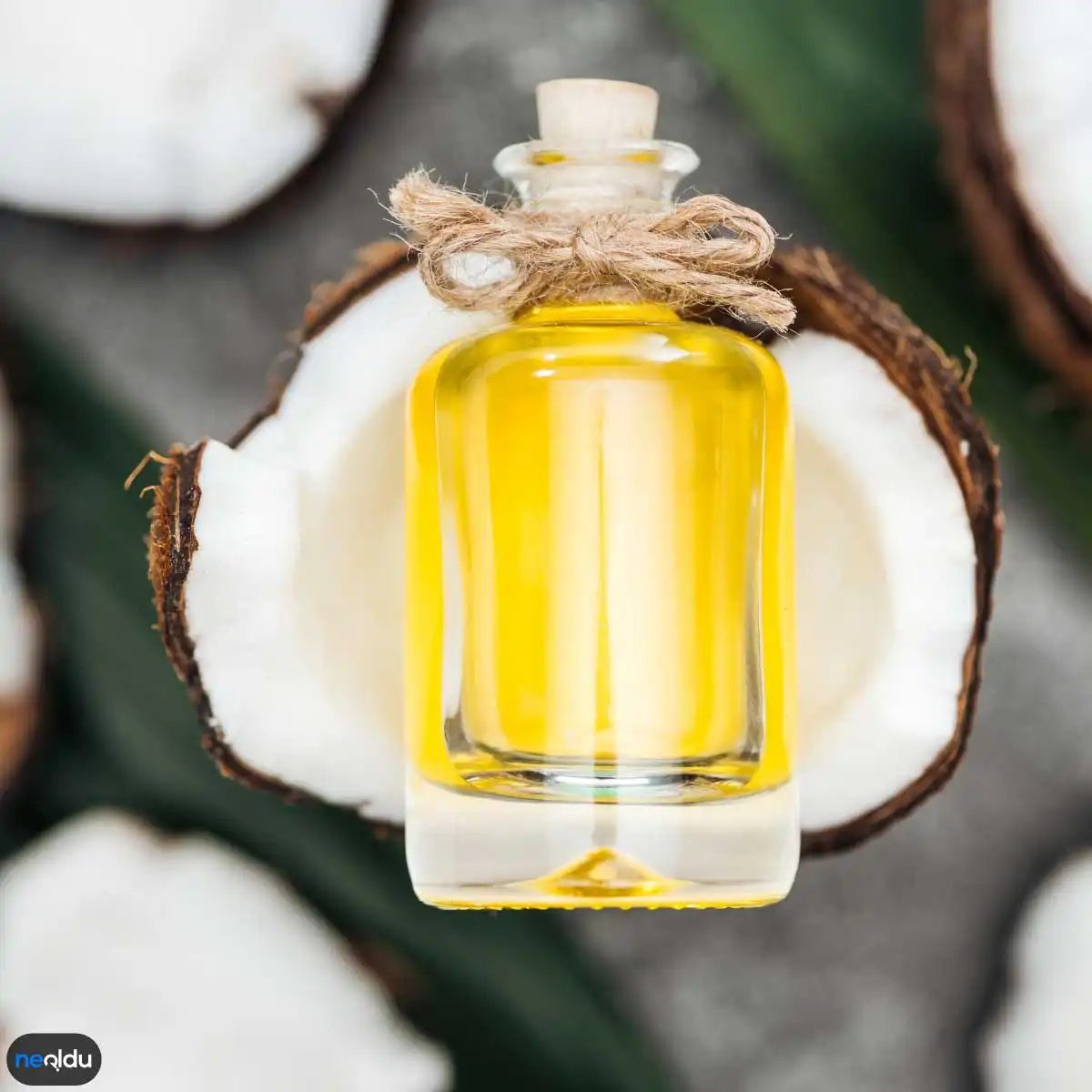
If olive oil didn’t quite cut it for your scalp, coconut oil is the next heavy hitter in the natural arsenal. It’s not just a kitchen staple; it’s a potent antifungal and antibacterial agent that fights the root cause of dandruff – often a yeast-like fungus called Malassezia – rather than just masking the flakes.
Why coconut oil promotes scalp health
Unlike some lighter oils that are sit on top of the hair, coconut oil has a unique molecular structure. It penetrates deep into the hair shaft and scalp. This means that it doesn’t just moisturize the surface; It strengthens hair from the inside and soothing the irritation that leads to itching and flaking. For many women, the question isn’t just which oil to use, but how to use it effectively without turning their hair into a greasy mess.
How to use coconut oil for dandruff relief
The process is simple, though it requires a bit of patience. Start with extra virgin coconut oil. When it’s solid, scoop out a tablespoon and warm it between your palms until it becomes a clear liquid.
- Section your hair. You need to get the oil to the scalp, not just the ends.
- ** Massage it in.** Massage the oil directly into the scalp with your fingertips. Focus on areas that feel particularly dry or itchy. The massage itself stimulate blood flow, which can promote healthier hair growth.
- Soak. Cover your hair with a shower cap or a warm towel. Leave it on for at least 30 minutes, or even overnight if you have the time. Overnight treatments are often more effective for severe dryness, overnight treatments are often more effective.
- Wash it out. This is the tricky part. Coconut oil can be stubborn. You may need to shampoo twice to remove any residue. Use a gentle, sulfate-free shampoo to avoid stripping the moisture you just added.
“Consistency is key. Like with olive oil, use this method once a week for a month to see a significant reduction in flaking.”
Olive Oil vs. Coconut Oil: Which Is Right for You?
It depends on your specific scalp type. Olive oil is heavier and more emollient, making it ideal for very dry, flaky scalps that need intense hydration. Coconut oil is more suitable for dandruff caused by fungus or general scalp imbalance due to its antimicrobial properties. If the dandruff is accompanied by redness or inflammation, coconut oil might make it the superior choice.
Some women even alternate between the two. Use coconut oil during the week to keep fungal growth in check and olive oil on weekends for deep conditioning. There’s no rule saying you have to pick just one. Your scalp will probably thank you for listening to its needs.
8. Aloe Vera
Saline solution for itchy scalp
Coconut oil has helped a lot with the moisture and dandruff, but if the itching persists, salt may be the answer you weren’t expecting. It’s not just for cooking. The table salt acts as a physical exfoliator, removing dead skin cells that clog the follicles and cause a relentless scratching sensation.
Apply a pinch of salt directly to the damp scalp. Massage gently with your fingertips. The friction helps remove build-up without the harsh chemicals found in some anti-dandruff shampoos. Let it rest for a few minutes. Then rinse thoroughly.
Does it burn? Perhaps. Weakened skin protection is sensitive. But for many, this simple, inexpensive remedy restores balance. If your scalp feels rough, skip the salt. If it just itches and flakes, it’s worth a try. It’s about finding what suits your biology, not following a trend.
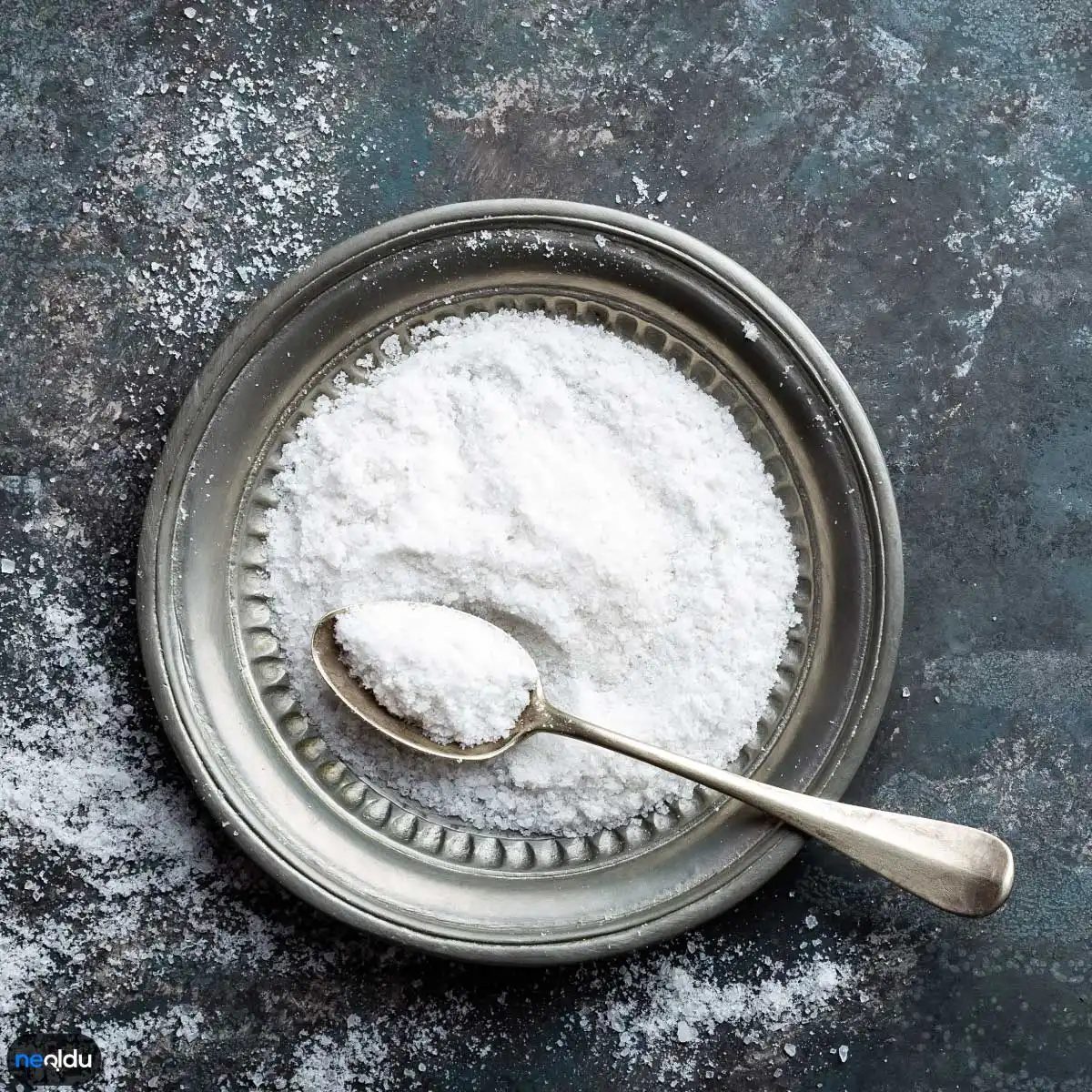
Salt may seem like an unlikely candidate for hair care, but it has long been used as a physical exfoliant. The main benefit is its ability to remove dead skin cells that accumulate on the scalp. As for stubborn flakes, the mechanism is straightforward.
Try applying salt directly to the roots of your hair before reaching for the shampoo bottle. Massage gently into the scalp. This procedure helps loosen and remove debris that often promotes dandruff-causing fungi. It works like a scrub and revitalizes the skin underneath.
After the massage, rinse the hair thoroughly with plenty of water. You want to make sure you don’t any granules remain, as they can be abrasive if left on the hair shaft. By keeping the scalp free of debris, salt creates an environment that is less hospitable to the yeast that causes itchiness and flaking. It’s a simple, inexpensive procedure that can reduce the frequency of flaking episodes.
9. Lemon juice
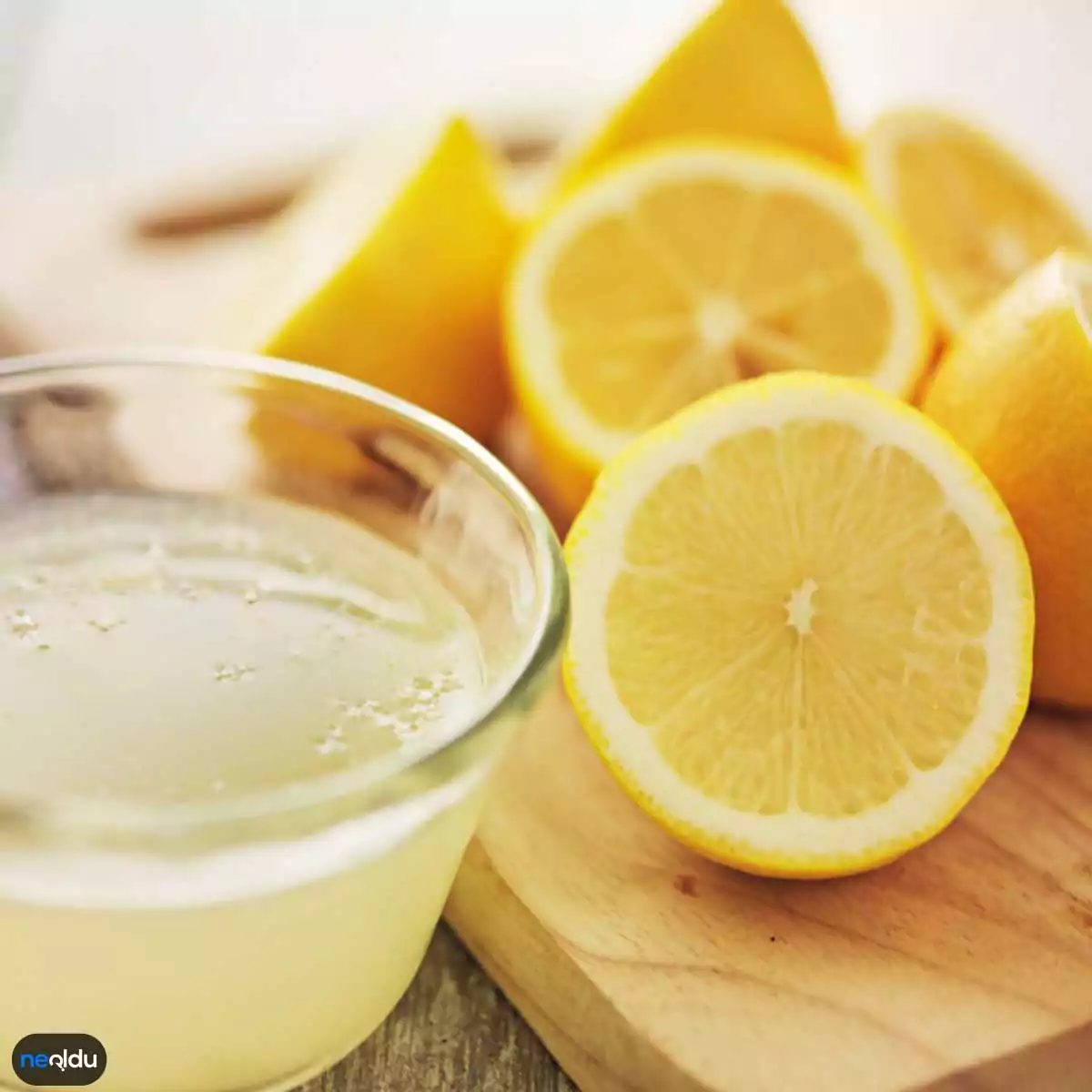
While salt physically removes dead skin cells, lemon juice fights the underlying biological causes. It’s not just styling hack; it is a powerful antifungal. The high acidity of fresh lemon juice helps restore the scalp’s pH balance, which is often disturbed by harsh shampoos or natural oil production.
When the pH of the scalp is balanced, it is much harder for Malassezia, the yeast that causes most dandruff, to flourish. Citric acid also dissolves the sticky residue of dead skin cells, making it easier to wash away.
To use it effectively, you need to dilute the juice. It is usually enough to mix one part fresh lemon juice with two parts water. Apply this solution directly to the scalp after shampooing. Leave on for a few minutes before rinsing off. The smell is strong, but disappears quickly when the hair dries. For some, this natural antifungal approach is the missing link in their routine, providing relief in situations where chemical dandruff shampoos have failed.
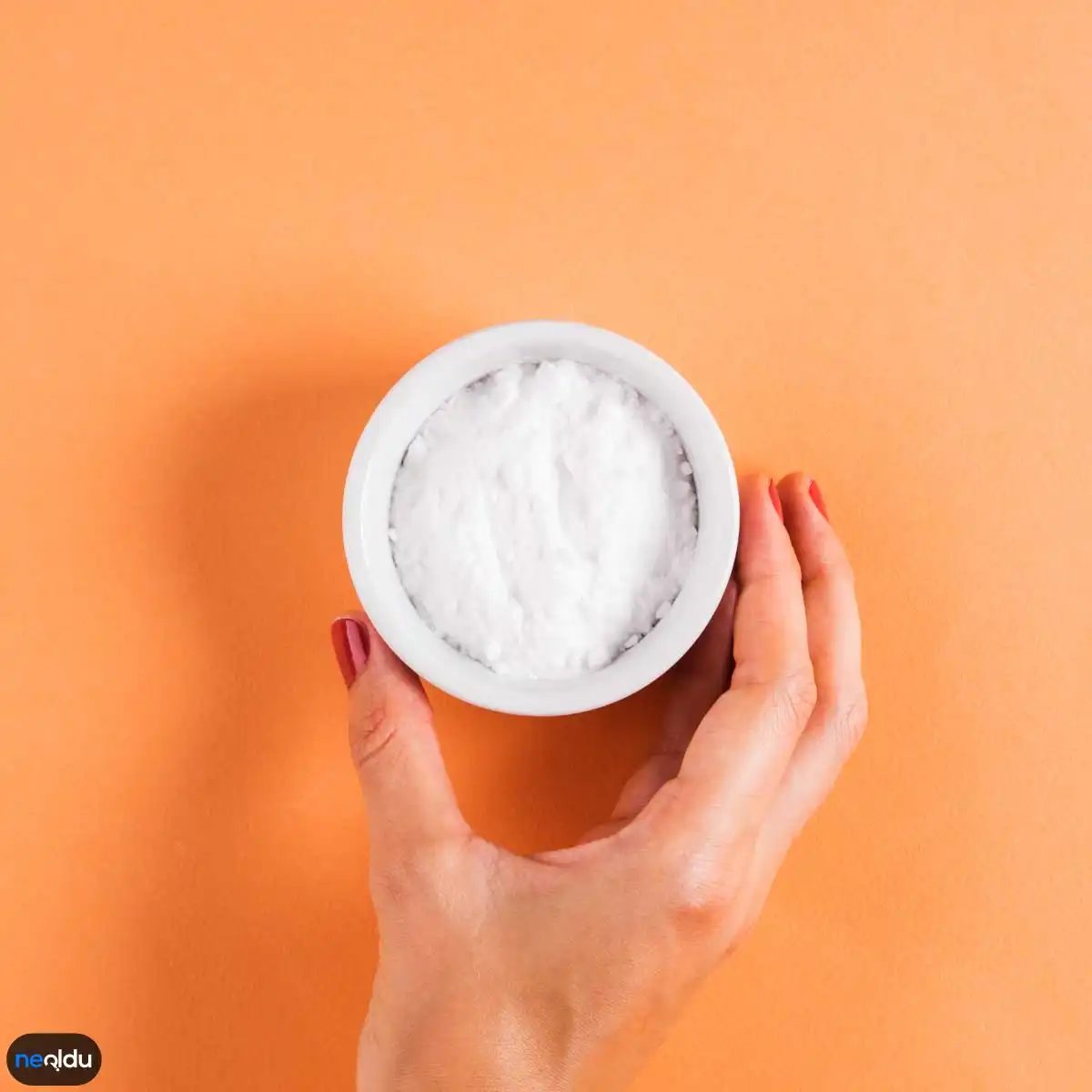
10. Baking Soda or Baking Powder
You probably have a box of baking soda in your pantry right now, and it may be the most affordable greasy roots fix you’ve ever used. It absorbs excess oil and works as a cheap, chemical-free alternative to dry shampoo.
Here’s the catch: if you overdo it, it can dry out.
Baking soda is alkaline, which means it disrupts the scalp’s natural pH balance. That’s why you have to be careful. Use sparingly. Sprinkle a small amount directly onto your roots, massage to distribute the powder and leave on for a minute before brushing thoroughly. If you have colored hair, skip this. Alkalinity can remove paint faster than you’d like.
But what about baking powder? Some sources suggest it as a gentler option because it contains other ingredients that can reduce hardness. Truth? It’s definitely not a perfect replacement. Baking powder is less effective at oil absorption because it is not pure sodium bicarbonate. You need the original for the roughness and absorbency to work.
How to use it without ruining your hair
- Start small. A pinch is enough for most hair types.
- Target the roots. Don’t waste product on the lengths.
- Brush it out. Use a boar bristle brush to break up any residue and stimulate the scalp.
- Aftercare. If your scalp feels tight or itchy afterwards, wash it with a mild, sulfate-free shampoo.
This is not an everyday habit. Consider it a stopgap solution. If you use it more than once a week, your body may produce too much oil due to product build-up or hormonal changes. In this case, you may need to pay attention to your diet or stress level, not just your hair care.
It’s a hack that feels like magic until it doesn’t. The result is dry ends and a confused scalp. Proceed with caution.
Aspirin
If baking soda feels a little too abrasive for your scalp, aspirin offers a gentler, chemical alternative. It’s not about relieving a headache; it’s salicylic acid. This particular compound is a heavy hitter in the anti-dandruff world because it really exfoliates. It breaks up scalp buildup and helps remove dandruff and reduce inflammation.
You don’t need a prescription strength bottle for this. Take a regular uncoated aspirin tablet from your medicine cabinet. Grind until it forms a fine powder. Mix it with regular shampoo – about 5-6 tablets are enough for one wash. Lather, massage into your roots and leave on for a few minutes. This is the window that salicylic acid needs to dissolve dead skin cells. Rinse thoroughly.
It works by targeting the cause of the irritation rather than eliminating the symptoms. For many, this is the “which” question answer when commercial shampoos fail. It’s readily available, affordable and surprisingly effective for stubborn dry, flaky scalps. Be careful not to overdo it, as excessive exfoliation can sometimes lead to even more dryness. Start once a week. See how your scalp reacts. Adjust from there.

12. Mouthwash as a scalp treatment
It sounds counterintuitive to pour mouthwash on your head, but the ingredients often found in antiseptic rinses can actually help tame dandruff. Many popular brands contain cetylpyridinium chloride or alcohol, both of which have antimicrobial properties that may reduce the yeast-like fungus responsible for flaking.
Here is how to do it safely:
- Dilute the mouthwash. Do not apply it straight from the bottle. Mix one part mouthwash with two parts water in a spray bottle.
- Apply to the scalp. After shampooing, spray the solution directly onto your scalp, focusing on areas that tend to be oiliest or most irritated.
- Massage gently. Work it in with your fingertips for a minute to ensure coverage.
- Let it sit. Leave it on for about five minutes. This gives the active ingredients time to work without causing excessive dryness.
- Rinse thoroughly. Wash your hair with cool water to remove any residue.
Using mouthwash on your scalp can be effective for some, but it is also drying. If your scalp feels tight or itchy after treatment, skip it.
This method is a quick hack for those who already have mouthwash at home and want to try a non-prescription option. It is not a cure-all, and results will vary depending on the root cause of your dandruff. If the flakes persist or your scalp becomes red and inflamed, you might be dealing with seborrheic dermatitis or psoriasis rather than simple dry skin. In those cases, over-the-counter shampoos with zinc pyrithione or selenium sulfide are usually more reliable than a rinse meant for fresh breath.
Still, for mild cases, it is a low-cost experiment worth trying. Just be careful not to get it in your eyes. The sting is real, and it is not something you want to experience while trying to soothe an itchy head.
Rinsing your hair with mouthwash may sound strange, but the alcohol and antibacterial agents in traditional mouthwash can kill the bacteria on your scalp. Less bacteria means less irritation and potentially less flaking.
Here’s how to do it without destroying the structure of your hair:
– Wash your hair as usual with shampoo and conditioner.
– Dilute a tablespoon of antiseptic mouthwash in a cup of warm water.
– Pour the mixture on the scalp as a final rinse.
– Leave it on for a minute and then rinse thoroughly with clean water.
Do this once a week.
Over time, it can help reduce dandruff. Just don’t use moisturizing mouthwash, as the creamy varieties can leave your hair feeling weighed down.
13. Garlic
If you’re looking for an effective anti-fungal remedy, it’s hard to beat garlic. It contains allicin, a compound with powerful antimicrobial properties that can fight the yeast that often causes dandruff.
You can apply crushed garlic directly to your scalp, but let’s face it: it’s harsh and hard to wash off. A slightly tastier option is to mix garlic oil with a carrier oil such as coconut or olive oil. Massage the mixture into the scalp, leave it on for 30 minutes and then wash it off. The scent lasts a while. So plan your application accordingly. It is effective, but requires a strong odor tolerance and a good shampoo.
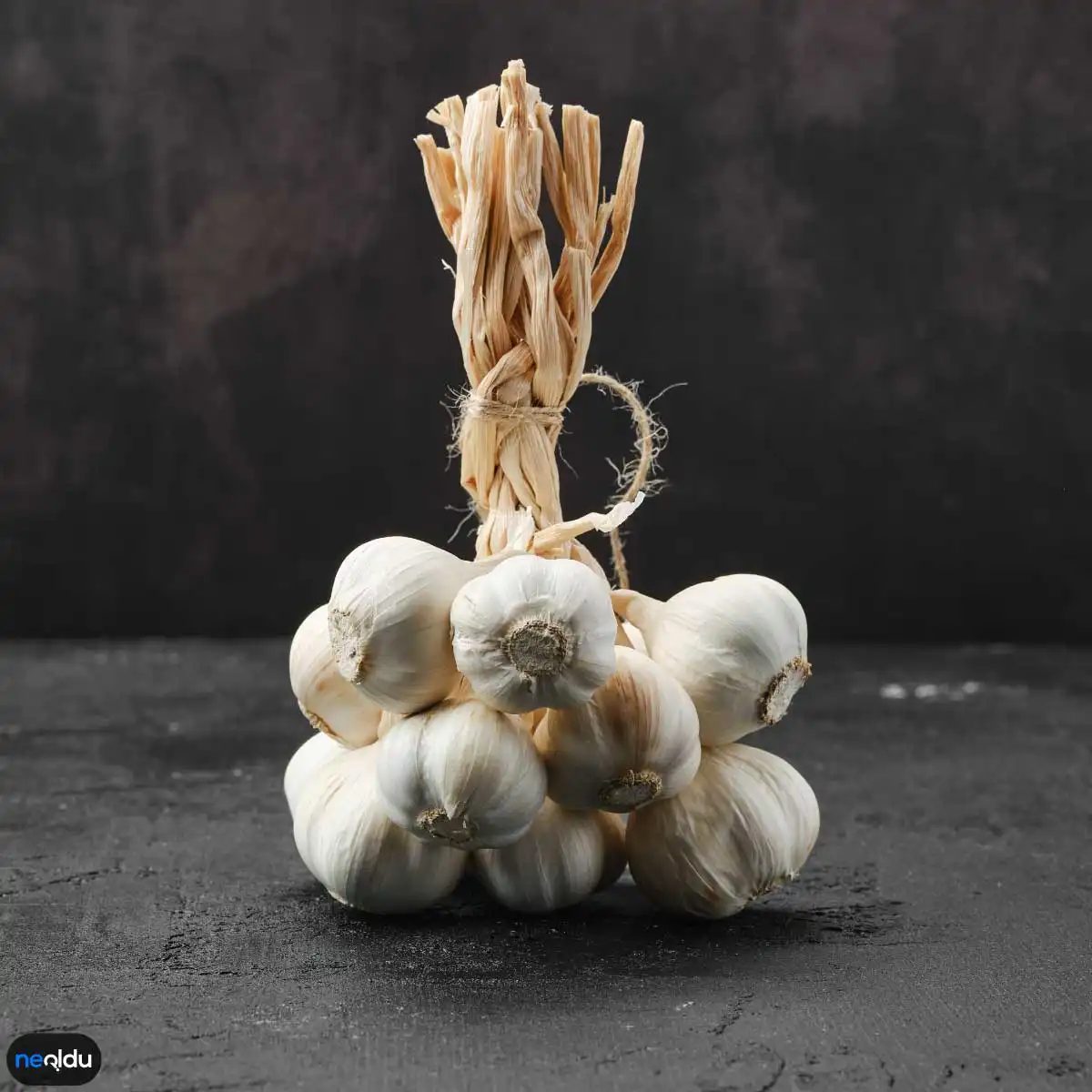
Garlic fights the bacteria living on the scalp and effectively stops dandruff before it takes hold. You can puree it and apply directly to the roots or mix it with honey for a gentler application. The smell? Intense. Then rinse thoroughly.
These herbal remedies are not a panacea, but they work if you stick with them. Consistency is important. However, if the flakes persist or worsen, skip the kitchen remedies. See a dermatologist. Your scalp may need more than just kitchen ingredients.


