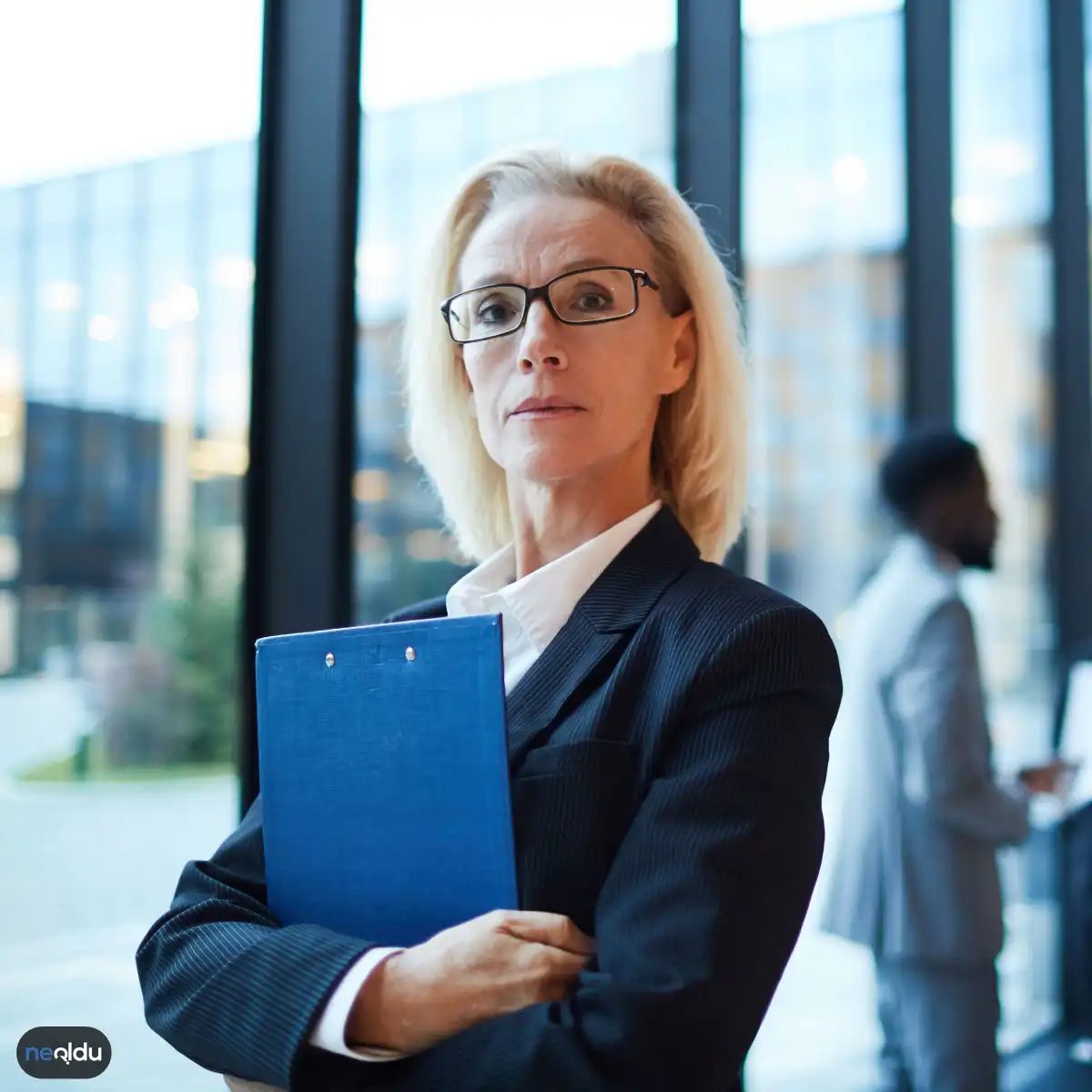
We talk about women in politics more than ever. The conversation is everywhere. Yet the numbers tell a different story. Global female representation in government remains stubbornly low. This isn’t just a gap. It’s a failure of democracy.
Real equality requires women in the room where decisions happen. Not as tokens. Not as afterthoughts. As equal partners in power. When women participate in political processes, the outcomes change. Policies shift. Budgets reallocate. The very definition of “public interest” expands to include voices that were previously ignored.
But why does this matter so much right now? Because the status quo is broken. And because women bring different lived experiences to the table. These experiences shape how we solve problems. They change who gets heard.
The Cost of Exclusion
Think about the last time you voted. Did you feel like your specific concerns were on the agenda? For many women, the answer is no. This isn’t accidental. It’s structural.
When women are absent from legislative bodies, their issues fall through the cracks. Healthcare access. Childcare support. Workplace safety. These aren’t fringe topics. They are foundational to economic stability and social well-being.
“Women’s political participation is not just about fairness. It’s about better governance.”
Ignoring half the population means ignoring half the solution. That’s simple math. But politicians often treat it like a debate. It shouldn’t be.
What Changes When Women Lead?
Look at the data. Countries with higher female parliamentary representation tend to score higher on social welfare indices. They invest more in education. They prioritize health. They pass laws that protect against domestic violence and workplace discrimination.
Why? Because women tend to prioritize collective well-being over individual gain. It’s not a stereotype. It’s a pattern observed across cultures and political systems.
Does this mean all women vote the same way? Absolutely not. Diversity exists within every gender. But the presence of women in leadership roles forces a broader conversation. It challenges the old boys’ network. It breaks the silos.
The Road Ahead
Progress is slow. But it’s happening. Quotas. Campaigns. Grassroots movements. All pushing the needle forward. The goal isn’t just to fill seats. It’s to change the culture of power.
We need more women running for office. We need more women winning. And we need more men supporting them. Not out of pity. Out of necessity.
The question isn’t whether women belong in politics. It’s why they haven’t always had the space to take up that space.
That’s the work we have left to do.
Gerçek şu ki, kadınlar siyasette yeterince konuşamıyor. Bu sadece bir duygu değil, veriyle kanıtlanmış bir durum. Ve bu sessizliğin bedeli ağır. Karar masalarında kadın yoksa, toplumsal cinsiyet eşitliği için yapılan vaatler havada kalır. Haklar eksik kalır. Refah planları yarım kalır. Neden mi? Çünkü deneyimlerimiz, ihtiyaçlarımız ve bakış açılarımız o odaya sığmıyor.
Ülke ülke değişiyor. Bazı yerlerde kadınlar lider koltuklarına oturmuş durumda. Diğerlerinde ise oranlar utandırıcı derecede düşük. Aradaki fark, sadece sayılardan ibaret değil. Bu fark, toplumsal cinsiyet ayrımcılığıyla, kökleşmiş yargılarla ve kapalı kapılar ardında işleyen ağlarla şekilleniyor.
Toplumsal Cinsiyet Ayrımcılığı Ve Yargılar
Siyasete atılan bir kadınla karşılaşmak hala bazı çevrelerde şaşkınlık yaratıyor. Bu algı, kadınların liderliğe layık görülmesini engelliyor. “Kadın siyasetçi” denildiğinde akla gelen stereotipler, yetkinlik yerine cinsiyet ön planda tutuluyor. Önyargılar, en büyük bariyerlerden biri. Bir kadın adayın performansını değerlendirmeden önce, giyim tarzına, aile durumuna veya “sert” olup olmadığına bakılıyor. Bu, adil bir yarışma alanı değil.
Maddi Ve Yapısal Engeller
Sadece zihinlerde değil, cebimizde de sorun var. Siyasi arenaya girmek pahalı. Kampanya masrafları, seyahat giderleri, logistik destek… Bunların çoğu, hâlâ erkek egemen ağlardan beslenen bir sistemde şekilleniyor. Kadınlar bu ağlara erişmekte zorlanıyor. Siyasi networking, çoğu zaman kahvehanelerde, kulüplerde veya kapalı grup toplantılarında gerçekleşiyor. Kadınlar bu ortamlardan dışlanmış hissettiklerinde, doğal olarak kenara çekiliyor.
Ayrıca, yasal engeller de birer kapıdır. Seçimlere katılımı zorlaştıran bürokratik adımlar, kadınlar için daha yüksek bir bariyer oluşturabiliyor. Maddi yetersizlik ise kilit noktada devreye giriyor. Kendi kendini finanse etmek, siyasette kalıcı olmayı imkânsız kılabilir.
Çözüm Yolunda Yapısal Değişiklikler
Sorunu tek başına kadınların “daha fazla çalışmasıyla” çözmek gerçekçi değil. Sistem değişmeli. Eğitim ve bilinçlendirme çalışmaları, bu yargıları kırmada ilk adım. Ama yeterli değil.
Siyasi partilerde kotasız, ancak eşitlik odaklı politikalar uygulanmalı. Kadın kolları sadece sembolik değil, gerçek bir karar alma mekanizmasına dönüştürülmeli. Parti içi demokrasi, kadınların sesini duyur
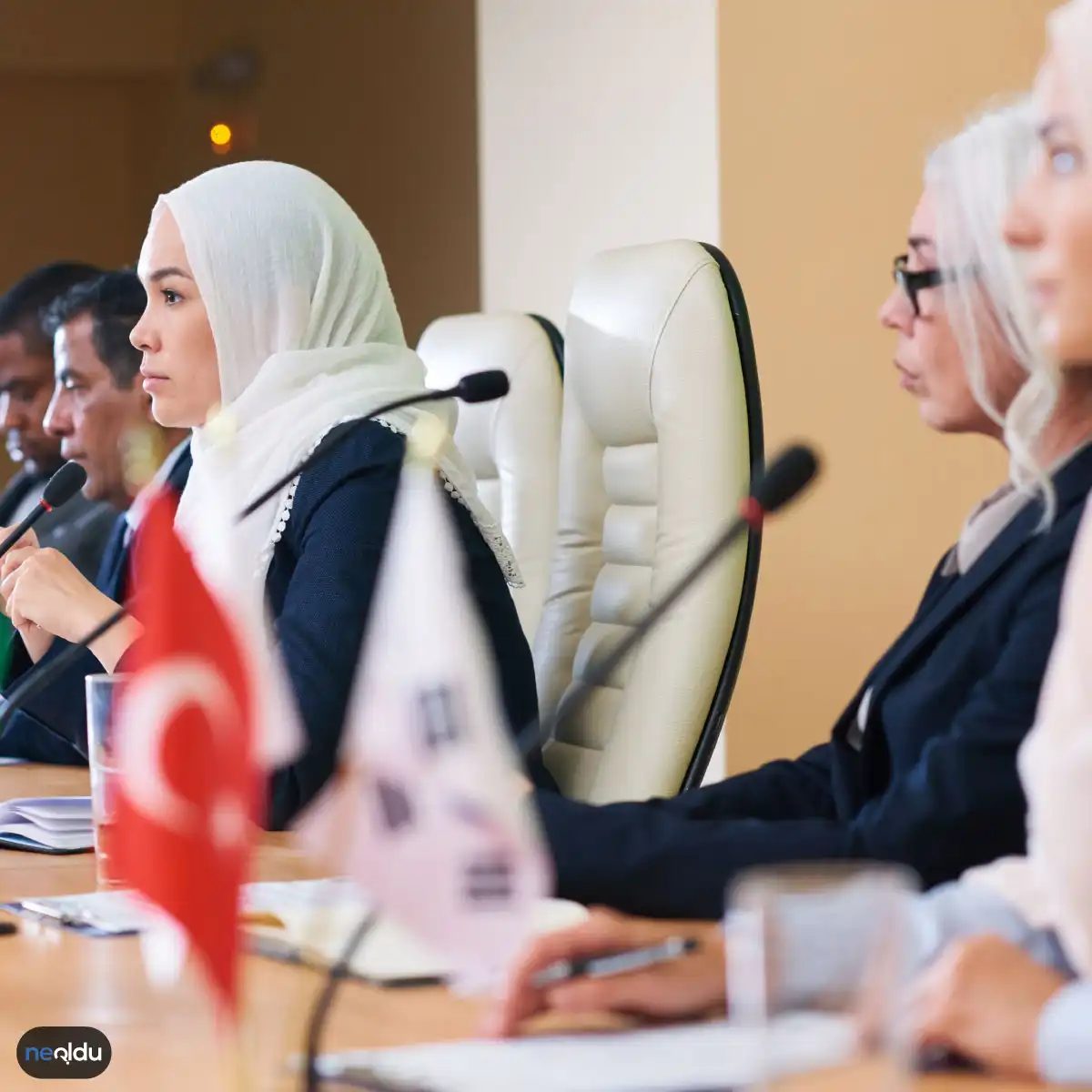
Gerçeği kabul etmek zor. Kadınlar siyasi arenada yeterince yer almıyor. Bu bir veri değil, bir durum. Bazı ülkelerde rakamlar yüksek. Başkalarında ise neredeyse yok sayılmışsın gibi hissettiriyor. Ama bu sadece bir sayı meselesi değil. Bu, kimin masada oturduğuyla ilgili.
Kadınların siyasi temsiliyeti artırmak için sadece “daha fazla kadın istiyoruz” demek yetmez. Yapısal değişiklikler şart. En büyük eksik, toplumsal cinsiyet eşitliği odaklı politikaların benimsenmemesi. Kotasız olsa bile bu eşitlik politikaları uygulanmalı. Siyasi partilerdeki kadın kolları güçlendirilmezse, sesler duyulmaz.
Daha fazla kadın siyasetçi demek, karar alma mekanizmalarına farklı bir perspektif girmek demektir. Kadın bakışı, sorunları farklı görmek için değil, sadece “farklı” olduğu için değil. Kadın hakları gündeme gelmezse, kadın hakları için politika üretilmez. Liderlik potansiyeli geliştirilmezse, süreçlere katılım teşvik edilmez.
Kadınların Siyasi Hayatta Yaptığı Farklılıklar
Peki, kadınlar geldiklerinde ne değişiyor? Sadece cinsiyet oranı mı artıyor, yoksa içerik mi?
Veriler gösteriyor ki kadın siyasetçiler genellikle daha işbirlikçi bir yaklaşım benimsiyor. Bu bir “kadın doğası” argümanı değil. Bu, marjinalize edilmiş grupların hayatta kalma stratejisi olabilir. Ama sonuç aynı: Daha fazla diyalog, daha az çatışma odaklı politika.
1. Sosyal Harcamalara Odaklanma
Kadın temsilciler, sağlık ve eğitim gibi sosyal hizmetlere daha fazla bütçe ayırma eğiliminde. Bu, uzun vadeli toplumsal refah için kritik. Kısa vadede popülist olmayan ama uzun vadede sürdürülebilir adımlar.
2. Şiddet ve Aile Hukuku
Kadın siyasetçiler olmadan, ev içi şiddet veya aile hukuku reformları neredeyse hiç gündeme gelmez. Bu, kadın hakları için sadece bir sembolik zafer değil. Hayat kurtaran bir mekanizma.
3. Şeffaflık ve Hesap Verilebilirlik
Bazı araştırmalar, kadınların bulunduğu parlamenterlerde yolsuzluk iddialarının daha az olduğunu gösteriyor. Bu, kadınların “daha ahlaklı” olduğu anlamına gelmez. Bu, farklı bir sosyalizasyon süreci ve risk algısı.
Toplumsal cinsiyet eşitliği sağlanırsa, adalet de sağlanır. Kadınların siyasi hayatta daha fazla yer alması, bunun sadece bir parçası. Ama kritik olan parça.
Sistem değişmediği sürece, kadınlar “katılabilir” ama “kar
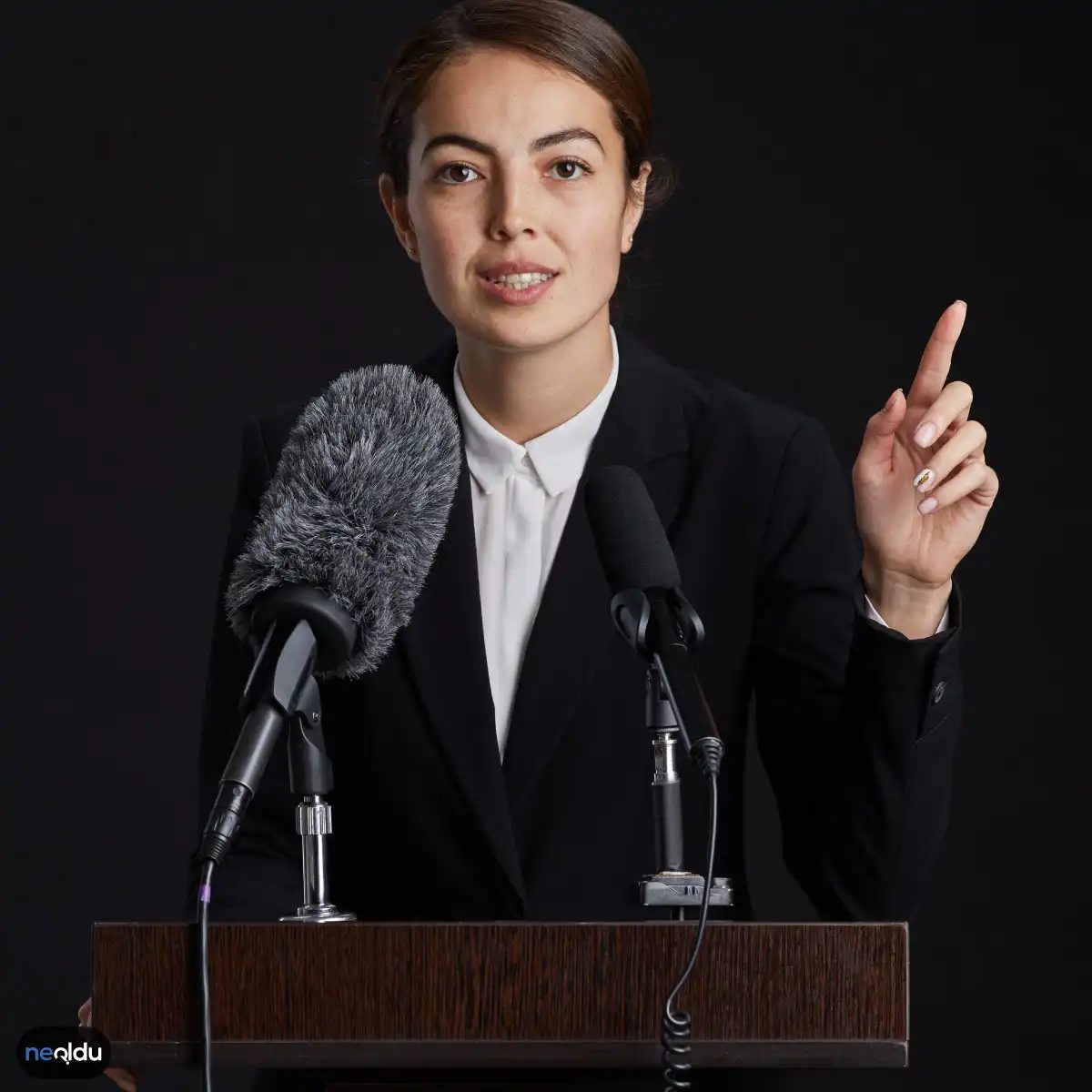
It isn’t just about who sits in the chair. It’s about what gets on the agenda when she does.
Women in politics don’t just show up. They change the texture of the conversation. That’s not a cliché. It’s a structural shift.
When women enter legislative bodies or hold executive power, the focus often pivots. Not always. Not instantly. But the lens widens.
Bringing a Gendered Lens to Policy
Most women politicians carry a specific awareness. They know how social gender roles play out in daily life. They’ve lived them.
So when they look at a budget, a healthcare bill, or an education reform, they see more than numbers. They see impact.
They ask: Who benefits? Who gets left behind?
This perspective forces a re-examination of “neutral” policies. Things that seemed fair on paper often crumble under a gender-equality check.
“Women bring a unique capacity to view political decisions through the lens of social equity.”
It’s not about favoring women. It’s about seeing the whole picture.
Fighting for Core Issues
The fights women lead in politics tend to cluster around specific pillars of equality.
- Women’s rights and bodily autonomy
- Access to education
- Healthcare disparities
- Labor market opportunities
These aren’t niche issues. They are foundational.
When women advocate in these areas, they push for structural change. Not just symbolic gestures.
Their participation strengthens their own power base. And it accelerates the push for broader social equity.
It’s a feedback loop. More women in power leads to more policies that support women’s advancement. Which makes it easier for more women to take power.
Prioritizing Human Rights and the Environment
There’s another layer.
Women in politics often show heightened sensitivity to human rights. Social justice. Environmental protection.
This isn’t innate. It’s cultivated.
Many women candidates campaign on platforms that directly address these concerns. Voters respond.
When women are at the table, these topics move from the margins to the center.
Environmental policy gets a voice. Social safety nets get reinforced. Human rights violations get scrutinized more closely.
It’s a tangible difference.
Why This Matters Now
The presence of women in political spheres is no longer optional. It’s necessary.
For gender equality to be real, not just theoretical, women need seats at the table.
Not as tokens. Not as afterthoughts.
As decision-makers.
Their influence drives focus toward:
– Gender equity
– Human dignity
– Social fairness
– Environmental stewardship
Without their input, these priorities often get deprioritized. Or ignored.
We need more women in politics. Not because it’s nice. But because it works.
It leads to better outcomes. Fairer systems. Stronger communities.
The shift is happening. Slowly. Unevenly. But it’s happening.
And the policies reflect it.
Look at the bills passed. The budgets allocated. The conversations held.
The difference is there.
It’s just a matter of how much longer we wait to see it fully realized.
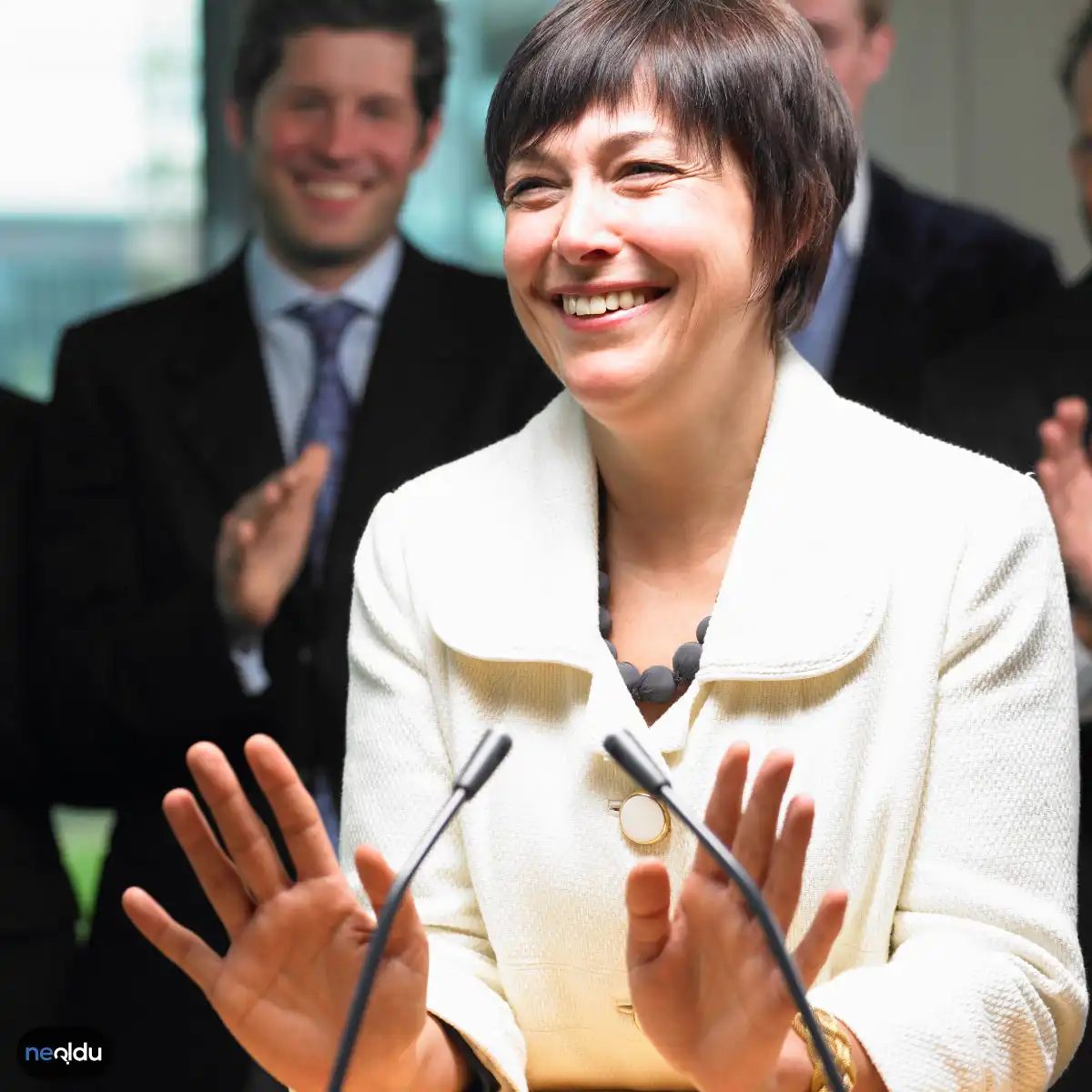
The Quiet Power of Women in Politics
It is not enough to just be present. Women in political leadership do more than take up space. They shift the entire conversation.
When women hold power, the focus changes. It moves from abstract debates to concrete realities. Health care. Education. Family support. These are not “soft” issues. They are the backbone of a functioning society.
“Women’s participation in politics brings a different perspective to political decisions.”
This isn’t about replacing one form of dominance with another. It is about expansion.
Why Representation Matters Beyond Numbers
You hear the statistics often. Women are underrepresented globally. But numbers only tell half the story. The real story is in the policy outcomes.
When women enter the political arena, they challenge the status quo. They ask questions that male-dominated bodies might overlook. They push for laws that protect workers. They fight for equal pay. They highlight gaps in social safety nets.
This is not speculation. It is observed behavior.
Women politicians often act as catalysts. Their presence encourages other women to step forward. It signals that leadership is not a male-only club. This ripple effect is crucial. It builds a pipeline of future leaders.
Changing the Narrative on Leadership
Society still struggles with the image of a leader. We picture a certain look. A certain tone. A certain authority.
Women break this mold.
They lead with empathy. They lead with collaboration. This does not mean they are weak. It means they are different. And that difference is needed.
Consider the campaigns led by women. They often focus on transparency. They prioritize community engagement. They bring attention to gender-based violence. These topics have been ignored for too long.
The Gap is Still Real
Let’s be honest about the current state of affairs.
The progress is uneven. Some countries have made massive strides. Women hold high office. They shape national policy. In other regions, women are still fighting for the right to vote, let alone run for office.
Globally, men still hold the majority of political seats. This imbalance distorts democratic representation. It silences half the population.
But the tide is turning. Slowly.
Women are running for office at higher rates. They are winning. They are serving. And their success stories are becoming more visible.
How to Support the Shift
You don’t need to be a politician to make a difference.
- Vote for diversity. Look for candidates who prioritize gender equality.
- Amplify women’s voices. Share their platforms. Support their campaigns.
- Challenge stereotypes. Call out sexism in everyday conversations.
The goal is simple. A political landscape that reflects the population it serves.
Women in politics are not just participants. They are transformers. They bring new solutions to old problems. They remind us that justice is not a zero-sum game.
The work is far from over. But the path is clearer now.
What happens when we finally let women lead without apology?