


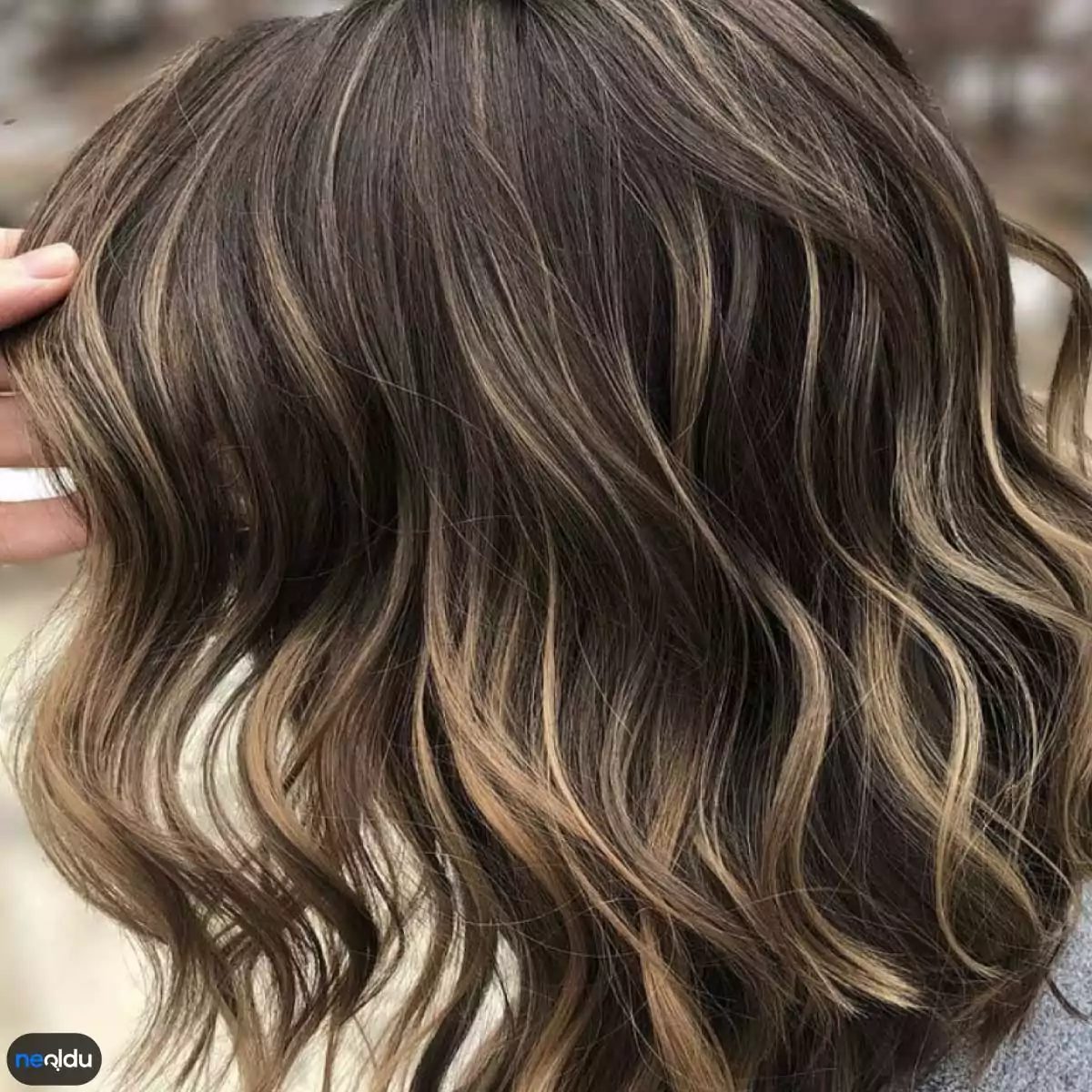
We are constantly twisting our hair. It’s the easiest way to communicate change when nothing else in life feels stable. Sometimes you cut it short because you are sad. Sometimes you bleach it because you’re bored. This season, however, the consensus is clear: the bob is back. And not just any Bob. We’re talking about a textured, intentional cut that’s taken both runways and street styles by storm.
Why now? Maybe it’s the need for control. Maybe it’s just a fresh aesthetic. Whatever the reason, if you’re considering switching, you need to know what you’re getting into. It’s not just about ‘short hair’. It’s a certain shape, a certain maintenance routine and a certain attitude.
Why the bob works when you’re uncomfortable
Depression often gets you out of your old skin. A haircut feels like shedding. It is visible. It’s immediate. Bob offers a clean line that makes a person feel sharper and calmer, even if they are a mess inside.
But let’s be practical. This is not a wash and go cut if you have thick, curly hair that isn’t prepped for it. Bob requires geometry. It’s all about precision. When considering this cut, you need to understand the commitment.
What exactly is a modern bob?
Bob is not one size fits all. This is a myth that you must dispel. “All About Bob” (A line) differs from the blunt cut. A lob (long bob) is different from a chin-length short haircut. Here’s what to look for if you want the trend to suit your face shape:
- Boring Bob: Straight ahead. No layers. This creates a thick line that frames the face. It’s serious. It’s stylish. It works best on straight hair or hair that can be pinned straight.
- The Lob: Hits around the collarbone. This is a forgiving cut. It enables movement. It’s easier to manage when you’re tired of styling.
- A-line: Shorter in the back, longer in the front. This shape elongates the neck. It’s great for rounder faces because it draws the eye down.
Here’s how to decide which bob is right for you
You wouldn’t buy a suit without a tailor. Do not cut your hair without consultation. This is the most critical step. The texture of the hair determines the cut. Thin hair needs blunt edges to look thick. Thick hair needs inner layers to reduce volume without losing shape.
Ask your stylist about your cowlicks. Ask about your hairline. A bob accentuates your jawline and neck. If you’re unsure about either, you need a variation that softens the area. A side part can break the symmetry. Face-framing layers can soften a harsh line.
“The right bob doesn’t just follow the trend. It suits the architecture of the head.”
Maintenance reality check
Here’s the part no one tells you until you sit in the chair. The bob grows fast. Visually, it becomes asymmetrical in two weeks. To maintain its shape, you need to trim it every 4-6 weeks. If you skip them,
Bob haircut and hair types
A bob is not just a cut. It’s the structure. A clear line that requires presence.
Victoria Beckham wore it for years. She made it sharp. Then Rihanna took it. Paris Hilton tried it. Lily Collins. Jessica Alba. Everyone wanted that clean edge.
But does it work for your hair?
That’s a real question.
A classic bob sits at or above the chin. It works best on straight or slightly wavy hair. The weight hangs evenly. The border remains clear.
If your hair is curly? It can still work. But the length changes. Curly hair shrinks as it dries. A bob on curls means a shorter end result than on straight hair. You need a stylist who knows curls, not just scissors.
Fine hair? Bob can turn up the volume. A blunt end makes strands look thicker. If your hair is thinning at the crown, you may need layers underneath. Hidden layers retain their shape without losing density.
Thick, coarse hair? The bob can feel heavy. Too much weight drags the style down. Ask about texturing. A small internal thinning guarantees freedom of movement.
The key is not the surgery itself. It’s maintenance. The bob grows out quickly. The shape disappears quickly. If you hate going to the hairdresser every four weeks, think again.
What’s more important is how it frames your face.
A chin-length bob opens up the neck. A shorter model draws attention to the chin. Longer bobs soften facial features.
You don’t need a celebrity to tell you what’s hot. You need to know how your hair behaves.
Bob is honest. It doesn’t hide. If your hair isn’t cooperating, you’ll notice. If so, it seems effortless.
Which is easier to control? The cut or the upkeep?
Most women pick the cut. Then regret the upkeep.
It’s a trade. One that you do every month.


Bob Saç cut for your of your face
Bob is back in the conversation, and for good reason. It’s not just a trend; it’s a structure. Short enough to feel light, long enough to frame your facial features. Whether your hair is pin-straight or holds a natural wave, this cut will accommodate. Women who love the idea of a low-maintenance style tend to gravitate towards it. That’s cool. It’s stylish. It tends to turn heads without trying too hard.
And let’s talk about styling. By simply blow-drying with a round brush, a basic bob can be transformed into a stylish one. It’s not magic. It’s just the right length and angle doing the work for you. You can get a polished look without having to spending hours of the mirror for hours.
Why a bob works for almost everyone
You may be wondering if this cut is right for you. The answer is usually yes, but it’s the execution that counts. The classic bob is versatile, but it’s not one-size-fits-all. The key is in the customization.
For Round Faces:
A longer bob, often called a “lob,” creates a vertical line. It lengthens the neck and balances the width of the face. Side parts also help break up the symmetry and add height to the crown. Avoid chin-length bobs with blunt bangs. They can make a round face look wider.
For Square Faces:
Soft, textured layers are your friend. A chin-length bob with slight layering around the jawline softens angular facial features. The goal is to offset the strong jaw, not emphasize it. Side-swept bangs can also work wonders here.
For long faces:
You have more flexibility. A shorter bob that hitting right at the jaw or chin provides more width. This creates a more balanced proportion. Blunt cuts work well here because they add horizontal volume. Avoid excessive layers on the sides as they can make your face look even longer.
For oval faces:
You’re the lucky ones. Most bob styles flatter oval faces because the proportions are already balanced. You can try different lengths, bangs and textures. A sleek, straight bob or a tousled, wavy one both look amazing. Just be careful not to over-accessorize. Keep it clean.
How to style a bob for a polished look
Styling a bob should not be complicated. If it takes more than five minutes, you’re doing it wrong.
- Start with damp hair. Apply heat protectant. This is non-negotiable when using hot tools.
- Use a round brush. For a polished look, pull the hair taut under the brush. Add volume by roll the brush upward from the roots.
- Cool Shot. Finish with a cool blast of air. This sets the style and adds shine to the hair.
- Texture spray. If you want an effortless, beachy vibe, add a salt spray before drying. Then rough-dry with your hands.
Where to Go From Here
The bob is a commitment, but manageable. to keep its shape, it needs to be cut regularly every six to eight weeks. If you hesitate, start with a lob. It’s forgiving. It grows out gracefully.
If you’re interested in other short styles, try blunt cut variations.
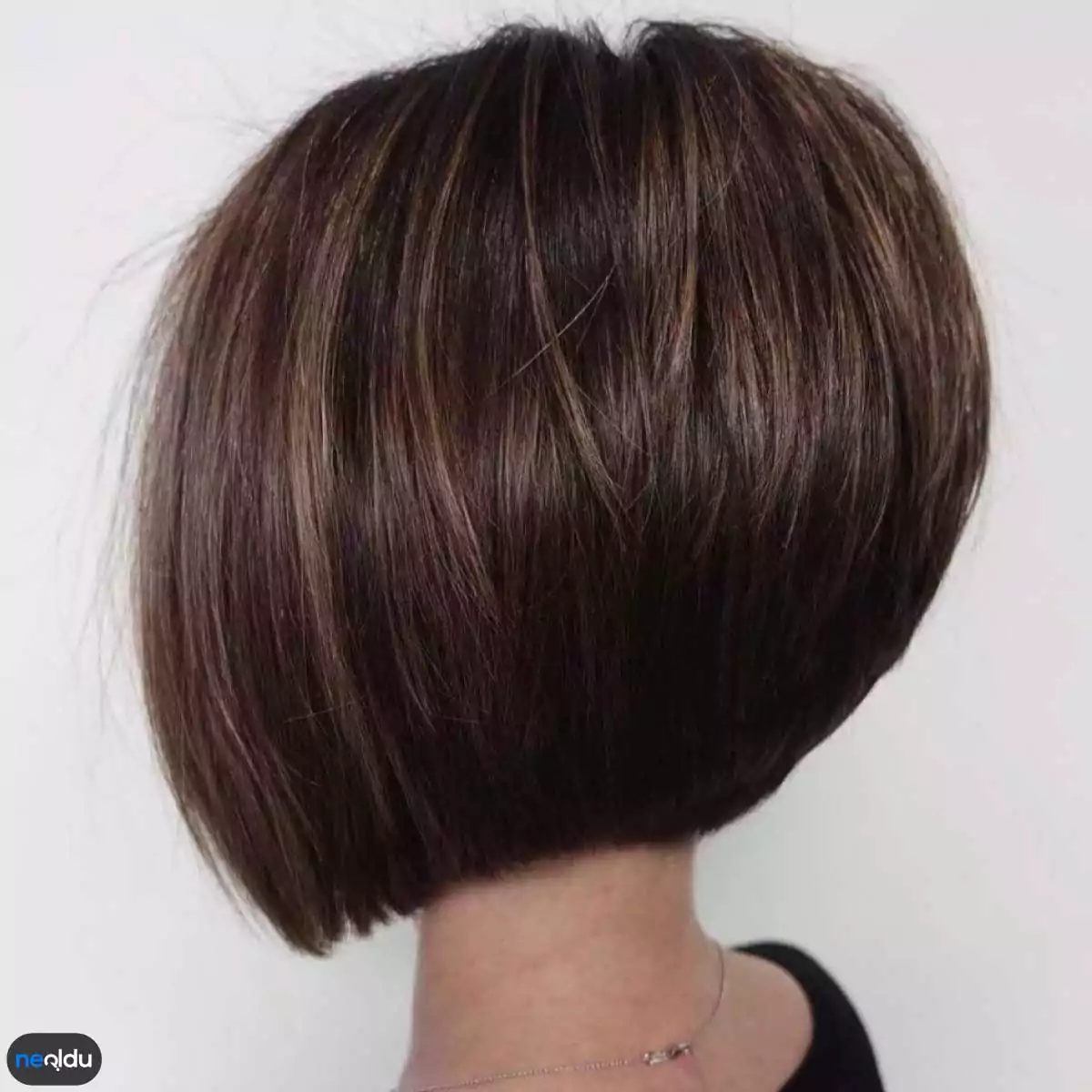
When your hair has a mind of its own, styling mousse is essentially a survival tool. It tames the waves. It brings order to chaos. But let’s be honest about the bob cut for thick strands.
It adds weight. It creates volume. Bob with thick hair looks thicker and heavier. More substantial.
It’s not just aesthetics. It’s geometry. Before you cut off those inches, you need to look in the mirror and ask yourself two tough questions: What is the density of my hair? What face shape do I have? They dictate everything.
Warning for round faces
There is one rule that stands out from all the others. If you have a round face, you should steer clear.
A bob can accentuate the roundness rather than balance it out. It frames the cheeks in a way that may not be flattering to your build. It’s not about insecurity. It’s all about proportions. Some shapes just don’t work with the sharp, clean lines.
Find your match
Not every cut will suit every head. The trick is to match the style to the facial features. You need a model that works with your bone structure, not against it.
“Every face shape has a matching hairstyle that accentuates its natural contours.”
If you’re not sure where to start, look for guides that break down specific pairings. When you understand which style flatters which face type, you’ll save yourself a lot of trouble. It turns a risky gamble into a considered decision.
Think about your texture. Is it fine? Coarse? Wavy? Straight? Now overlay your face shape. The intersection is where your next haircut lives.


